
Simple Tricks to Clean and Descale Your Coffee Maker at Home
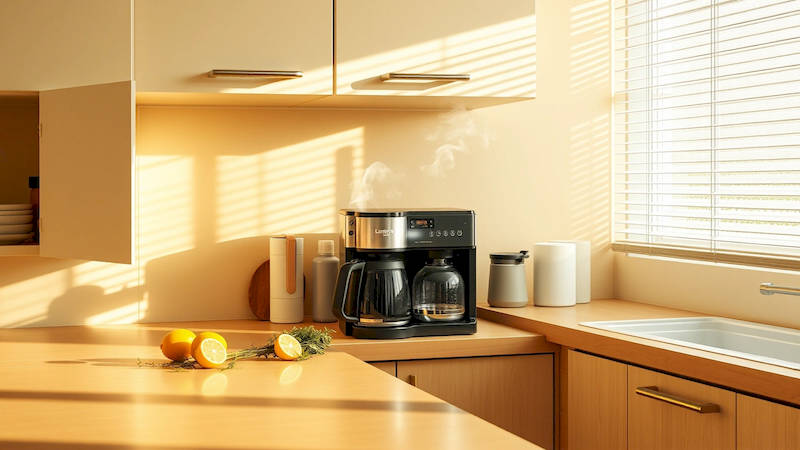
Coffee. For many, it’s not just a beverage, it's a ritual, a necessity, the fuel that powers the day. Yet, amidst the enjoyment of that daily cup, a crucial aspect is often overlooked: the cleanliness of the machine that delivers it. A neglected coffee maker isn't just unhygienic; it actively diminishes the quality of your brew. Mineral buildup from water, along with coffee oils, can impart unpleasant flavors, reduce the machine’s efficiency, and even shorten its lifespan. Maintaining a clean coffee maker isn't a difficult task, but one with significant returns in flavor and longevity.
Beyond taste, regular cleaning is vital for health. Stagnant water and accumulated residue are breeding grounds for mold and bacteria. While not immediately apparent, these microorganisms can contribute to a less-than-pleasant experience and potentially pose health risks, especially for those with compromised immune systems. This article will provide a comprehensive guide to cleaning and descaling your coffee maker at home, ensuring a fresher, healthier and more efficient brewing experience. We'll move beyond the basic instruction manual advice and delve into the "why" behind the cleaning, offering variations for different types of machines and tackling even stubborn buildup.
- Understanding the Enemy: Scale, Oils, and Why Regular Cleaning Matters
- Decoding Your Machine: Different Types, Different Needs
- The Vinegar Solution: A Classic Descaling Method
- Beyond Vinegar: Citric Acid and Commercial Descalers
- Tackling the Extras: Cleaning Beyond the Reservoir
- Preventing Buildup: Proactive Measures for a Longer-Lasting Machine
- Troubleshooting: When Cleaning Doesn't Seem to Help
Understanding the Enemy: Scale, Oils, and Why Regular Cleaning Matters
The primary culprit in coffee maker deterioration is scale – those chalky white deposits you might see around your kettle or in your bathroom. This isn't just aesthetically displeasing; it's calcium carbonate, resulting from mineral deposits in your water. Hard water areas are particularly prone to scaling, but even softer water will eventually leave residue. As scale accumulates inside your coffee maker, it restricts water flow, forces the machine to work harder (and thus, use more energy), and ultimately impacts the heating element. This can lead to slower brewing times, lukewarm coffee, and eventual machine failure. A 2018 study by the Specialty Coffee Association found that even a thin layer of scale can reduce heating efficiency by up to 30%.
Beyond scale, old coffee oils build up over time. These oils, while contributing to coffee’s aroma when fresh, become rancid and impart a bitter, stale taste to subsequent brews. They cling to the internal components of the machine, affecting the overall flavor profile. Think of it like cooking with old, oxidized oil – it just doesn't taste right. While descaling focuses on mineral deposits, regular cleaning addresses these oily residues, guaranteeing a cleaner, brighter taste. Ignoring these issues isn’t simply a matter of diminishing coffee quality; it’s akin to neglecting basic maintenance on any appliance, and can lead to costly repairs or replacements.
Decoding Your Machine: Different Types, Different Needs
Before diving into cleaning methods, it’s crucial to understand your coffee maker. Different types require slightly different approaches. Drip coffee makers are the most common and generally the easiest to clean. Single-serve machines (like Keurig or Nespresso) are susceptible to buildup in their needles and reservoirs. Percolators, while less common now, require meticulous disassembly and cleaning due to their complex internal workings. And for espresso machines, descaling is paramount, alongside backflushing to keep the group head clean.
“Understanding your machine’s specific construction is the first step towards effective cleaning,” says Robert Johnson, a certified appliance repair technician with over 20 years of experience. “Many modern machines have self-cleaning cycles, but these are often not enough to tackle severe buildup. Supplementing with manual cleaning is essential.” Pay attention to your machine’s manual; it will outline recommended cleaning frequencies and any specific precautions. If you’ve misplaced the manual, most manufacturers offer downloadable versions on their websites. Don’t assume all machines are created equal. Utilizing the wrong method can cause damage.
The Vinegar Solution: A Classic Descaling Method
Vinegar, a readily available household staple, is a highly effective and economical descaling agent. White vinegar’s acidity breaks down calcium deposits, making them easier to flush away. For a standard 12-cup drip coffee maker, mix equal parts white vinegar and water (typically 6 cups of each). Pour the mixture into the water reservoir and run a full brewing cycle without a filter. This solution will circulate through the machine, loosening scale.
After the brewing cycle is complete, allow the solution to sit in the machine for approximately 30-60 minutes. This allows the vinegar to thoroughly dissolve the mineral deposits. Then, run two to three full brewing cycles with fresh water only, to rinse away any lingering vinegar taste and odor. It’s crucial to rinse thoroughly, as even a trace of vinegar can noticeably alter the coffee’s flavor. For machines with removable parts, like the carafe and filter basket, wash them separately with warm, soapy water.
Beyond Vinegar: Citric Acid and Commercial Descalers
While vinegar is effective, some prefer alternatives due to its odor. Citric acid, found in lemon juice or available as a powder, provides a gentler descaling option. Mix 1-2 tablespoons of citric acid powder with water and follow the same procedure as with vinegar – run a brewing cycle, let it sit, then rinse thoroughly. The advantage of citric acid is its less pungent smell. However, it might take slightly longer to dissolve stubborn scale.
Commercial coffee maker descalers are also available, formulated with specific descaling agents. These often contain ingredients like sulfamic acid or gluconic acid. They're arguably the most effective solution for particularly stubborn buildup, and are generally designed to be gentler on the machine’s internal components. Always follow the manufacturer’s instructions carefully when using commercial descalers, as concentrations and usage procedures can vary. A good rule of thumb is to use a commercial descaler every 3-6 months, alongside regular vinegar or citric acid treatments.
Tackling the Extras: Cleaning Beyond the Reservoir
Descaling addresses the internal buildup, but what about the exterior and other components? Regularly wiping down the exterior of your coffee maker with a damp cloth prevents grime and spills from accumulating. For removable parts like the carafe and filter baskets, a thorough cleaning with warm, soapy water is essential. Pay close attention to crevices and hard-to-reach areas where residual coffee oils can cling.
For single-serve machines, pay extra attention to the needle that pierces the coffee pods. This is a prime location for coffee grounds to clog, hindering water flow. Many machines come with a cleaning tool specifically for this purpose. If not, a paperclip carefully inserted into the needle’s opening can dislodge any debris. Rinsing the reservoir regularly with water also helps prevent mineral buildup. For espresso machines, backflushing with a dedicated espresso machine cleaning tablet is critical to maintaining group head cleanliness.
Preventing Buildup: Proactive Measures for a Longer-Lasting Machine
Prevention is always better than cure. Using filtered water in your coffee maker significantly reduces mineral buildup. Filtered water removes the impurities that contribute to scale, extending the time between descaling sessions. Regularly emptying and rinsing the water reservoir also helps prevent stagnant water from fostering bacteria growth.
Another proactive step is to routinely wipe up any coffee spills or drips around the machine. Coffee residue is sticky and attracts dust, creating a mess and potentially causing damage. Finally, if your machine has a removable filter basket, consider using a reusable metal filter instead of paper filters. Metal filters allow more coffee oils to pass through, potentially impacting flavor, but they eliminate the paper residue that can contribute to buildup.
Troubleshooting: When Cleaning Doesn't Seem to Help
Sometimes, despite your best efforts, stubborn scale refuses to budge. If vinegar or citric acid aren't sufficient, you might need to repeat the descaling process multiple times. For particularly tenacious buildup, you could try combining vinegar and citric acid in a 1:1 ratio, but always test a small area first to ensure compatibility with your machine’s materials. If your coffee maker continues to exhibit slow brewing times or lukewarm coffee after thorough cleaning, there might be a more serious underlying issue, like a faulty heating element. In such cases, consulting a qualified appliance repair technician is recommended.
In conclusion, maintaining a clean coffee maker is an investment in your daily ritual. It ensures better-tasting coffee, a longer lifespan for your appliance, and contributes to a healthier brewing environment. By understanding the causes of buildup, adapting your cleaning methods to your machine type, and incorporating proactive prevention techniques, you can revitalize your brew and enjoy many more years of flavorful coffee. Remember to descal every 1-3 months, clean exterior parts weekly, and always use filtered water. Taking these simple steps will make a significant difference in the quality and longevity of your beloved coffee maker.
Deja una respuesta