
Implementing a Minimalist Desk Setup to Enhance Concentration
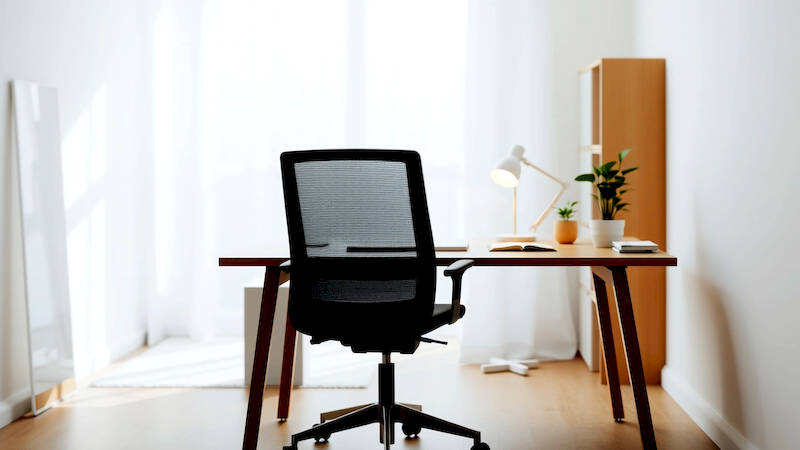
The rise of remote work has blurred the lines between our professional and personal lives, and for many, this means our desks have become permanent fixtures in our homes. However, the convenience of a dedicated workspace can quickly devolve into chaos, hindering productivity and increasing stress. A cluttered desk isn’t just an aesthetic problem; it’s a cognitive one. Studies consistently show a correlation between physical clutter and mental clutter, negatively impacting our ability to focus, process information, and even make decisions. In a world vying for our attention, regaining control of our immediate surroundings is a powerful step toward reclaiming our concentration.
Implementing a minimalist desk setup isn’t about sterile emptiness; it’s about intentionality. It’s about creating a workspace that supports your work, not distracts from it. It’s about prioritizing functionality, eliminating the unnecessary, and fostering a sense of calm. This isn’t simply a trend; it's a deliberate strategy rooted in principles of psychology and cognitive science. Embracing minimalism at your desk can be a transformative experience, leading to increased focus, reduced stress, and a more effective and enjoyable work-from-home life.
This article delves into the practicalities of building a minimalist desk setup, exploring the psychological benefits, offering a step-by-step implementation guide, and addressing potential challenges. We’ll move beyond superficial decluttering and explore how to create a workspace aligned with your specific needs and designed for optimal concentration.
- Understanding the Psychology of a Cluttered Workspace
- The Decluttering Process: A Step-by-Step Guide
- Defining Your “Essential” Toolkit
- The Art of Vertical Space and Cable Management
- Maintaining Minimalism: Habits and Routines
- Addressing Common Challenges & Counterarguments
- Conclusion: Reclaiming Your Focus, One Item at a Time
Understanding the Psychology of a Cluttered Workspace
The connection between our physical environment and our mental state is deeply ingrained. Psychologically, clutter overwhelms our brains. Visual noise competes for our attention, triggering a constant stream of distractions. This can lead to “cognitive overload,” a state where our working memory becomes saturated, making it difficult to focus on the task at hand. Researchers at Princeton University Neuroscience Institute found that physical clutter in our surroundings competes for our attention, resulting in reduced focus and increased stress. This diminished cognitive capacity translates directly into decreased productivity and increased error rates.
Furthermore, a cluttered space can evoke feelings of anxiety and helplessness. Psychologist Sherrie Bourg Carter, author of The Mindful Worker, explains, "Clutter is stored stress." Each item on your desk represents an unfinished task, a potential distraction, or a reminder of something you need to do. This constant visual barrage reinforces feelings of being overwhelmed and out of control. A minimalist setup, conversely, reduces this sensory overload, allowing your brain to allocate its resources to the task at hand. It promotes a sense of calm and order, fostering a more focused and productive mindset.
Minimizing isn’t about deprivation; it’s about mindful curation. It's about consciously choosing to surround yourself only with items that support your work and well-being. This deliberate act of simplification sends a signal to your brain that you are in control and prepared to focus, increasing your chances of success.
The Decluttering Process: A Step-by-Step Guide
Decluttering your desk isn’t a one-time event; it’s an ongoing process. However, a thorough initial declutter is crucial. Begin by completely clearing your desk – every single item. Resist the urge to immediately start sorting. Instead, take a moment to appreciate the empty space. This sets the stage for intentional re-population. Next, categorize your items into four distinct piles: “Essential,” “Useful but Not Essential,” “Storage,” and “Discard.” Be brutally honest with yourself. An item’s sentimental value shouldn’t outweigh its impact on your focus.
The “Essential” pile should contain only the items you use daily to perform your core work tasks – laptop, keyboard, mouse, perhaps a notebook and pen. The “Useful but Not Essential” pile houses items used less frequently, like reference books, staplers, or charging cables. These should be relocated to storage outside of your immediate workspace, like a drawer or nearby shelf. The "Storage" pile will contain items for later categorization or longer-term storage. Finally, the “Discard” pile is for everything else – broken items, old papers, promotional items, and anything else that no longer serves a purpose. Don't hesitate to be ruthless; if you haven’t used it in a month, chances are you don’t need it.
Once decluttered, clean the surface thoroughly. This symbolic act of cleansing reinforces the feeling of a fresh start. Consider investing in desk organizers for the “Useful but Not Essential” items you choose to keep nearby, ensuring everything has a designated place. Avoid simply shifting clutter from your desk to other surfaces – the goal is to reduce overall visual noise, not just rearrange it.
Defining Your “Essential” Toolkit
Once your desk is cleared, the real work begins: defining your essential toolkit. Resist the temptation to fill the void immediately. Start with the bare minimum: your computer, monitor, keyboard, and mouse. Spend a day working with just these items. You’ll likely find you need surprisingly little to perform your core tasks. This minimalist approach forces you to streamline your workflow and discover more efficient ways to accomplish your goals.
Consider the ergonomics of your setup. A comfortable chair, proper monitor height, and a supportive keyboard tray are essential for preventing strain and maintaining focus. Invest in quality, long-lasting items rather than cheap replacements that will need frequent upgrading. High-quality, minimalist tools not only function better but also contribute to a more aesthetically pleasing and calming workspace. For example, a sleek, wireless keyboard and mouse can drastically reduce cable clutter.
Reflect on your work style. If you frequently take notes, a simple notebook and pen should be part of your essentials. If you collaborate frequently, a high-quality headset might be necessary. The key is to identify the tools that directly support your most important tasks and eliminate everything else. The fewer items vying for your attention, the more focused you’ll be.
The Art of Vertical Space and Cable Management
A minimalist desk isn’t just about what’s on your desk; it’s also about how you utilize the surrounding space. Vertical space is often overlooked but can be incredibly valuable for storing items without sacrificing desk real estate. Install shelves above your desk to house books, files, or decorative items that inspire you but don't need to be within arm's reach. Monitor arms are another excellent investment, freeing up desk space and allowing for optimal monitor positioning.
Effective cable management is crucial for achieving a clean, uncluttered look. Tangled cables are a major source of visual distraction and can even create physical obstacles. Invest in cable sleeves, ties, and organizers to bundle and conceal cables. Prioritize wireless peripherals whenever possible to further reduce cable clutter. Consider a power strip with surge protection to neatly manage power cords. Don’t just hide the cables; organize them strategically so they’re accessible when needed but remain out of sight most of the time.
Remember that the goal isn't just a visually appealing space; it’s a functional one. Ensure that anything you store within reach is easily accessible and contributes to your productivity.
Maintaining Minimalism: Habits and Routines
Implementing a minimalist desk setup is just the first step. Maintaining it requires conscious effort and the development of new habits. Dedicate 5-10 minutes at the end of each workday to tidying your desk. Put everything back in its designated place, discard any trash, and wipe down the surface. This simple routine prevents clutter from accumulating and ensures you start each day with a clean slate.
Adopt a “one in, one out” policy. Whenever you bring a new item into your workspace, get rid of something else. This prevents your collection from growing out of control. Regularly review your “Useful but Not Essential” items and reassess their necessity. Have your needs changed? Could you digitize documents to eliminate paper clutter?
Cultivate awareness throughout the day. When you find yourself accumulating papers or random objects on your desk, consciously redirect them to their designated storage locations. This requires mindfulness and a commitment to maintaining the minimalist approach. It's not about perfection; it's about consistent effort toward creating a more focused and productive workspace.
Addressing Common Challenges & Counterarguments
One common challenge is the fear of losing access to important information. Many worry that storing items away from their desk will make them less accessible. The solution is effective organization and digitization. Invest in a robust filing system – physical and digital – to ensure you can quickly locate anything you need. Cloud storage and note-taking apps can be invaluable for storing information digitally.
Some argue that a minimalist desk feels too sterile or impersonal. This is where personalization comes into play. Incorporate a few meaningful items that inspire you – a small plant, a favorite photograph, or a piece of art. However, be selective and avoid overcrowding. The key is to strike a balance between minimalism and personality.
Finally, some may resist minimalism simply because it requires effort. It’s true that decluttering and organizing takes time and energy. However, the long-term benefits – increased focus, reduced stress, and improved productivity – far outweigh the initial investment.
Conclusion: Reclaiming Your Focus, One Item at a Time
Implementing a minimalist desk setup isn't a whimsical trend; it's a powerful strategy for enhancing concentration and improving your work-from-home experience. By understanding the psychological impact of clutter, embracing a deliberate decluttering process, and cultivating mindful habits, you can create a workspace that supports your goals and promotes well-being. Remember that minimalism isn't about deprivation; it's about intentionality.
The key takeaways are simple: prioritize functionality, eliminate distractions, utilize vertical space, and maintain consistency. Start small, be ruthless in your decluttering, and focus on creating a space that feels calm, organized, and conducive to focused work. Building a minimalist setup is an ongoing process, a continuous refinement of your workspace to align with your evolving needs. Take the first step today – clear your desk, define your essentials, and rediscover the power of less. It's an investment in your productivity, your well-being, and your success.
Deja una respuesta