
DIY Hacks for Cleaning and Maintaining Indoor Plant Leaves
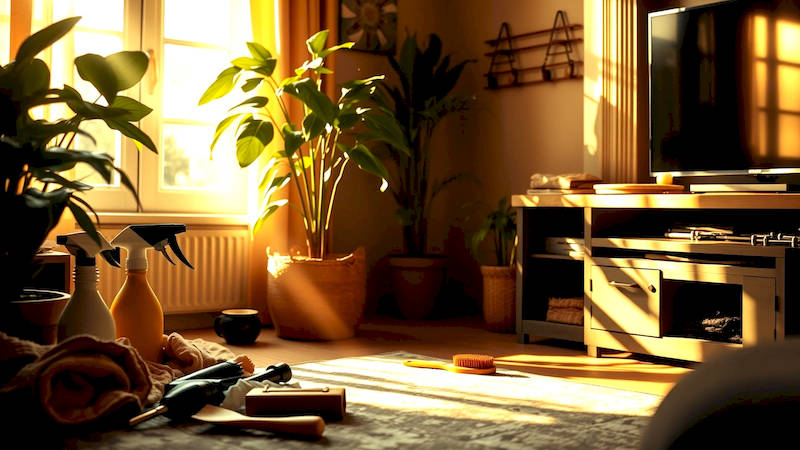
Indoor plants have exploded in popularity, transforming homes into lush, green sanctuaries. Beyond their aesthetic appeal, plants offer tangible benefits – improved air quality, reduced stress, and a connection to nature. However, a thriving indoor jungle requires more than just regular watering. Dust, debris, and even pests can accumulate on plant leaves, hindering their ability to photosynthesize and ultimately impacting their health. While commercial plant cleaners are available, many plant owners prefer a more natural and cost-effective approach. This article dives deep into a comprehensive suite of DIY hacks for cleaning and maintaining your indoor plant leaves, ensuring they remain vibrant, healthy, and beautiful. We'll explore effective cleaning solutions, preventative measures, and specialized techniques for various plant types, empowering you to provide the best possible care for your leafy companions.
Ignoring leaf maintenance isn’t simply an aesthetic issue; it's a matter of plant health. Dust acts as a physical barrier, reducing the amount of light reaching the chlorophyll in the leaves, thus impacting photosynthesis – the process by which plants create energy. Moreover, dusty leaves can become breeding grounds for pests like spider mites, which thrive in dry, dusty conditions. Regular cleaning also allows you to proactively inspect your plants for early signs of infestation or disease. Think of leaf cleaning not as a chore, but as a vital component of your plant’s overall well-being.
- The Power of Water: Simple Yet Effective Cleaning
- Leveraging Natural Solutions: Beyond Water
- Addressing Specific Plant Needs: Tailoring Your Approach
- Preventing Future Buildup: Proactive Maintenance
- Dealing with Stubborn Residue: Hard Water Spots and Scale
- Inspecting for Pests and Diseases During Cleaning
- The Importance of Leaf Shine (And When to Avoid It)
- Conclusion: A Proactive Approach to Plant Health
The Power of Water: Simple Yet Effective Cleaning
The most basic, and often most effective, method for cleaning plant leaves is simply using water. But it's not as straightforward as just splashing water on the foliage. The water quality and application method are crucial. Distilled water or rainwater are preferable to tap water, as tap water often contains chlorine and minerals that can leave unsightly spots on leaves, especially those with a waxy coating. Letting tap water sit out for 24 hours can also help some of the chlorine evaporate.
When applying water, avoid harsh spraying which can damage delicate leaves. Instead, use a soft cloth dampened with water, gently wiping each leaf individually. Alternatively, you can use a spray bottle set to a mist setting, holding it several inches away from the plant to avoid waterlogging. For larger-leaved plants like Monstera deliciosa or Fiddle Leaf Figs, a gentle sponge can be used. Always support the underside of the leaf with your other hand while wiping to prevent tearing or breakage. Remember to also wipe the stems of your plants!
For plants with particularly fuzzy leaves, like African Violets, avoid getting the leaves wet as this can cause spotting. Instead, use a soft brush, like a makeup brush, to gently dust the leaves. This approach avoids water damage and effectively removes dust without disrupting the delicate surface.
Leveraging Natural Solutions: Beyond Water
While water is a great starting point, a variety of natural solutions can enhance your leaf-cleaning efforts. One popular option is a diluted neem oil solution. Neem oil is a naturally occurring pesticide and fungicide, making it a fantastic choice for both cleaning and protecting your plants. Mix 1 teaspoon of neem oil with 1 quart of warm water and a few drops of mild dish soap (ensure it doesn't contain bleach or degreasers). Spray lightly onto the leaves, ensuring to coat both the upper and lower surfaces. Wipe down after a few hours with a damp cloth.
Another effective DIY cleaner is a solution of apple cider vinegar and water. Dilute 1 tablespoon of apple cider vinegar in 1 quart of water. This mixture helps break down mineral deposits and adds a subtle shine to the leaves. However, use this sparingly, as excessive acidity can harm some plants. Test on a small area first. Finally, a gentle solution of lukewarm water and a few drops of liquid castile soap can also be utilized. The castile soap helps lift dirt and grime without leaving behind a residue.
Addressing Specific Plant Needs: Tailoring Your Approach
Not all plants are created equal, and their leaf cleaning needs vary accordingly. Succulents, for example, often have a powdery coating called farina that protects them from the sun. Harsh cleaning can strip this coating, leaving them vulnerable to sunburn, so a very gentle dusting with a soft brush is best. Ferns, with their delicate fronds, require careful handling. Misting frequently with distilled water is often sufficient, and wiping individual fronds can be done with extreme caution.
Plants with large, smooth leaves, like Rubber Plants, are more forgiving and can tolerate a more thorough cleaning. Conversely, plants with hairy or textured leaves, like African Violets as mentioned previously, demand a gentler approach. For plants susceptible to fungal diseases, like Peace Lilies, ensure leaves are dried thoroughly after cleaning to prevent fungal growth.
“Understanding your plant’s specific needs is paramount,” says horticultural expert Dr. Emily Carter. “What works wonders for a Snake Plant could be detrimental to a Calathea. Researching your plant’s characteristics is the first step towards effective leaf care.”
Preventing Future Buildup: Proactive Maintenance
Cleaning plant leaves is important, but preventing dust buildup in the first place is even better. Regularly dust the areas surrounding your plants, as airborne dust will inevitably settle on the foliage. Increasing humidity around your plants can also help reduce dust accumulation. Grouping plants together or using a humidifier can create a microclimate that discourages dust buildup.
Consider the placement of your plants. Plants located near doorways or vents are more susceptible to dust accumulation. Moving these plants to a less-trafficked area can significantly reduce the frequency of cleaning. Furthermore, regular air filtration can improve indoor air quality and minimize dust particles. A simple wipe down of the leaves weekly, even without a cleaning solution, can drastically reduce dust buildup and keep your plants looking their best.
Dealing with Stubborn Residue: Hard Water Spots and Scale
Sometimes, water – ironically – can be the source of the problem. Hard water can leave behind mineral deposits that appear as unsightly white spots on leaves. To combat this, use distilled water or rainwater for watering and cleaning. If spots have already formed, a solution of lemon juice and water (1 tablespoon lemon juice to 1 quart water) can help dissolve the mineral deposits. Gently wipe the leaves with the solution, followed by a clean, damp cloth.
Scale insects can also leave behind a sticky residue on leaves. These pests suck sap from plants, excreting a sugary substance called honeydew. To remove scale and honeydew, a solution of isopropyl alcohol and water (1 part alcohol to 3 parts water) can be applied with a cotton swab directly to the affected areas. Always test this solution on a small area first to ensure it doesn't damage the leaves. In severe infestations, horticultural oil may be necessary.
Inspecting for Pests and Diseases During Cleaning
Leaf cleaning provides an excellent opportunity to inspect your plants for signs of pests and diseases. Look closely at the undersides of leaves for tiny insects, webbing, or unusual spots. Early detection is crucial for effective treatment. Common pests include spider mites, aphids, mealybugs, and scale. Symptoms of disease can include yellowing leaves, brown spots, or fungal growth.
If you detect pests, isolate the affected plant to prevent them from spreading to other plants. Depending on the type of pest, you can use a variety of treatments, including insecticidal soap, neem oil, or horticultural oil. For fungal diseases, ensure good air circulation and avoid overwatering. A fungicide may be necessary in severe cases. Remember, prevention is always better than cure, so regular inspection and proactive maintenance are key.
The Importance of Leaf Shine (And When to Avoid It)
The desire for glossy, vibrant leaves is understandable, but commercially produced leaf shine products often contain chemicals that can clog pores and hinder photosynthesis. While a natural shine can be achieved using diluted apple cider vinegar, be extremely cautious. Excessive use can damage delicate leaves. Ultimately, a truly healthy plant doesn’t need a leaf shine to look its best. Prioritizing plant health through proper cleaning, watering, and fertilization is far more effective than masking issues with superficial shine.
Conclusion: A Proactive Approach to Plant Health
Maintaining clean and healthy plant leaves is an integral part of providing optimal care for your indoor plants. By adopting a proactive approach that incorporates regular cleaning with water or natural solutions, preventative measures to minimize dust buildup, and vigilant pest and disease inspections, you can ensure your plants thrive. Remember to tailor your cleaning method to the specific needs of each plant, paying attention to leaf texture and sensitivity. Dust isn't just a cosmetic issue; it directly impacts a plant's ability to photosynthesize and remain healthy. By dedicating a small amount of time to leaf maintenance, you'll be rewarded with lush, vibrant foliage and a thriving indoor oasis. Don't underestimate the power of a simple wipe-down – it's a small investment that yields significant returns in plant health and your overall well-being. Commit to making leaf cleaning a regular part of your plant care routine, and watch your indoor jungle flourish.
Deja una respuesta