
Smart Bulk Buying: What to Buy, Store, and Use Without Food Wastage
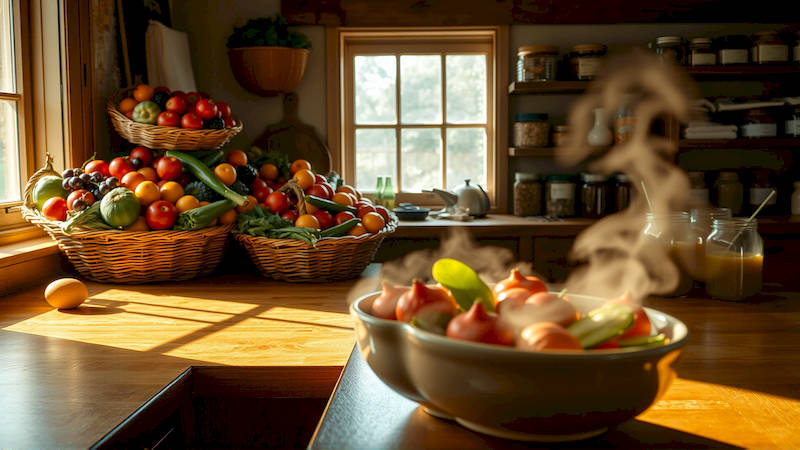
The allure of bulk buying is strong. Rows of discounted goods, the promise of savings, and the satisfaction of stocking up - it's easy to get swept away. However, the potential for waste, both financial and environmental, looms large. According to the USDA, an estimated 30-40% of the food supply is wasted in the United States, and a significant portion of that starts at the consumer level. Smart bulk buying isn’t simply about finding the best deals; it's a strategic approach to food management that balances cost savings with mindful consumption. It requires careful planning, realistic assessment of your household’s needs, and a solid understanding of storage techniques.
This article will delve into the art of smart bulk buying, moving beyond simple cost comparisons to explore which items genuinely benefit from bulk purchase, how best to store them to maximize freshness, and, crucially, how to integrate them into your meal planning to avoid the dreaded food waste pile. We’ll cover everything from pantry staples to freezer-friendly foods, providing practical tips and strategies to transform bulk buying from a potential pitfall into a powerful tool for smarter, more sustainable living. Ultimately, the goal is to enable you to reap the financial rewards of bulk buying while minimizing your environmental impact and maximizing the joy of home cooking.
- Identifying Bulk-Buying Candidates: Beyond the Unit Price
- Mastering Storage Techniques for Extended Freshness
- Integrating Bulk Purchases into Your Meal Planning System
- Knowing When Not to Buy in Bulk: Avoiding Common Pitfalls
- Extending Shelf Life: Freezing, Canning, and Pickling Techniques
- Re-purposing and Creative Cooking: Minimizing Wasteful Throw-Aways
- Conclusion: A Sustainable Approach to Savings
Identifying Bulk-Buying Candidates: Beyond the Unit Price
The first and most crucial step in successful bulk buying is discerning what to buy in bulk. Focusing solely on the lowest unit price (price per ounce, pound, etc.) can be misleading. While a seemingly fantastic deal might entice you, it's only a good investment if you can realistically use the product before it expires or degrades in quality. Non-perishable, frequently used items are the most reliable candidates. Think pantry staples like rice, beans (both dried and canned), pasta, flour, sugar, and oats. These items have long shelf lives and form the foundation of many meals. However, even within these categories, nuance is key.
Consider your consumption habits. Do you regularly use whole wheat flour for baking, or does it sit unused for months? If the latter, a large bag won’t save you money – it will simply represent wasted potential. Expert nutritionist, Dr. Emily Carter, emphasizes, “Bulk buying should be driven by your consumption patterns, not the perceived savings. A ‘deal’ on an item you ultimately throw away isn’t a deal at all, it’s a loss.” Beyond pantry staples, other strong contenders include frozen fruits and vegetables (especially if you regularly make smoothies or use them in cooking) and certain cleaning supplies.
Finally, don't forget about items you can easily divide and freeze. Ground meat, poultry, and fish, when purchased in larger quantities and carefully portioned, can provide significant savings. However, this requires prompt freezing and diligent tracking of dates. The importance of accurately assessing your household's needs cannot be overstated. Purchasing a giant container of spices you rarely use might seem appealing, but it's far better to buy smaller quantities of spices you frequently incorporate into your cooking.
Mastering Storage Techniques for Extended Freshness
Buying in bulk necessitates a robust storage strategy. Improper storage is the primary culprit behind food waste, negating any savings gained through bulk purchases. The right storage method depends heavily on the specific item. For dry goods like flour, sugar, rice, and pasta, airtight containers are paramount. These protect against moisture, pests, and oxygen, which can degrade quality and flavor. Glass jars or BPA-free plastic containers with tight-fitting lids are excellent choices.
Consider investing in oxygen absorbers for particularly long-term storage, especially with rice and flour – these absorb residual oxygen, extending shelf life considerably. For frozen foods, proper packaging is equally important. Freezer burn, caused by air exposure, significantly affects taste and texture. Wrap items tightly in plastic wrap, freezer paper, or use vacuum sealers for optimal protection. Label everything with the date of purchase, ensuring you use the oldest items first. According to the FoodKeeper app (developed by the USDA), properly stored frozen ground beef can last 3-4 months, while frozen vegetables can retain their quality for 8-12 months.
Furthermore, be mindful of the storage environment. Cool, dark, and dry conditions are ideal for most dry goods. Rotate your stock regularly, bringing older items to the front and newer items to the back – a principle known as “First In, First Out” (FIFO). This simple practice prevents items from languishing in the back of the pantry, forgotten until they’re past their prime.
Integrating Bulk Purchases into Your Meal Planning System
Smart bulk buying isn’t a standalone activity; it’s intimately linked to effective meal planning. Without a clear plan for how you’ll use your bulk purchases, you’re setting yourself up for waste. Before heading to the store, analyze your weekly meal plan and identify ingredients you can incorporate from your bulk stores. This proactive approach ensures that your purchases are purposeful and not impulsive. If you’ve bought a large bag of lentils, for example, plan at least two or three meals that feature them – lentil soup, lentil shepherd’s pie, or lentil salads.
Consider building “bulk buy weeks” into your meal rotation. These are weeks where you specifically focus on utilizing items from your bulk stores, depleting stock and preventing stagnation. Keep a running inventory of your bulk purchases – a simple spreadsheet or a whiteboard in the kitchen can be incredibly helpful. This allows you to visualize your supplies and incorporate them into your planning. Beyond weekly plans, think about batch cooking. Cooking large quantities of meals and freezing individual portions is an exceptionally effective way to utilize bulk ingredients.
An example of this could be making a big batch of chili with dried beans from your bulk supply and freezing it in individual containers for quick weeknight dinners. Remember to be flexible. Meal plans are guidelines, not rigid rules. Unexpected events happen, and sometimes you need to adjust. However, keeping your bulk purchases in mind during the planning process significantly reduces the likelihood of waste.
Knowing When Not to Buy in Bulk: Avoiding Common Pitfalls
While bulk buying can be advantageous, it’s not always the best option. Certain items simply don’t lend themselves well to bulk purchases, either due to their perishable nature or your likely consumption patterns. Produce, for example, is often a risky investment. Unless you have a large family that consumes a significant amount of fruits and vegetables daily, you’re likely to end up with spoiled produce. While some fruits and vegetables can be frozen, the quality may not be comparable to fresh.
Similarly, bread and dairy products are generally not good candidates for bulk buying, as they have relatively short shelf lives. Spices, as mentioned earlier, can also be problematic if you don’t use them frequently. Beware of “loss leaders” – items heavily discounted to lure you into the store. These may seem like great deals, but if you don't genuinely need the product, you’re still wasting money. A critical aspect is considering the storage constraints in your home. A massive 50-pound bag of potatoes is not a bargain if you have no cool, dark place to store them properly.
Finally, be wary of impulse buys driven by the perception of savings. Stick to your shopping list and resist the temptation to purchase items you didn’t plan for, even if they’re discounted. A solid rule of thumb is: if you are unsure if you need something, don't buy it.
Extending Shelf Life: Freezing, Canning, and Pickling Techniques
Beyond proper storage, exploring preservation techniques like freezing, canning, and pickling can unlock the full potential of bulk buying, particularly for seasonal produce. Freezing is arguably the easiest method. Fruits and vegetables can be blanched (briefly boiled then plunged into ice water) to preserve color and texture before freezing. Meat and poultry benefit from being tightly wrapped and frozen quickly. Canning allows you to preserve fruits, vegetables, and even meats for extended periods. However, canning requires meticulous adherence to safety guidelines to prevent botulism.
Pickling is another excellent option for preserving vegetables, adding a tangy flavor while extending their shelf life. Resources like the National Center for Home Food Preservation (NCHFP) provide detailed instructions and safety information for these preservation techniques. While these methods require some effort, they dramatically reduce food waste and allow you to enjoy your bulk purchases year-round. Consider investing in a quality vacuum sealer – this significantly extends the shelf life of both frozen and refrigerated items.
Remember, learning these preservation methods can also be a rewarding and empowering skill, allowing you to become more self-sufficient and reduce your reliance on store-bought products. This skill also makes you less susceptible to price fluctuations and seasonal availability.
Re-purposing and Creative Cooking: Minimizing Wasteful Throw-Aways
Even with careful planning and proper storage, occasional leftovers or slightly past-prime ingredients are inevitable. The key is to embrace the art of re-purposing and creative cooking. Slightly wilted vegetables can be transformed into soups, stews, or stir-fries. Overripe fruits are perfect for smoothies, baked goods, or jams. Leftover cooked meat can be used in salads, tacos, or casseroles.
Don't be afraid to experiment with flavors and cuisines. A little creativity can turn potential waste into delicious and satisfying meals. Utilize the “root-to-stem” cooking philosophy, incorporating parts of vegetables that are often discarded, such as beet greens or broccoli stalks. Online resources and cookbooks offer countless recipes for utilizing leftovers and reducing food waste.
Furthermore, consider composting food scraps that are truly unusable. Composting transforms food waste into nutrient-rich soil for your garden, closing the loop and creating a more sustainable food system. A simple example might include using leftover vegetable peels and coffee grounds to enrich your garden soil.
Conclusion: A Sustainable Approach to Savings
Smart bulk buying is more than just a way to save money; it’s a mindset shift towards more conscious and sustainable consumption. By carefully selecting items, mastering storage techniques, integrating purchases into meal plans, and embracing preservation and re-purposing strategies, you can unlock the true benefits of bulk buying while minimizing food waste. Remember, the lowest unit price isn’t always the best value – the ultimate value lies in how effectively you utilize what you buy.
The key takeaways are: prioritize frequently used, non-perishable items; invest in airtight containers; proactively plan meals around your bulk purchases; and don't shy away from preservation techniques. Start small, track your progress, and adjust your approach based on your household’s needs and consumption patterns. The goal is to create a system that works for you, reducing your environmental impact, shrinking your grocery bill, and ultimately, fostering a more mindful and sustainable lifestyle. By implementing these strategies, you can transform smart bulk buying from a mere cost-saving exercise into a cornerstone of a more resourceful and responsible home.
Deja una respuesta