
One-Pot Pasta Recipes for Effortless Weeknight Dinners
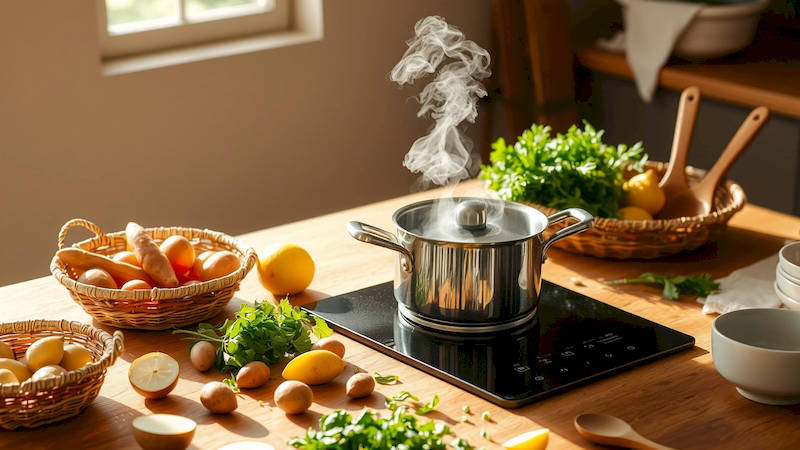
The modern weeknight is a battle against time. Between work, family commitments, and attempting to maintain some semblance of a personal life, the thought of spending an hour or more slaving over a hot stove can be utterly daunting. Consequently, many of us rely on quick, convenient – and often less healthy – meal options. But what if you could enjoy a delicious, home-cooked meal with minimal effort and, crucially, minimal cleanup? Enter the one-pot pasta recipe: a culinary lifesaver designed for busy lives. This isn’t just a trend; it’s a sensible cooking method that leverages the power of combining ingredients and cooking them together, resulting in flavorful, satisfying dishes with a surprising amount of depth.
One-pot pasta recipes have exploded in popularity, driven by the desire for simplicity and efficiency. Studies show that the average American spends roughly 37 minutes preparing dinner daily, and a significant portion of that time is devoted to washing dishes. One-pot meals aim to reclaim that lost time. Beyond the convenience, the technique itself offers unique advantages. The starch released during cooking acts as a natural emulsifier, creating a creamy, sauce-like consistency without the need for excessive cream or butter. This also means more flavor is built into the pasta itself, creating a more cohesive and satisfying final dish.
- The Science Behind the Simplicity: How One-Pot Pasta Works
- Building Flavor Profiles: Beyond Basic Tomato Sauce
- Vegetable Power: Incorporating Fresh Produce
- Protein Boost: Adding Meat, Poultry, or Legumes
- Troubleshooting Common One-Pot Pasta Problems
- Beyond the Basics: Flavor Variations and Recipe Inspirations
- Conclusion: Reclaiming Weeknights, One Pot at a Time
The Science Behind the Simplicity: How One-Pot Pasta Works
The beauty of one-pot pasta lies in its ability to leverage the entire cooking process to build flavor and texture. Traditional pasta cooking involves boiling pasta in a large volume of water, then draining and combining it with a separately prepared sauce. In contrast, one-pot pasta cooks the pasta in the sauce. This might sound counterintuitive, but it's surprisingly effective. The key is to use enough liquid to fully cook the pasta, typically a combination of broth, water, and sometimes tomato juice or wine. As the pasta cooks, it releases starch, which helps to thicken the liquid and create a creamy, emulsified sauce.
Think of it like a miniature risotto, where the constant stirring encourages starch release. However, one-pot pasta requires significantly less stirring, making it far more convenient. Crucially, the order of ingredient addition matters. Typically, you begin with aromatics like garlic and onions, followed by the liquid and then the pasta itself. This allows the flavors to infuse the liquid, which then coats the pasta as it cooks. Adding vegetables simultaneously with the pasta ensures they cook to the perfect tenderness alongside the noodles. According to J. Kenji López-Alt, author of The Food Lab, "the starch released by the pasta actually improves the texture of the sauce, creating a naturally creamy and emulsified consistency," further solidifying the science behind this technique.
Building Flavor Profiles: Beyond Basic Tomato Sauce
While a simple tomato-based one-pot pasta is a great starting point, the possibilities are truly limitless. The key to elevating these dishes is to think about layering flavors. Don’t be afraid to experiment with different herbs, spices, and aromatics. For example, a Mediterranean-inspired one-pot pasta could feature sun-dried tomatoes, Kalamata olives, feta cheese, and oregano, cooked in a vegetable broth base. Alternatively, a spicy arrabbiata could incorporate chili flakes, garlic, and a touch of red wine vinegar for brightness.
Consider leveraging umami-rich ingredients like parmesan cheese rinds (added to the liquid during cooking – remember to remove them before serving!), miso paste, or a splash of soy sauce to deepen the flavor profile. Experiment with different types of pasta as well. Short-cut pastas like penne, rotini, or farfalle work exceptionally well, as they tend to absorb more sauce. Don't limit yourself to Italian flavors either. A one-pot pasta inspired by Thai cuisine, using coconut milk, red curry paste, and lime juice, is a deliciously unexpected twist. A fundamental principle is to taste and adjust seasoning throughout the cooking process, ensuring balanced flavours.
Vegetable Power: Incorporating Fresh Produce
One-pot pasta provides an excellent opportunity to sneak in extra servings of vegetables. Hearty vegetables like broccoli, carrots, and bell peppers can be added directly to the pot alongside the pasta and liquid. Leafy greens like spinach and kale should be added towards the end of the cooking time, as they wilt quickly. More delicate vegetables, like zucchini or mushrooms, can also be added later in the process to prevent them from becoming mushy.
Roasting some of the vegetables beforehand can add another layer of flavour. For instance, roasting bell peppers and onions until slightly charred before adding them to the one-pot pasta creates a delicious smoky flavour. Don’t hesitate to use frozen vegetables as well; they are a convenient and budget-friendly option that works particularly well in one-pot pasta recipes. When using frozen veggies, you may need to slightly increase the cooking time to ensure they are heated through.
Protein Boost: Adding Meat, Poultry, or Legumes
To make your one-pot pasta a complete meal, adding a protein source is essential. Ground meats, such as beef, turkey, or pork, can be browned in the pot before adding the liquid and pasta. Pre-cooked chicken or sausage can be added during the last few minutes of cooking to heat through.
For a vegetarian option, consider adding beans or lentils. Chickpeas, cannellini beans, or red lentils all work well in one-pot pasta recipes. Adding crumbled tofu or tempeh provides another plant-based protein boost. The key is to ensure the protein is fully cooked before serving. Remember to adjust the liquid levels if adding a substantial amount of protein, as some proteins will absorb liquid during cooking.
Troubleshooting Common One-Pot Pasta Problems
While generally foolproof, one-pot pasta isn’t without its potential pitfalls. One common issue is the pasta becoming too sticky or mushy. This usually happens when too little liquid is used or the pasta is overcooked. To avoid this, always use the recommended amount of liquid (typically around 4-6 cups for 1 pound of pasta) and check for doneness frequently. If the pasta absorbs all the liquid before it’s cooked, add a little more, a quarter cup at a time, until it reaches the desired consistency.
Another issue can be undercooked pasta, especially with thicker pasta shapes. Extending the cooking time for a few minutes, and stirring occasionally will resolve it. Bland flavour is also easily avoided with correct seasoning. Don't be shy about adding salt and pepper, and consider using flavorful broths or adding a squeeze of lemon juice to brighten up the dish. Finally, if the sauce isn’t thickening, try stirring vigorously for a few minutes to encourage starch release.
Beyond the Basics: Flavor Variations and Recipe Inspirations
Let's delve into some specific recipe ideas to inspire your one-pot pasta creations. Consider a "Lemon Garlic Shrimp Scampi" one-pot pasta: sauté shrimp with garlic, then add pasta, chicken broth, lemon juice, and parmesan cheese. Alternatively, try a "Creamy Tomato Basil" variation: combine pasta, crushed tomatoes, vegetable broth, basil, and a dollop of cream cheese for a comforting, classic flavour.
For a more adventurous option, explore a "Spicy Chorizo and Chickpea" pasta, featuring chorizo sausage, chickpeas, diced tomatoes, and a generous pinch of chili flakes. A "Mushroom and Spinach" version offers a hearty vegetarian option using vegetable broth and a touch of white wine. Experimenting with different spice blends – such as Italian seasoning, herbes de Provence, or even a touch of smoked paprika – can further customize your dishes. The possibilities are limited only by your imagination.
Conclusion: Reclaiming Weeknights, One Pot at a Time
One-pot pasta recipes aren't simply a culinary shortcut; they're a smart, efficient, and flavorful way to approach weeknight dinners. By embracing this technique, you can eliminate unnecessary steps, reduce cleanup, and spend more quality time with your family—or simply relaxing after a long day. The beauty of one-pot pasta also lies in its versatility, allowing for endless customization and experimentation with flavors and ingredients.
From understanding the science behind starch release to mastering flavour layering and troubleshooting common issues, you now possess the knowledge to confidently create delicious and satisfying one-pot pasta meals. The key takeaways are simple: prioritize flavour, don't be afraid to experiment, and remember that minimal effort can yield maximum results. So, ditch the takeout menus, gather your ingredients, and reclaim your weeknights—one pot at a time. Start with a basic tomato and basil recipe and gradually explore more complex variations. Your taste buds – and your dishwasher – will thank you.
Deja una respuesta