
5-Minute Meal Prep Hacks Using Leftover Ingredients
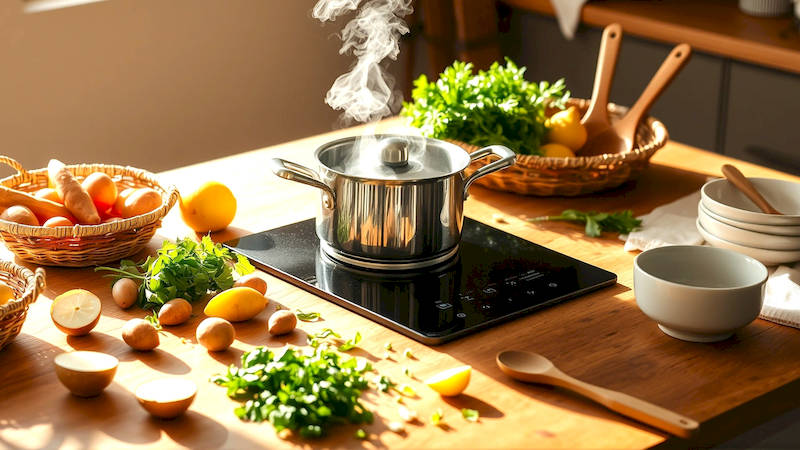
The modern lifestyle is often a whirlwind of commitments, leaving little time for elaborate meal planning and cooking. We’re busier than ever, with demanding jobs, family obligations, and a constant pull from social media. This often results in relying on takeout or convenience foods, which can be expensive and detrimental to our health. However, a little proactive planning – even just five minutes a day – can make a monumental difference in streamlining weeknight dinners and reducing food waste. This isn’t about becoming a master chef; it’s about smart strategies to leverage the food you already have to create quick, healthy, and delicious meals. This article dives into five incredibly effective meal prep hacks that utilize leftover ingredients, transforming them into exciting new dishes in minutes.
The key to successful meal prepping isn’t necessarily about cooking large batches of entire meals, but rather about strategically preparing components that can be mixed and matched throughout the week. Many of us already cook more food than we immediately consume, leading to valuable leftovers. The problem lies in letting those leftovers stagnate and eventually spoil. Understanding how to repurpose these ingredients unlocks a world of possibilities, saving both time and money. According to the USDA, approximately 30-40 percent of the food supply is wasted, costing families thousands of dollars annually. Reducing food waste isn’t just beneficial for your wallet – it’s a sustainable practice that minimizes your environmental impact.
Ultimately, the goal is to build a system that works for you, not against you. These hacks are designed to be flexible and adaptable to your dietary preferences and the ingredients you typically have on hand. They’re about making healthy eating convenient and accessible, not adding another chore to your already full plate. Let's move beyond the guilt of leftovers and transform them into opportunities for culinary creativity and stress-free evenings.
Transforming Roasted Chicken into Global Flavors
Roasted chicken is a classic for a reason. It provides a substantial amount of protein and often yields generous leftovers. Too often, however, leftover roasted chicken feels… repetitive. One of the quickest and most effective strategies is to think beyond the typical sandwich or salad and reimagine the chicken within different global cuisines. This isn’t about intricate recipes, but flavorful additions that radically alter the final dish.
To truly maximize this hack, consider prepping a simple sauce or marinade while the original chicken is still cooking. For example, a quick teriyaki glaze (soy sauce, honey, ginger, garlic) or a spicy peanut sauce (peanut butter, soy sauce, lime juice, chili garlic sauce) can be whisked together in minutes. Once the chicken is cooked, portion out leftovers and store them with a drizzle of the sauce, allowing the flavors to meld overnight. The next evening, you’re not facing “cold chicken”; you’re facing teriyaki chicken ready for a stir-fry, or peanut chicken perfect for lettuce wraps.
Think about how the accompanying sides can be repurposed as well. Roasted vegetables become a vibrant addition to a chicken and vegetable curry. Mashed potatoes can be transformed into chicken pot pie filling with a pre-made pie crust, or even used as a base for shepherd’s pie. Beyond specific cuisines, a little creativity can go a long way. Finely shredded chicken tossed with buffalo sauce and blue cheese dressing becomes a delicious chicken dip, or a flavorful filling for quesadillas.
Revamping Rice: Beyond Stir-Fries and Side Dishes
Leftover rice is a pantry staple that often gets overlooked. Many people view it solely as a side dish, but it’s an incredibly versatile ingredient that can form the foundation of numerous quick meals. Instead of simply reheating the rice as is, consider it a blank canvas for flavorful additions and textural contrasts.
One of the easiest methods is to create a quick fried rice – even if you don’t have perfectly chopped veggies. Frozen mixed vegetables, canned corn, and even leftover roasted vegetables can be tossed in with a beaten egg, a splash of soy sauce, and the leftover rice for a complete and satisfying meal. A simple scramble egg and soy sauce addition does wonders. However, don’t limit yourself to Asian-inspired dishes. Rice can also be used to create hearty bowls. Think Mexican-inspired rice bowls with black beans, salsa, avocado, and a sprinkle of cheese; Mediterranean bowls with chickpeas, feta, olives, and a lemon-tahini dressing; or even a simple rice and lentil salad with chopped vegetables and a vinaigrette.
Furthermore, rice can be transformed into comforting breakfast options. Sweeten leftover rice with a touch of milk and cinnamon, and top with fresh fruit and nuts for a warm and satisfying rice pudding. Or, shape the rice into patties, pan-fry them until golden brown, and serve with a fried egg for a unique and flavorful breakfast.
Giving New Life to Roasted Vegetables
Roasted vegetables, like leftover chicken, often fall victim to repetition. However, their natural sweetness and depth of flavor make them ideal for a wide range of applications. The key is to think beyond simply reheating them as a side dish. Roasting concentrates the flavors and develops pleasing textures, making them remarkably adaptable.
The classic step is incorporating roasted vegetables into omelets or frittatas. Simply whisk a few eggs with a splash of milk or cream, add the chopped vegetables, and cook in a skillet until set. This creates a quick and satisfying breakfast, brunch or light dinner. But the possibilities don't stop there. Pureed roasted vegetables can be used to create creamy soups– blend with broth or coconut milk (depending on your preference). Alternatively, consider turning them into a chunky pasta sauce. Blend a portion of the roasted vegetables with some tomato sauce and a little pasta water, and toss with your favorite pasta for a quick and flavorful meal.
A really helpful tip: even slightly wilted or browned roasted vegetables can be rescued. A dash of lemon juice or a sprinkle of fresh herbs can revitalize their flavor and appearance. These vegetables can easily be incorporated into salads, providing a burst of flavor and texture.
From Leftover Protein to Speedy Salads & Wraps
Leftover cooked protein – steak, pork, fish, tofu – is a godsend for quick lunches and dinners. The temptation often lies in simply adding it to a salad, which is perfectly acceptable but can feel monotonous. The overlooked step is building a truly interesting salad or wrap, by focusing on contrasting textures and flavors.
Instead of a basic lettuce-and-tomato salad, consider incorporating grains like quinoa or farro, crunchy vegetables like bell peppers and cucumbers, and a flavorful dressing. A simple vinaigrette, a creamy tahini dressing, or even a spicy peanut sauce can transform the salad from bland to brilliant. Wraps are equally versatile. Utilizing tortillas, pita bread or lettuce wraps, add protein, roasted vegetables, hummus, and a smear of yogurt-based sauce for a fresh and nutritious meal. “Build-your-own” stations are excellent with these – let everyone customize their own wrap or bowl, which can be particularly helpful for families with varied tastes.
In order to quickly enhance flavor, consider marinating your protein in a flavourful sauce before repurposing it. This not only adds depth to the dish but also helps to moisten the protein, especially if it has been refrigerated for a few days.
The Power of Forgotten Herbs & Sauce
Often, the real potential for meal prepping using leftovers isn't the main ingredient itself, but the accompanying elements. That sprig of parsley wilting in the fridge, the remnants of last night's pesto, the half-used jar of salsa – these are the hidden heroes of quick meal preparation. These often-discarded items can add a surprising amount of flavor and complexity to otherwise simple dishes.
A handful of chopped fresh herbs can elevate a simple pasta dish, brighten up a soup, or add a fresh element to a wrap. A spoonful of leftover pesto can be stirred into scrambled eggs, spread on sandwiches, or tossed with roasted vegetables. Similarly, leftover salsa can be used as a topping for tacos, a dip for tortilla chips, or a flavorful addition to a rice bowl. The key is to embrace these "flavor boosters" rather than letting them go to waste.
Don’t underestimate the power of a simple compound butter made from leftover herbs and spices. Mix softened butter with chopped herbs, garlic, and a pinch of salt, and spread it on grilled chicken or fish for an instant flavor upgrade. These small additions can have a significant impact on the overall taste and enjoyment of your meals.
Conclusion: Embracing the Art of Leftover Transformation
Ultimately, mastering the art of using leftovers isn’t about rigid rules or complex recipes; it’s about adopting a mindset of resourcefulness and creativity in the kitchen. These five meal prep hacks demonstrate how a few simple strategies can transform leftover ingredients into exciting and convenient meals, saving you time, money, and reducing food waste. Remember, the goal is to work smarter, not harder, in the kitchen.
The key takeaway is to view leftovers not as "yesterday's news" but as potential building blocks for new culinary adventures. By proactively thinking about how you can repurpose ingredients, you can unlock a world of possibilities and significantly simplify your weeknight routine. Start small—choose one hack to implement this week, and gradually incorporate others as you become more comfortable. Small changes can lead to big results, and before you know it, you’ll be a master of leftover transformation. Don’t be afraid to experiment, adapt these ideas to your own preferences, and most importantly, enjoy the process of creating delicious and stress-free meals.
Deja una respuesta