
Speedy Ways to Ripen Avocados for Instant Guacamole
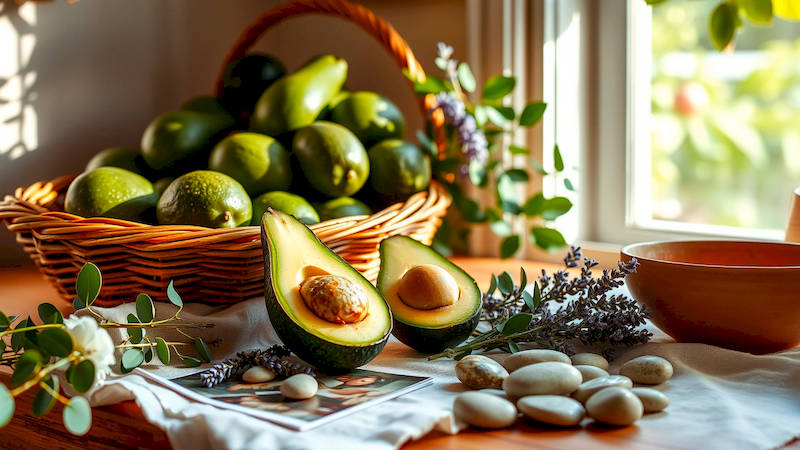
The yearning for creamy, delicious guacamole is a common one, but it often clashes with the frustrating reality of stubbornly unripe avocados. We’ve all been there – patiently (or impatiently!) awaiting the perfect avocado to reach peak ripeness, only to slice it open and find it still hard and unyielding. Beyond guacamole, perfectly ripe avocados are a cornerstone of countless dishes, from avocado toast to vibrant salads and smoothies. This widespread appeal makes finding quick and reliable methods for ripening avocados not just a kitchen convenience, but a genuine life hack for anyone who enjoys this nutritional powerhouse.
The problem stems from the avocado's unique ripening process. Unlike many fruits that ripen after being harvested, avocados don’t continue to ripen significantly once picked. They soften and change color only under specific conditions. Understanding these conditions is key to unlocking the secrets of rapid ripening. This article delves deep into scientifically-backed methods and time-tested techniques to transform a hard, green avocado into guacamole readiness in record time, exploring the 'why' behind each method and providing detailed, actionable steps.
- The Science of Avocado Ripening: Understanding Ethylene's Role
- The Paper Bag Method: A Kitchen Staple and its Variations
- The Flour Trick: An Unexpectedly Effective Solution
- Leveraging Warmth: The Oven Method (Use with Caution)
- The Sunlight Trick & Optimizing Storage
- Addressing Common Pitfalls & Preventing Brown Spots
- Conclusion: Mastering the Art of Avocado Ripening
The Science of Avocado Ripening: Understanding Ethylene's Role
Avocados are climacteric fruits, meaning they ripen after harvesting. This process is driven by ethylene gas, a natural plant hormone. Unlike some fruits that produce ethylene evenly, avocados have a relatively low natural ethylene production rate, which contributes to their often-slow ripening process. The goal of most of these methods isn’t to create ethylene, but to concentrate the ethylene naturally produced by the avocado around itself. This acceleration is perfectly safe and doesn't impact the flavor or nutritional content of the fruit.
Understanding this core principle clarifies why seemingly simple tricks like placing avocados in a paper bag work so effectively. The bag traps the ethylene gas emitted by the avocado, increasing its concentration and speeding up the ripening process. Different varieties of avocados may ripen at different rates, with Hass avocados being the most commonly available and generally ripening in 4-7 days at room temperature, while Fuerte avocados might take a bit longer. Recognizing the variety you have can help you gauge which method will prove most effective.
Furthermore, temperature plays a critical role. Lower temperatures slow down ethylene production, which is why refrigeration halts ripening; conversely, warmer temperatures accelerate it. We’ll explore methods that skillfully manipulate both ethylene concentration and temperature to optimize ripening time. A 2018 study by the University of California, Davis, confirmed that controlled ethylene exposure accelerates avocado ripening, yielding consistent results for commercial growers— principles we can adapt for home use.
The Paper Bag Method: A Kitchen Staple and its Variations
The paper bag method is arguably the most widely known and accessible technique for accelerating avocado ripening. This involves placing the avocado(s) in a brown paper bag with an apple or banana. Why these fruits? Apples and bananas are high ethylene producers, acting as catalysts to kickstart the ripening process. The paper bag concentrates the ethylene gas around the avocado, effectively creating a mini-ripening chamber.
To maximize effectiveness, ensure the bag is loosely closed – not sealed airtight. This allows for some airflow while still trapping a significant amount of ethylene. A single avocado will typically ripen within 2-3 days using this method, while multiple avocados will take slightly longer. For even faster results, add a sliced apple or a halved banana, increasing the initial ethylene concentration. Experimentation is key – different apples and bananas release varying levels of ethylene.
A common mistake is using plastic bags, which prevent proper gas exchange and inhibit the ripening process. Additionally, check the avocados daily. Once they yield to gentle pressure, they’re ripe and ready to use. Be cautious of over-ripening, especially if using multiple fruits in the bag – the process can accelerate quickly. Another variation involves adding a tomato to the bag alongside the avocado – tomatoes are also moderate ethylene producers.
The Flour Trick: An Unexpectedly Effective Solution
While less conventional, burying an avocado in a container of flour is surprisingly effective for rapid ripening. This technique isn’t based on ethylene, but rather on insulation and moisture control. The flour acts as an insulator, trapping the avocado’s natural heat and moisture, creating a warm, humid environment. This environment encourages the softening process by altering the cellular structure of the fruit.
To implement this method, choose a container large enough to hold the avocado(s) without being overly cramped. Completely cover the avocado(s) with all-purpose flour. The flour should be dry, as any moisture will promote spoilage rather than ripening. Check the avocado(s) every 12-24 hours. The ripening process can be very quick with this method – sometimes within 24 hours for a relatively hard avocado.
This method is particularly useful if you need an avocado urgently and don’t have an apple or banana readily available. However, it’s worth noting that this process can sometimes result in slight textural changes; the avocado might be a bit softer than one ripened with the paper bag method. Use caution if you’re sensitive to gluten, as flour dust can be released during handling.
Leveraging Warmth: The Oven Method (Use with Caution)
When time is of the absolute essence, and you're willing to trade a small degree of natural flavor development, the oven method can provide near-instant results. However, this method is best reserved as a last resort, as it doesn’t truly ripen the avocado in the traditional sense; it softens it using heat. This will yield a soft avocado, but might lack the complex, buttery flavor of a naturally ripened one.
To employ this technique, preheat your oven to 200°F (93°C). Wrap the avocado in aluminum foil, ensuring it’s completely sealed. Bake for 10-60 minutes, depending on the avocado’s initial hardness. Check for softness every 10 minutes by gently pressing. Overbaking will result in a mushy, unpleasant texture. Once softened, immediately remove the avocado from the oven and allow it to cool before using.
This method is primarily suitable for avocados intended for immediate use in recipes like guacamole where other ingredients will mask any slight flavor differences. It’s not recommended for avocados you plan to eat on their own, as the flavor profile will be noticeably altered. The University of California extension warns against relying solely on this method, stating it alters the natural enzymatic processes crucial for optimal flavor development.
The Sunlight Trick & Optimizing Storage
While often overlooked, exposure to sunlight can slightly accelerate ripening. Sunlight generates warmth, contributing to the activation of ripening enzymes. Place the avocado in a warm, sunny spot (but not in direct, scorching sunlight, as this can damage the fruit) for a day or two. Rotate the avocado occasionally to ensure even exposure.
Coupled with this, proper storage of ripe avocados is critical to preventing waste. Once ripe, avocados should be stored in the refrigerator to slow down further ripening. To prevent browning after cutting, sprinkle the exposed flesh with lemon or lime juice, or store it with a piece of onion in an airtight container. Another effective technique is to leave the pit in the avocado half you're storing. The pit slows down oxidation, keeping the guacamole, or sliced avocado, fresher for longer.
Addressing Common Pitfalls & Preventing Brown Spots
One frequent mistake is repeatedly squeezing avocados to check for ripeness. This bruising damages the fruit, leading to uneven ripening and brown spots. Instead, gently press near the stem end; a slight give indicates ripeness. Another challenge is identifying avocados that are already spoiled. If an avocado smells rancid or has dark, sunken spots, it’s likely past its prime.
Preventing browning is also crucial. Aside from lemon or lime juice, plastic wrap pressed directly onto the cut surface can minimize air exposure. A less common but effective trick is to brush the cut avocado with a little olive oil – this creates a barrier against oxidation. Remember that properly ripe avocados are a perishable commodity, so prompt use or appropriate storage is key to enjoying their deliciousness.
Conclusion: Mastering the Art of Avocado Ripening
In conclusion, accelerating avocado ripening isn’t about magic; it's about understanding and manipulating the natural ripening process driven by ethylene gas and temperature. The paper bag method, combined with apples or bananas, remains the most reliable and widely accessible technique. The flour trick offers a viable alternative when fruit isn’t available, while the oven method serves as a quick fix in emergency situations - albeit with a compromise on optimal flavor.
The key takeaway is that consistent monitoring and experimentation are crucial. Pay attention to the avocado’s initial hardness, the surrounding temperature, and the chosen method to fine-tune the ripening process. By mastering these techniques, you’ll never again be caught unprepared, allowing you to enjoy the creamy goodness of perfectly ripe avocados—and that irresistible guacamole—whenever the craving strikes. Don’t be afraid to test different combinations and observe the results, becoming an avocado-ripening expert in your own kitchen.
Deja una respuesta