
Shortcut Techniques to Peel and Chop Potatoes Faster
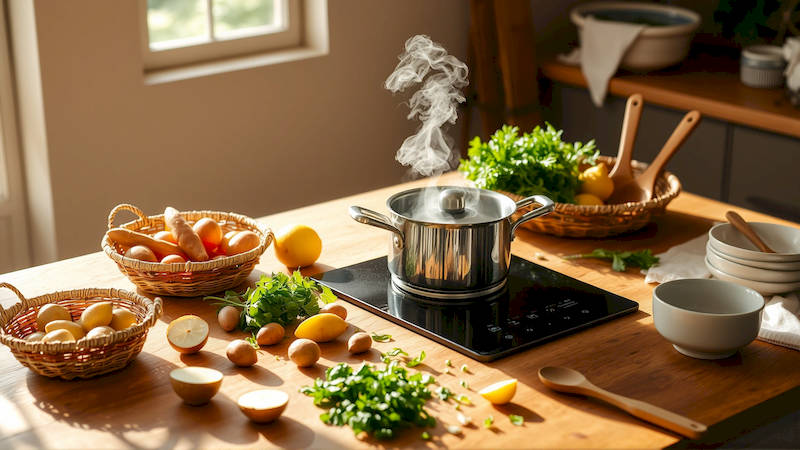
Potatoes – the humble, versatile root vegetable – form the backbone of countless meals around the world. From comforting mashed potatoes and crispy roasties to hearty stews and vibrant salads, their culinary applications are almost limitless. Yet, despite their deliciousness, preparing potatoes can often feel like a time-consuming chore. Peeling and chopping, in particular, can eat into valuable kitchen time, especially when dealing with larger quantities. But what if you could significantly reduce the prep time without sacrificing efficiency or safety? This article delves into a collection of shortcut techniques, expert tips, and clever hacks to help you peel and chop potatoes faster, reclaiming precious moments in your kitchen and unlocking even more culinary creativity. We’ll move beyond the standard methods and explore innovative solutions for both novice cooks and seasoned chefs alike.
Many home cooks dread the potato preparation stage, often viewing it as a necessary evil before the actual cooking begins. According to a 2023 survey by KitchenTime Magazine, nearly 60% of respondents cited peeling and chopping vegetables as their least favorite kitchen task. This frustration often leads to a preference for pre-cut potatoes, which, while convenient, frequently come with a higher price tag and potentially reduced freshness. Mastering efficient potato prep isn’t just about saving time; it’s about gaining control over the quality of your ingredients and maximizing your cooking enjoyment. Understanding different potato varieties and their specific characteristics will also contribute immensely to efficient preparation.
This guide offers a comprehensive breakdown of techniques, from optimizing your tools to employing clever knife skills, ultimately empowering you to tackle potato prep with confidence and speed. Whether you’re preparing a weeknight dinner for the family or hosting a large gathering, these shortcuts will transform a potentially tedious task into a manageable and even enjoyable part of the cooking process. Let’s dive into the methods that will revolutionize your potato preparation!
- Optimizing Your Tools for Speedy Prep
- Mastering the Art of Quick Peeling Techniques
- Efficient Chopping Methods: Dice, Slice, and Beyond
- The Boiling Water Trick for Faster, Easier Peeling
- Leveraging Batch Processing and Mise en Place
- Addressing Common Challenges and Counterarguments
- Conclusion: Reclaim Your Kitchen Time with Smarter Potato Prep
Optimizing Your Tools for Speedy Prep
The right tools are paramount to efficient potato preparation. While a basic vegetable peeler and chef's knife can get the job done, investing in or strategically utilizing specific tools can drastically reduce your workload. A Y-peeler, for instance, is often favored by professional chefs for its ergonomic design and ability to peel potatoes with a single, smooth motion, unlike traditional peelers which often require multiple strokes. Additionally, considering the size and sharpness of your knives is crucial – a dull knife is not only less efficient but also more dangerous.
Beyond the basics, specialized tools like electric spiralizers or food processors with slicing/dicing attachments can be game-changers, especially when dealing with large volumes. However, these require initial investment and cleaning, so their value is contingent on your frequency of potato preparation. A robust, stable cutting board is also vital. A board that slides around while chopping not only slows you down but dramatically increases the risk of cuts. “A stable cutting surface is as important as a sharp knife,” emphasizes Chef Alain Ducasse, renowned for his meticulous kitchen practices. "You need control, and control starts with a solid foundation."
Finally, don't underestimate the power of a good potato ricer or masher, depending on your intended use. While these don’t directly impact peeling or chopping, they streamline subsequent stages and minimize overall prep time when making mashed potatoes. Regularly honing your knives and keeping your peelers clean and sharp are also essential maintenance steps that contribute significantly to speed and safety.
Mastering the Art of Quick Peeling Techniques
Beyond choosing the right peeler, technique plays a massive role in how quickly you can strip potatoes of their skins. The key is to apply consistent pressure and long, flowing strokes. Avoid short, choppy motions, as these require more energy and take longer. A helpful technique involves rotating the potato in your non-dominant hand while peeling with your dominant hand, allowing for a continuous, uninterrupted peel.
For particularly stubborn potatoes with "eyes" or blemishes, utilizing the tip of the peeler (or a paring knife) to precisely remove these imperfections is more efficient than attempting to peel around them. This targeted approach minimizes wasted potato flesh and keeps the process streamlined. Another little-known trick is blanching the potatoes briefly before peeling. This loosens the skin significantly, making it slide off easily. Simply score the potato around its circumference, boil for a minute, then shock in ice water – the peel will virtually fall off!
However, remember that peeling isn't always necessary! Many potato recipes, such as roasted potatoes or potato wedges, benefit from leaving the skin on, adding texture and nutrients. This shortcut saves time and retains valuable vitamins and minerals found just beneath the skin. The decision of whether to peel or not should be based on the recipe and your personal preference.
Efficient Chopping Methods: Dice, Slice, and Beyond
Once peeled (or not!), efficient chopping is crucial. The foundation of fast chopping lies in proper knife skills. Mastering the "claw grip" – tucking your fingertips under and guiding the knife blade – ensures safety and precision. Avoid lifting the knife completely between chops; instead, use a rocking motion, keeping the blade in constant contact with the cutting board.
Different cuts require different techniques. For uniform diced potatoes, start by squaring off the potato, creating flat sides. Then, slice into planks, stack the planks, and cut into sticks (julienne). Finally, dice the sticks into desired sizes. For slicing, maintain consistent pressure and a steady rocking motion. A helpful visual aid is to imagine creating even "rails" with each slice. When cubing, aim for uniform sizes to ensure even cooking. Spending a little extra time on achieving consistent cuts pays dividends during the cooking process.
Furthermore, consider the recipe's requirements. Are small, equal-sized dice needed for potato salad, or larger chunks for a stew? Adjust your chopping technique accordingly. For very small dice (brunoise), a mandoline can be incredibly efficient, but exercise caution and always use the hand guard!
The Boiling Water Trick for Faster, Easier Peeling
This method is particularly effective for larger quantities of potatoes and can drastically reduce peeling time. Bring a pot of water to a rolling boil. Score a line around the circumference of each potato with a paring knife. Carefully lower the potatoes into the boiling water and cook for approximately 30-60 seconds. Immediately transfer the potatoes to a bowl of ice water.
The rapid heating and cooling cause the skin to separate from the flesh, making it incredibly easy to peel. The skin will often slip off with minimal effort. This technique works because the heat causes the potato cells to expand and contract, disrupting the bond between the skin and the flesh. While quick, it’s important to not overcook in the boiling water or the potatoes will start to soften and fall apart.
This method is incredibly useful when preparing potatoes for mashing, as the pre-boiling step shortens the overall cooking time. However, be mindful that this method isn't ideal for all potato varieties, as some might become overly mushy. Waxy potatoes, like red potatoes, hold their shape better and respond well to this technique.
Leveraging Batch Processing and Mise en Place
The French culinary principle of mise en place – meaning “everything in its place” – is incredibly valuable for efficient potato prep. Before you even touch a potato, gather all your tools: peeler, knives, cutting board, storage container. Having everything readily available eliminates wasted motion and streamlines the process.
Batch processing is equally effective. Instead of peeling and chopping one potato at a time, work in batches. Peel several potatoes and then move on to chopping them all before proceeding to the next step. This creates a rhythm and reduces mental switching costs. Designate separate containers for peeled potatoes, chopped potatoes, and potato scraps.
Furthermore, consider utilizing the downtime while potatoes are boiling or pre-cooking to tackle other tasks. Efficient kitchen workflow is about maximizing your time and minimizing wasted effort. This holistic approach to kitchen organization, combined with targeted preparation techniques, can significantly reduce your overall cooking time.
Addressing Common Challenges and Counterarguments
Some argue that relying on shortcuts sacrifices quality and that taking the time to peel and chop potatoes properly is essential for optimal flavor and texture. While there is merit to this perspective, it’s important to acknowledge the constraints of modern life. These techniques aren’t about compromising quality; they're about optimizing efficiency without significantly impacting the final result.
Another common challenge is dealing with different potato varieties. Starchy potatoes like Russets are easier to peel but can fall apart when diced, while waxy potatoes hold their shape better but are more difficult to peel. Understanding these differences and adjusting your technique accordingly is essential. Additionally, some cooks worry about wasting potato flesh during peeling. Using a sharp peeler and targeted removal of blemishes minimizes waste. Ultimately, the key is to find a balance between speed, efficiency, and quality that suits your individual needs and preferences.
Conclusion: Reclaim Your Kitchen Time with Smarter Potato Prep
Mastering the art of faster potato preparation isn’t just about saving time; it’s about empowering yourself in the kitchen and unlocking greater culinary creativity. By optimizing your tools, embracing efficient peeling and chopping techniques, and adopting the principles of mise en place and batch processing, you can transform a tedious chore into a manageable and even enjoyable part of the cooking process. From the simple benefits of a Y-peeler to the time-saving boiling water trick, the options are plentiful and adaptable to any home cook’s skill level.
The key takeaways from this guide are to prioritize sharp tools, master basic knife skills, explore alternative peeling methods, and embrace efficient workflow strategies. Don't be afraid to experiment and find what works best for you. Start by implementing one or two of these techniques into your routine and gradually build upon them. The reward will be more free time in the kitchen, less frustration, and more delicious potato-based dishes. So, go forth, conquer your potato pile, and reclaim your kitchen time!
Deja una respuesta