
Creating a Distraction-Free Home Workspace in Small Apartments
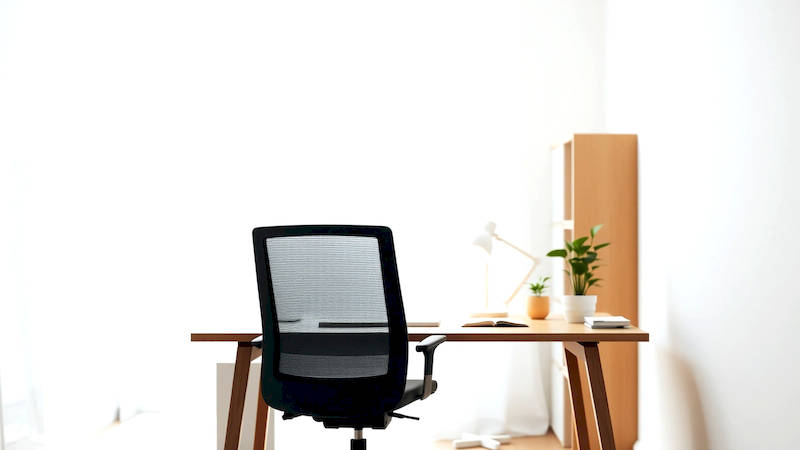
The rise of remote work has blurred the lines between our personal and professional lives, offering unprecedented flexibility but also posing significant challenges. For millions living in small apartments, this transition has been particularly difficult. The convenience of working from home often clashes with limited space, shared living arrangements, and a constant barrage of potential distractions. Successfully carving out a productive workspace isn’t just about finding a physical location; it's about strategically designing an environment that fosters focus, minimizes interruptions, and maximizes well-being. This article will navigate the intricacies of creating a distraction-free home workspace, specifically tailored for the unique constraints of small apartment living.
The impact of a poorly designed workspace can be substantial. Studies show that distractions significantly reduce cognitive performance, with even brief interruptions leading to noticeable decreases in accuracy and increased stress levels. Furthermore, consistently working in a cluttered or uncomfortable environment can negatively affect both mental and physical health. As a 2023 report by Buffer found, 22% of remote workers report loneliness as a top challenge, often exacerbated by the lack of a dedicated workspace that clearly delineates work from leisure. Therefore, proactively designing a functional and peaceful workspace isn’t a luxury, but a necessity for maintaining productivity, mental clarity, and overall quality of life.
This isn't simply about aesthetics, though a visually appealing space is certainly a bonus. It's about strategically optimizing your limited square footage, employing clever storage solutions, and establishing boundaries that protect your focus. Creating a dedicated workspace – even a small one – signals to your brain (and those you live with) that it's "work time," enhancing concentration and improving output. Successfully achieving this requires a thoughtful and deliberate approach, and this guide will lay out a comprehensive blueprint for doing just that.
- Defining Your Workspace: Boundaries and Location
- Vertical Thinking: Maximizing Space with Storage Solutions
- The Power of Light and Ergonomics: Comfort and Well-being
- Sound Control and Distraction Mitigation
- Establishing Routines and Mental Boundaries
- Leveraging Technology for Focus and Productivity
- Conclusion: A Sanctuary for Focus
Defining Your Workspace: Boundaries and Location
Perhaps the most significant hurdle in small apartment living is the lack of dedicated room. A spare bedroom is a dream, but often unrealistic. Instead, the focus shifts to identifying underutilized pockets of space and strategically defining them. Consider areas like a corner of the living room, an alcove, or even a well-organized closet. The key is to delineate this space physically and mentally. A rug, a screen, or even strategic furniture placement can create a visual boundary, signaling a shift in purpose. Don’t underestimate the power of this psychological separation.
Location is paramount. Avoid high-traffic areas like hallways or directly in front of the television. Noise is a major distraction, so proximity to external sources like street traffic, neighbors, or shared walls should be minimized. If complete silence isn't achievable, explore noise-canceling headphones or white noise machines. Be realistic about the limitations of your space. Trying to force a full-sized office setup into a cramped area will only lead to frustration. Prioritize functionality over ambition, and focus on creating a comfortable and efficient area, however small.
Furthermore, communicate the boundaries of your workspace to housemates or family members. A simple conversation explaining your need for uninterrupted time and suggesting designated communication times can prevent frequent disruptions. This open dialogue is vital for fostering a respectful and productive living arrangement.
Vertical Thinking: Maximizing Space with Storage Solutions
Small apartments demand clever storage solutions. Forget sprawling desks with drawers; embrace verticality. Utilize shelves that reach the ceiling to store books, files, and office supplies. Floating shelves are an excellent choice, as they don’t take up valuable floor space. Consider a wall-mounted organizer for pens, notebooks, and other small items. The goal is to keep your workspace clutter-free; a visually clean space promotes a clear mind.
Beyond shelves, explore multi-functional furniture. An ottoman with hidden storage, a desk that folds away when not in use, or a bookshelf that doubles as a room divider are all excellent options. Think creatively about how to repurpose existing furniture. A small dining table can serve as a temporary workstation, provided you create a designated “work zone” and pack everything away at the end of the day. Don't be afraid to invest in quality storage bins and containers to keep items organized and easily accessible. Categorizing and labeling these containers is crucial for maintaining order long-term.
It’s also critical to regularly declutter. A minimalist approach isn't just aesthetically pleasing; it's essential for maintaining a productive workspace in a small apartment. Periodically assess your belongings, discard items you no longer need, and donate or sell those that are still usable.
The Power of Light and Ergonomics: Comfort and Well-being
Proper lighting is crucial for both productivity and well-being. Natural light is ideal, so position your workspace near a window if possible. However, direct sunlight can cause glare, so consider sheer curtains or blinds to diffuse the light. Supplement natural light with task lighting, such as a desk lamp with adjustable brightness and color temperature. Warm light is generally more relaxing, while cool light is more stimulating and ideal for focused work. Choosing the right lighting can significantly reduce eye strain and fatigue.
Ergonomics are equally important, especially when working long hours. Invest in a comfortable chair with good lumbar support. If a full ergonomic chair isn’t feasible, use cushions and pillows to support your back and neck. Ensure your monitor is positioned at eye level to prevent neck strain. A separate keyboard and mouse can also improve comfort and reduce the risk of repetitive strain injuries. Remember that even small adjustments to your setup can make a big difference in your overall well-being.
A standing desk converter is a worthwhile investment if you're concerned about the health risks associated with prolonged sitting. These converters allow you to easily switch between sitting and standing throughout the day, promoting better posture and increasing energy levels. Regular breaks to stretch and move around are also essential for preventing discomfort and maintaining focus.
Sound Control and Distraction Mitigation
In a shared apartment, noise is almost inevitable. Minimizing distractions is key. As previously mentioned, noise-canceling headphones are an excellent investment. They can block out distracting sounds and create a more focused environment. White noise machines or ambient sound apps can also be helpful in masking unwanted noise. Consider the type of sound you find most soothing; some people prefer nature sounds, while others find brown noise more effective.
However, sound control isn’t just about blocking external noise; it’s also about minimizing self-generated noise. A quiet keyboard and mouse can make a surprisingly big difference. Consider using a keyboard mat to absorb vibrations and reduce noise. Communicate with housemates about politely minimizing their noise levels during your work hours.
Beyond auditory distractions, address visual clutter. Keep your workspace tidy and organized, and remove anything that might divert your attention. A minimalist aesthetic can be particularly helpful in creating a calming and focused environment. Establish a "distraction-free zone" around your workspace, and discourage interruptions during peak working hours.
Establishing Routines and Mental Boundaries
Creating a dedicated physical space is only half the battle. Establishing routines and mental boundaries is equally important. Start your workday with a consistent ritual to signal to your brain that it’s time to work. This could involve making a cup of coffee, listening to a specific playlist, or reviewing your to-do list. This ritual helps to create a sense of normalcy and focus.
Similarly, establish clear boundaries between work and personal life. Set specific working hours and stick to them as much as possible. When your workday is over, physically pack away your work materials to create a mental separation. Resist the temptation to check emails or work on projects outside of your designated working hours. This is particularly challenging for remote workers, but it’s essential for preventing burnout and maintaining a healthy work-life balance.
Utilize time management techniques like the Pomodoro Technique to break down your work into focused intervals, interspaced with short breaks. This can help to maintain concentration and prevent mental fatigue. Regularly review your routines and make adjustments as needed to optimize your productivity and well-being.
Leveraging Technology for Focus and Productivity
Technology can be both a blessing and a curse when it comes to distraction. Utilize website blockers and app timers to limit your access to social media and other time-wasting websites and applications. There are numerous free and paid tools available to help you manage your digital habits. Consider using a project management tool to organize your tasks and track your progress.
Utilize cloud-based storage solutions to access your files from anywhere, but resist the urge to constantly check them outside of work hours. Email filters and notification settings can also help to minimize distractions. Turn off non-essential notifications on your phone and computer. Curate your digital environment to support your productivity goals.
Explore focus-enhancing apps that play ambient sounds, block distracting websites, or provide guided meditation. These tools can help you create a more conducive environment for focused work. Regularly evaluate your technology usage and identify areas where you can improve your digital habits.
Conclusion: A Sanctuary for Focus
Creating a distraction-free home workspace in a small apartment is a multifaceted challenge, but one that is eminently achievable. It requires a strategic blend of space optimization, ergonomic consideration, sound control, routine establishment, and mindful technology usage. The key takeaway is that this isn't about replicating a corporate office, but crafting a personalized sanctuary for focus – a space that supports your productivity, well-being, and ultimately, your success as a remote worker.
Don't underestimate the power of incremental improvements. Start by decluttering your workspace and implementing one or two of the strategies outlined in this guide. Gradually refine your setup and routines based on your individual needs and preferences. Remember that consistency is key. By establishing clear boundaries, prioritizing your well-being, and proactively managing distractions, you can transform even the smallest apartment into a highly productive and fulfilling work environment. Your home should be your haven, and with conscious effort, it can also be your most effective workspace.
Deja una respuesta