
How to Use Natural Light to Boost Productivity While Working Remotely
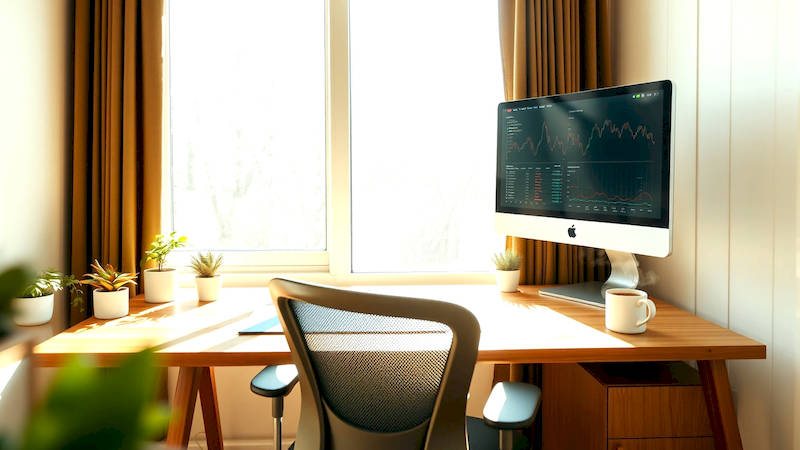
The rise of remote work has brought undeniable flexibility and convenience, but it’s also introduced new challenges to maintaining focus and productivity. Separating work life from home life, battling distractions, and combating feelings of isolation are common hurdles. However, a surprisingly simple and often overlooked factor can significantly impact your workday: natural light. For millennia, humans have operated in sync with the sun’s natural rhythms, and our brains and bodies are still profoundly influenced by its presence (or absence). Ignoring this fundamental biological connection in our home office setups can lead to fatigue, decreased motivation, and ultimately, diminished productivity. This article will delve into the science behind natural light’s impact on work performance and provide practical, actionable strategies to maximize its benefits while working remotely.
Many remote workers find themselves toiling away in dimly lit rooms, relying heavily on artificial illumination. While artificial light serves a purpose, it often lacks the full spectrum of light found in sunlight, which is crucial for regulating our circadian rhythms, boosting mood, and enhancing cognitive function. The consequences of insufficient natural light exposure can be far-reaching, extending beyond simple drowsiness. Studies have linked it to increased rates of Seasonal Affective Disorder (SAD), reduced vitamin D levels, and even impaired performance on tasks requiring sustained attention. Recognizing the power of sunlight and actively integrating it into your work-from-home routine can transform your productivity and overall well-being.
Ultimately, optimizing your workspace for natural light isn’t about aesthetics; it’s about working with your biology to create an environment that supports peak performance. It’s a low-cost, high-impact intervention that can yield substantial returns in terms of focus, energy levels, and job satisfaction. This article will provide a detailed guide, moving beyond generic advice to offer specific, actionable steps you can take today to make the most of the sun's energy.
- The Science Behind Sunlight and Productivity
- Assessing Your Current Workspace
- Optimizing Placement and Window Treatments
- Utilizing Light Reflection and Color Psychology
- Incorporating Breaks and Outdoor Exposure
- Addressing Challenges and Alternative Solutions
- Conclusion: Illuminating Your Path to Remote Work Success
The Science Behind Sunlight and Productivity
The benefits of natural light extend far beyond simply being able to see better. Our bodies are governed by a 24-hour internal clock, known as the circadian rhythm, which regulates numerous physiological processes including sleep-wake cycles, hormone release, and even cognitive performance. Sunlight is the primary cue that synchronizes this internal clock, dictating when we feel alert and energized versus tired and sluggish. Exposure to bright light, particularly in the morning, suppresses the production of melatonin, a hormone that promotes sleepiness, and boosts levels of cortisol, a hormone associated with alertness and focus.
Furthermore, natural light is intrinsically linked to the production of serotonin, a neurotransmitter often dubbed the “happiness hormone”. Low serotonin levels are associated with depression, anxiety, and decreased motivation – all of which can significantly hinder productivity. When we expose ourselves to sunlight, our brains release more serotonin, leading to improved mood, increased feelings of well-being, and a greater sense of calm. Consequently, this optimized neurochemical balance makes it easier to concentrate, problem-solve, and engage in complex tasks. A 2013 study published in Environmental Health and Engineering found that workers exposed to more daylight reported fewer mood disturbances and better sleep quality.
The visual clarity provided by natural light also plays a role. Unlike artificial light, which can cause glare and eye strain, sunlight offers a natural, diffuse illumination that is gentler on the eyes. This reduces visual fatigue and allows us to focus for longer periods without discomfort. It's not just about quantity but quality - the full spectrum of light in sunlight activates different photoreceptors in our eyes, contributing to overall visual comfort and alertness.
Assessing Your Current Workspace
Before you can effectively harness the power of natural light, you need to objectively evaluate your current workspace. Begin by observing how sunlight interacts with your room throughout the day. Note which areas receive direct sunlight, for how long, and at what times. Pay attention to any obstructions, such as trees, buildings, or heavy curtains, that may be blocking or diminishing the amount of light entering the room. This simple observation can reveal crucial insights into your workspace’s light profile.
Next, consider the position of your workstation within the room. Are you facing a window, or are you positioned with your back to it? Ideally, you want to position yourself so that natural light falls to the side of your workspace, rather than directly in front of or behind you. Facing a window directly can cause glare on your screen, while having your back to it can create a high-contrast environment that strains your eyes. A side-lit setup provides a softer, more balanced illumination. Moreover, take note of the color and texture of your walls and surrounding surfaces. Dark-colored walls absorb light, making a room feel smaller and dimmer, while light-colored walls reflect light, brightening the space.
Optimizing Placement and Window Treatments
Once you’ve assessed your workspace, it’s time to make some changes. If possible, reposition your workstation to take advantage of available natural light. As previously mentioned, a side-lit setup is generally optimal. If moving your entire workstation isn’t feasible, consider rearranging smaller elements, such as your desk lamp or monitor, to minimize glare and maximize indirect light. A small adjustment can often make a significant difference.
Window treatments play a critical role in controlling the amount and quality of natural light. Heavy curtains or blinds can block out too much light, while sheer curtains can diffuse harsh sunlight, creating a softer, more pleasant ambiance. Experiment with different types of window coverings to find the balance that works best for your space and personal preferences. Consider layering window treatments – for example, combining sheer curtains with blackout shades – to provide maximum flexibility. During the brightest parts of the day, you may want to use sheer curtains to diffuse the light, while using blackout shades to block out the sun during meetings or when you need a darker environment for focused work.
Utilizing Light Reflection and Color Psychology
Beyond maximizing direct sunlight exposure, you can further enhance the brightness and vibrancy of your workspace by strategically utilizing light reflection and color psychology. Mirrors are powerful tools for bouncing light around a room, making it feel larger and more open. Position a mirror opposite a window to amplify the amount of natural light entering the space. Avoid using dark or overly ornate frames, as these can detract from the reflective effect. Instead, opt for sleek, minimalist frames that blend seamlessly with the room's decor.
Color psychology suggests that certain colors can influence our mood and cognitive function. Light and airy colors, such as white, beige, and pale blue, reflect light and create a sense of calm and openness. These colors are ideal for workspaces, as they can promote focus and reduce stress. Avoid using dark or overly saturated colors, as these can absorb light and create a claustrophobic atmosphere. Incorporate pops of color through artwork, accessories, or plants to add visual interest and stimulate creativity, but keep the overall color scheme neutral and light-reflective.
Incorporating Breaks and Outdoor Exposure
While maximizing natural light within your workspace is crucial, it's equally important to prioritize regular breaks and outdoor exposure. Prolonged periods of indoor confinement, even in a well-lit environment, can disrupt your circadian rhythm and lead to fatigue. Schedule short breaks throughout the day to step outside and soak up some sunshine. Even a 15-minute walk or simply sitting in the sun can significantly boost your energy levels and improve your mood.
During your breaks, consciously focus on the sensation of sunlight on your skin. This helps reinforce your body’s natural connection to the sun's rhythms. If weather conditions don’t permit outdoor exposure, try to position yourself near a window during your breaks, or use a light therapy lamp designed to mimic the effects of natural sunlight. These lamps can be particularly helpful during the winter months when daylight hours are limited. This combination of maximizing indoor light and actively seeking outdoor exposure offers a comprehensive approach to optimizing your circadian rhythm and boosting productivity.
Addressing Challenges and Alternative Solutions
Not everyone has the luxury of a bright, sunny workspace. Some remote workers may live in areas with limited sunlight, have poorly positioned windows, or face restrictions on altering their workspace. In these cases, alternative solutions can help mitigate the negative effects of insufficient natural light. A full-spectrum light therapy lamp is a valuable investment, providing a concentrated dose of artificial light that mimics the benefits of sunlight. These lamps are particularly effective for combating SAD and boosting energy levels during the darker months.
Another option is to incorporate more light-colored furnishings and accessories into your workspace. Light-colored walls, furniture, and rugs reflect light, brightening the space and creating a more inviting atmosphere. Furthermore, consider using strategically placed lamps to supplement natural light and reduce shadows. Choose lamps with adjustable brightness settings and a color temperature that closely resembles daylight.
Conclusion: Illuminating Your Path to Remote Work Success
Harnessing the power of natural light is a surprisingly effective and often overlooked strategy for boosting productivity while working remotely. From regulating your circadian rhythm and enhancing your mood to improving visual comfort and cognitive function, the benefits are numerous and well-documented. By assessing your current workspace, optimizing placement and window treatments, utilizing light reflection and color psychology, incorporating regular breaks and outdoor exposure, and addressing potential challenges with alternative solutions, you can create a work environment that supports your physical and mental well-being and maximizes your potential for success.
The key takeaway is to be intentional and proactive about integrating natural light into your daily routine. It’s not simply about having a window; it's about strategically utilizing the sunlight available to you and making conscious choices that align with your body’s natural rhythms. Take the time to experiment with different strategies and find what works best for your individual needs and preferences. Start with small changes – repositioning your workstation, adjusting your window treatments, or taking a short walk outside – and gradually build from there. Remember, investing in your environment is investing in your productivity and overall quality of life. Your wellbeing and output will thank you for it.
Deja una respuesta