
Minimalist Home Renovations Using Reclaimed and Sustainable Materials
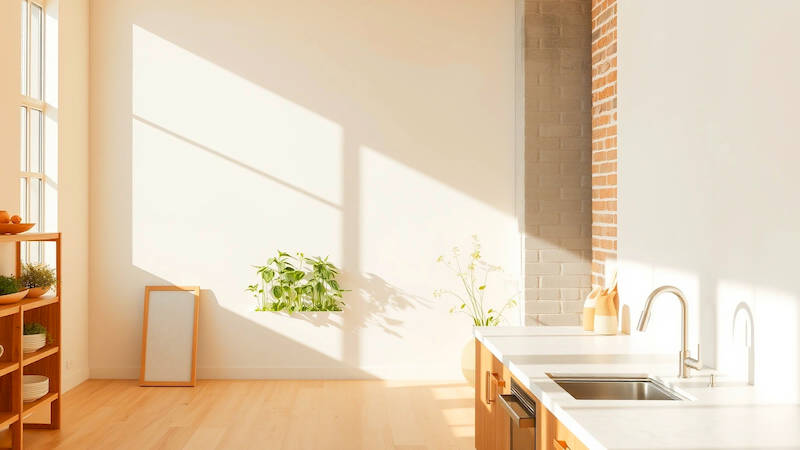
The pursuit of minimalism isn’t simply about decluttering possessions; it’s increasingly becoming a lifestyle intrinsically linked with sustainability. As awareness grows surrounding environmental impact, homeowners are seeking ways to reduce their footprint, not just in consumption, but also in how they build and maintain their living spaces. Minimalist home renovations, centered around reclaimed and sustainable materials, offer a powerful pathway toward both a calmer, more intentional home and a healthier planet. Moving beyond fleeting trends, this approach emphasizes quality, longevity, and respect for resources, creating a home that is beautiful, functional, and responsible.
The traditional construction industry is a significant contributor to global waste and carbon emissions. Using virgin materials demands substantial energy for extraction, processing, and transportation. A growing body of research highlights the environmental benefits of incorporating reclaimed materials, often exceeding those of simply recycling. In fact, a 2019 study by the Yale School of the Environment found that reusing building materials can reduce embodied carbon by up to 90% compared to using new materials. Embracing this methodology isn’t just ‘greenwashing’; it’s a fundamental shift in perspective—seeing value and potential in what already exists.
- Sourcing Reclaimed Materials: Beyond the Salvage Yard
- Deconstructing Instead of Demolishing: The Gentle Renovation
- Sustainable Flooring Options: From Reclaimed Wood to Bamboo
- Natural & Low-VOC Finishes: Breathing Easy in Your Minimalist Space
- Reimagining Kitchens and Bathrooms Sustainably
- Embracing the Wabi-Sabi Aesthetic: Imperfection as Beauty
Sourcing Reclaimed Materials: Beyond the Salvage Yard
Finding reclaimed materials requires a bit of effort, but the rewards—unique aesthetics, reduced environmental impact, and often, cost savings—are well worth it. The traditional image of the dusty salvage yard is still relevant, but today’s sources are far more diverse. Online marketplaces dedicated to reclaimed building materials are flourishing, connecting buyers and sellers across wider geographical areas. Platforms like Craigslist, Facebook Marketplace, and specialized sites such as GovPlanet (for government surplus) can yield surprising finds. Don’t overlook local architectural salvage companies; they often specialize in specific eras or styles.
Developing relationships with local demolition contractors is also a fruitful strategy. They are often keen to find homes for reusable materials rather than sending them to landfill. Be prepared to be proactive and flexible; reclaimed materials rarely come in standard sizes or quantities. A successful project requires a degree of adaptability in design and a willingness to work with the material’s inherent characteristics, rather than forcing it to conform to a preconceived plan. Remember to carefully inspect any reclaimed material for structural integrity and potential hazards (like lead paint or asbestos) before incorporating it into your renovation.
Deconstructing Instead of Demolishing: The Gentle Renovation
A key tenet of sustainable minimalism is to minimize waste during the renovation process itself. Instead of simply demolishing unwanted structures or features, consider deconstruction. Deconstruction involves carefully dismantling components with the intention of reuse, whereas demolition is often rapid and destructive. While more labor-intensive, deconstruction preserves materials in better condition and expands the possibilities for repurposing.
This approach isn’t limited to large structures. Even within a room, consider carefully removing elements like doors, windows, or built-in cabinetry rather than ripping them out. These components can often be refinished, repurposed, or sold. Deconstruction benefits not only the environment but also skilled tradespeople. “Deconstruction creates jobs requiring more skill than demolition, and contributes to a circular economy,” explains Sarah Pike, founder of ReStore, a Habitat for Humanity retail outlet specializing in reclaimed building materials. Plan your renovation with deconstruction in mind from the outset, including adequate time and labor costs in your budget.
Sustainable Flooring Options: From Reclaimed Wood to Bamboo
Flooring presents an excellent opportunity to embrace both minimalist aesthetics and eco-friendly materials. Reclaimed wood flooring is arguably the most popular choice, offering character, warmth, and a compelling story. Salvaged from barns, factories, or even underwater logging operations, reclaimed wood possesses a patina and structural integrity that often exceeds that of new lumber. Consider sourcing locally to minimize transportation costs and support regional economies.
However, reclaimed wood isn't the only sustainable option. Bamboo flooring is a rapidly renewable resource, growing much faster than hardwood trees. It’s durable, versatile, and available in a variety of styles and finishes. Cork flooring, harvested from the bark of cork oak trees without harming the tree, is another excellent choice – naturally antimicrobial, resilient, and comfortable underfoot. Linoleum, made from natural materials like linseed oil, wood flour, and rosin, is a durable and biodegradable alternative to vinyl flooring. Carefully consider the lifecycle of any flooring material, factoring in its sourcing, manufacturing, and eventual disposal.
Natural & Low-VOC Finishes: Breathing Easy in Your Minimalist Space
Even the most sustainably sourced materials can lose their eco-credentials if finished with toxic paints, varnishes, or adhesives. Traditional finishes often contain volatile organic compounds (VOCs), which can off-gas into your home, contributing to indoor air pollution. Fortunately, a growing range of natural and low-VOC alternatives are available.
Clay paints, made from natural clays, pigments, and binders, create a breathable, textured finish. Lime washes, another ancient technique, offer a similar aesthetic and antimicrobial properties. For wood finishes, opt for oil-based finishes made from natural oils (linseed, tung) or water-based polyurethanes with low or zero VOCs. When choosing adhesives, look for products labeled as “Formaldehyde-free” and “low-VOC.” Remember that “greenwashing” is prevalent, so carefully review product labels and look for certifications from independent organizations like GreenGuard or EcoLogo.
Reimagining Kitchens and Bathrooms Sustainably
Kitchens and bathrooms are often the most resource-intensive spaces in a home. Renovating these areas sustainably requires a creative approach to material selection and design. Consider repurposing existing cabinetry with fresh paint or new hardware rather than replacing it entirely. If replacement is necessary, explore options like FSC-certified (Forest Stewardship Council) wood or cabinets made from reclaimed wood.
Instead of conventional countertops, explore sustainable alternatives like recycled glass, concrete (with recycled aggregates), or solid surface materials made from recycled content. In bathrooms, salvaged clawfoot tubs and vintage sinks can add character and reduce waste. Water-saving fixtures—low-flow showers, dual-flush toilets—are essential for minimizing water consumption. Focus on quality and durability; investing in well-made, sustainable fixtures will reduce the need for replacements over time.
Embracing the Wabi-Sabi Aesthetic: Imperfection as Beauty
Perhaps the most profound shift in perspective when undertaking minimalist home renovations with reclaimed materials is embracing the beauty of imperfection. The Wabi-Sabi philosophy, rooted in Japanese aesthetics, celebrates the transience of life and the beauty of impermanence. Reclaimed materials often bear the marks of their past—knots, cracks, variations in color—which are not flaws, but rather testament to their history and unique character.
This acceptance of imperfection extends to the renovation process itself. Don’t strive for sterile perfection; embrace the natural variations and authentic details that reclaimed materials bring. A slightly uneven floorboard, a patched repair, or a visible grain pattern can add depth, warmth, and a sense of story to your home. By letting go of the pursuit of flawlessness, you create a space that is not only sustainable but also deeply personal and meaningful.
In conclusion, minimalist home renovations utilizing reclaimed and sustainable materials represent a powerful synergy between mindful living and environmental responsibility. It’s a holistic approach that extends beyond mere aesthetics, encompassing material sourcing, deconstruction practices, finish selection, and a fundamental shift in aesthetic values. By prioritizing durability, longevity, and the inherent beauty of imperfection, we can create homes that are not only visually appealing but also contribute to a healthier planet. The key takeaway is to be proactive in sourcing materials, embracing the creative challenges of repurposing, and adopting a mindset that values quality over quantity. Beginning with a thorough assessment of your existing structure, followed by careful planning and a willingness to adapt, is the first step towards building a truly sustainable and minimalist sanctuary.
Deja una respuesta