
How to Use Kitchen Staples for Instant Flavor Boosts
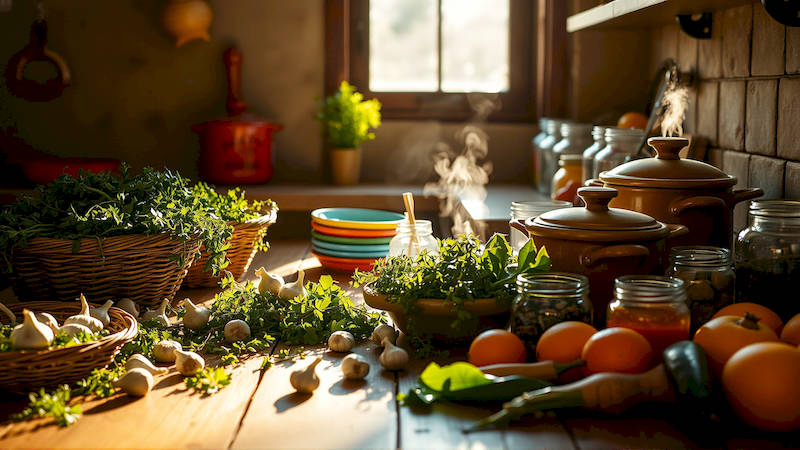
The modern kitchen, despite its technological advancements, often falls prey to overcomplication. We’re encouraged to buy specialized ingredients for specific recipes, sometimes overlooking the incredible power already residing within our pantry. The truth is, many flavor complexities chefs strive for can be unlocked using humble, everyday staples. This isn’t about sacrificing quality or sophistication; it's about understanding the nuanced roles these ingredients can play beyond their primary purpose. Mastering these techniques allows for faster, more flavorful cooking, reduces food waste, and ultimately, empowers you to become a more confident and creative home cook.
For too long, flavor building has been perceived as a complex art reserved for professionals. The proliferation of cooking shows, while inspirational, can ironically create a barrier for home cooks. They see elaborate techniques and exotic ingredients and assume that delicious food requires exhaustive effort. However, the foundation of superb flavor lies in understanding how basic components interact. These interactions, enhanced by strategically using pantry staples, allow us to elevate even the most rudimentary dishes. This article will delve into the art of maximizing flavor using items you likely already have, providing practical techniques and insights to transform your everyday cooking.
Investing time in these simple techniques pays dividends. Not only will your food taste better, but you’ll become more intuitive in the kitchen, less reliant on recipes, and more capable of adapting on the fly. This is the core of confident cooking, and it all starts with unlocking the hidden potential in your pantry. The goal isn’t to replace specialty ingredients entirely, but to equip you with the tools to create consistently flavorful meals even when you’re short on time or inspiration.
- The Magic of Acids: Vinegar, Lemon Juice & Beyond
- Salt: More Than Just a Seasoning
- The Umami Powerhouse: Soy Sauce, Worcestershire & Tomato Paste
- Spice Rack Alchemy: Paprika, Cumin & Chili Powder
- The Power of Aromatics: Onions, Garlic & Herbs
- The Finishing Touch: Broth, Stock & Wine
- Conclusion: Embracing Flavorful Simplicity
The Magic of Acids: Vinegar, Lemon Juice & Beyond
Acidity is arguably the single most impactful flavor enhancer in the kitchen. It brightens, balances, and cuts through richness, preventing dishes from falling flat. While wine vinegars (red, white, sherry) are staples, don’t underestimate the power of less-expensive options like distilled white vinegar. A splash in tomato sauce mellows the acidity of the tomatoes and adds depth. Lemon juice, of course, is a universal brightener – excellent in everything from marinades for fish to dressings for salads. Beyond lemons, lime juice delivers a vibrant, slightly more floral acidity, perfect for Southeast Asian-inspired dishes.
The key to employing acids isn't simply adding them; it’s understanding when to add them. Adding an acid component towards the end of cooking preserves its brightness. Consider a simple bean stew: adding a tablespoon of red wine vinegar in the final five minutes will lift the entire dish rather than stewing it with the vinegar from the beginning, which can result in a muted, less vibrant flavor. Furthermore, experimenting with different acidic components allows for nuanced flavor profiles. Apple cider vinegar offers a fruity sweetness alongside its acidity, while balsamic vinegar provides a syrupy richness.
Don’t limit acids to liquid form. Pickled ingredients—like capers, olives, or even sliced pickles—provide a concentrated punch of acidity and umami. A few chopped capers added to a pasta sauce, or a sprinkle of chopped pickles atop a burger, adds a delightful tang that elevates the dish. Thinking beyond the bottle unlocks a wider range of acidic possibilities, making for a more interesting and complex final result.
Salt: More Than Just a Seasoning
We all know salt seasons food, but truly understanding how salt works is crucial for masterful flavor building. It's not simply about making things "salty"; salt enhances existing flavors, suppresses bitterness, and balances sweetness. Kosher salt, with its larger crystals, is preferred by many chefs for its ease of use and ability to distribute evenly. However, fine sea salt has its place, particularly for finishing dishes where a delicate, visible sprinkle is desired. The timing of salting is paramount: seasoning in layers throughout the cooking process builds the most complex flavor.
The impact salt has on protein is especially significant. Salting meat (or even chicken or fish) well in advance of cooking – a process known as dry brining – allows the salt to penetrate the muscle fibers, breaking them down and resulting in a more tender and flavorful final product. This also improves the meat’s ability to retain moisture during cooking. This isn’t limited to large cuts; even salting ground meat 30 minutes before forming burgers makes a noticeable difference. Another oft-overlooked benefit of salt is its ability to act as a flavor carrier, helping to blend and meld other seasonings together.
But, be mindful of salt content! Many processed foods are already high in sodium. Tasting as you go—and adjusting accordingly—is key. Consider the saltiness of other ingredients, like soy sauce or cured meats, when seasoning your dish.
The Umami Powerhouse: Soy Sauce, Worcestershire & Tomato Paste
Umami, often described as a savory, meaty flavor, is the fifth taste alongside sweet, sour, salty, and bitter. It’s the secret weapon behind many complex and satisfying dishes. Soy sauce, in its various forms (light, dark, low-sodium) is a readily available umami bomb, offering depth and complexity to marinades, sauces, and even soups. Worcestershire sauce, a fermented condiment, is another potent source of umami, packed with savory notes and subtle sweetness. A few dashes can add incredible richness to stews, gravy, or even a simple burger patty.
Tomato paste, often relegated to the back of the pantry, is a surprisingly versatile umami booster. Its concentrated tomato flavor adds depth and richness to sauces, soups, and braises. The trick is to cook the tomato paste first. Sautéing it in oil for a few minutes before adding other liquids caramelizes the sugars, intensifying the flavor and eliminating any metallic aftertaste. This simple step transforms tomato paste from a basic ingredient into a foundational element of flavor. Furthermore, combining these umami-rich ingredients can create synergistic effects.
Consider adding a teaspoon of soy sauce to your tomato sauce; it won’t necessarily taste “soy-saucy,” but it will deepen the overall savory flavor. Similarly, a dash of Worcestershire sauce in a beef stew adds a wonderful complexity. Don’t be afraid to experiment and explore these combinations—you might be surprised by the results.
Spice Rack Alchemy: Paprika, Cumin & Chili Powder
Beyond simply adding heat, spices offer a world of flavor complexity. Paprika, available in sweet, smoked, and hot varieties, adds depth and color to countless dishes. Smoked paprika, in particular, imparts a delicious smoky flavor without the need for actual smoking. Cumin, a staple in many global cuisines, offers a warm, earthy flavor that pairs well with meats, vegetables, and legumes. Chili powder, a blend of ground chilies and other spices, provides heat and complexity, but pay attention to the blend—some chili powders are milder than others.
The key to maximizing spice flavor lies in “blooming” them. Heating whole or ground spices in oil before adding other ingredients releases their essential oils, intensifying their aroma and flavor. Toasting whole spices in a dry pan for a few minutes before grinding them provides an even more pronounced result. Furthermore, consider the interplay between different spices. Cumin and chili powder are classic companions, but don’t be afraid to experiment with other combinations. A pinch of cinnamon in chili adds a subtle warmth and complexity, while a dash of nutmeg enhances the flavor of béchamel sauce.
Blending your own spice mixes allows for complete control over the final flavor profile. Starting with a base of common spices like paprika, cumin, garlic powder, and onion powder, you can create custom blends tailored to your specific tastes and recipes.
The Power of Aromatics: Onions, Garlic & Herbs
While often taken for granted, aromatics—onions, garlic, and herbs—form the foundational layer of flavor in many cuisines. Onions, whether yellow, white, or red, add sweetness, depth, and complexity to dishes. Garlic provides a pungent aroma and a sharp, savory flavor. Fresh herbs, like parsley, cilantro, thyme, and rosemary, offer bright, vibrant flavors and aromatic complexity. The key is to use them strategically and in the correct form.
The way you prepare aromatics significantly impacts their flavor. Slowly caramelizing onions develops their natural sweetness, creating a rich and flavorful base for sauces and soups. Garlic, on the other hand, can become bitter if burned. Adding garlic towards the end of cooking preserves its pungency. When it comes to fresh herbs, consider when to add them. Hearty herbs like rosemary and thyme can be added early in the cooking process, while delicate herbs like parsley and cilantro are best added at the end to preserve their freshness.
Don’t overlook the use of herb stems. Adding them to soups and stews imparts flavor without altering the texture of the dish. Herbs can also be infused into oils and vinegars, creating flavorful condiments that can be used to brighten up any meal.
The Finishing Touch: Broth, Stock & Wine
The final touches are often what elevate a dish from good to exceptional. A splash of broth or stock added towards the end of cooking can deepen the flavor and add richness. Chicken stock is a versatile option, while beef stock provides a more robust flavor. Vegetable broth is a great vegan option, adding umami and complexity without the use of animal products. Using homemade stock is ideal, but high-quality store-bought varieties can also be effective.
Deglazing the pan with wine—particularly dry white or red wine—after sautéing meat or vegetables adds depth and complexity. The wine picks up the browned bits stuck to the bottom of the pan (fond) creating a flavorful base for sauces. Reduce the wine until it’s almost dry, concentrating the flavor. Finally, a pat of butter whisked into a sauce at the end adds richness and a silky smooth texture.
These finishing touches aren’t just about adding flavor—they’re about creating a harmonious balance of flavors that lingers on the palate.
Conclusion: Embracing Flavorful Simplicity
Unlocking the flavor potential of your kitchen staples isn't about following complicated recipes or acquiring expensive ingredients. It’s about understanding the fundamental principles of flavor building and learning to leverage the ingredients you already have. By mastering techniques like strategically using acids, properly salting, leveraging umami, blooming spices, incorporating aromatics, and utilizing finishing touches, you can transform simple dishes into culinary delights.
The core takeaway is that flavor is not something you add, but something you build. Be mindful of the timing of adding ingredients, experiment with different combinations, and always taste as you go. Don’t be afraid to deviate from recipes and find what works best for your palate. Start by focusing on one or two of these techniques each week, gradually incorporating them into your cooking routine. With a little practice, you'll find that you can consistently create remarkably flavorful meals—effortlessly and economically—using the power of your pantry. The journey to becoming a more confident, flavorful cook starts with recognizing the potential that's already within your reach.
Deja una respuesta