
How to Make Homemade Broth Using Vegetable Scraps
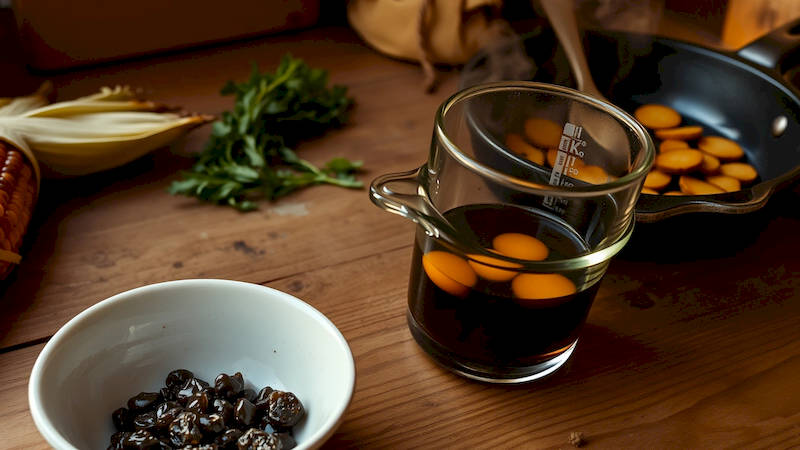
The kitchen is often a source of waste, a paradox considering it’s where we create nourishment. Peels, stems, and ends of vegetables – often tossed aside – hold a remarkable potential: flavourful, nutrient-rich broth. For generations, resourceful cooks have understood this, utilizing what others discard to create a culinary foundation that elevates soups, stews, sauces, and even simple cooking tasks like steaming vegetables. Making broth from vegetable scraps isn’t just a cost-saving measure; it’s a commitment to reducing food waste, maximizing flavour, and nourishing your body with homemade goodness. It’s a simple change that delivers a significant return in both culinary experience and environmental impact.
Beyond the practical benefits of reducing waste and saving money, homemade broth surpasses commercially produced options in both flavour and nutritional value. Store-bought broths often contain high levels of sodium, artificial flavours, and preservatives. Creating your own allows you to control the ingredients entirely, tailoring the flavour profile to your preferences and ensuring a product brimming with the vitamins and minerals leached from the vegetables during simmering. This practice connects us to a more sustainable and mindful approach to cooking, recalling a time when resourcefulness was a necessity and not a trend.
This detailed guide will equip you with everything you need to transform your kitchen scraps into liquid gold, from understanding the best vegetables to use to mastering the simmering process and storing your finished broth for maximum freshness. It will move beyond simple instructions and delve into the “why” behind each step, empowering you to create incredible broth consistently. Let's unlock the potential hidden within your kitchen waste.
- Building Your Scrap Collection: Which Vegetables Work Best?
- The Broth-Making Process: Simmering to Perfection
- Straining and Seasoning: From Pot to Perfection
- Storage Solutions: Keeping Your Broth Fresh
- Beyond the Soup Pot: Versatile Uses for Vegetable Broth
- Troubleshooting: Common Issues and How to Fix Them
- Conclusion: Embracing the Art of Homemade Broth
Building Your Scrap Collection: Which Vegetables Work Best?
The beauty of vegetable broth lies in its versatility—almost any vegetable scrap can contribute to the flavorful base. However, certain vegetables lend themselves particularly well to creating a well-rounded and nuanced broth. Root vegetables, like carrot peels, onion skins (washed thoroughly!), and the ends of parsnips, provide a sweet and earthy foundation. Broccoli stems, cauliflower leaves, and the outer layers of cabbage contribute a slightly bitter depth that balances the sweetness. Mushroom stems, often discarded, impart a savory, umami-rich flavour essential for a complex broth.
Cruciferous vegetables like Brussels sprouts and kale can sometimes impart a stronger flavor that isn’t to everyone’s liking, so it's best to use them sparingly or combine them with a larger quantity of more neutral-flavored scraps. Avoid strong-flavored vegetables like beets, as they can dominate the broth and give it an undesirable colour. Similarly, avoid overly starchy vegetables like potatoes – while a small amount isn’t harmful, they can create a cloudy and less flavourful result. The key is balance; a mix of sweet, earthy, and savory scraps creates a truly exceptional broth. A great starting point is a collection primarily focusing on onion, carrot, celery, mushroom stems, and garlic ends.
Storing your scraps properly is crucial. A dedicated freezer bag or container is best. As you accumulate scraps from your cooking, add them to the bag. Freezing prevents them from spoiling and allows you to build up a substantial quantity before you’re ready to make broth. Remember to label the bag with the date to keep track of how long they've been stored. A well-stocked scrap freezer is the first step towards consistently having delicious homemade broth on hand.
The Broth-Making Process: Simmering to Perfection
Once you’ve accumulated a good amount of vegetable scraps (aim for a large freezer bag full), it’s time to transform them into broth. Begin by placing the scraps into a large stockpot or Dutch oven. A general guideline is to fill the pot about three-quarters full with scraps. Next, cover the scraps with cold water – typically 8-12 cups, depending on the size of your pot. Cold water is essential as it allows for a gradual extraction of flavour from the vegetables.
To further enhance the flavor profile, add aromatics. A few cloves of garlic (smashed, not minced), a bay leaf, a few peppercorns, and a sprig of fresh thyme or parsley add complexity and depth. Don't be afraid to experiment with other herbs and spices - a small piece of ginger, a star anise, or a few juniper berries can create unique and interesting results. Bring the mixture to a boil over high heat, then immediately reduce the heat to low, cover the pot, and simmer gently for at least 60-90 minutes, and up to 3 hours for a richer, more intense flavour. The longer simmer time allows for maximum flavour extraction.
A common mistake is to boil the broth vigorously. This can result in a cloudy broth with a bitter taste. Slow, gentle simmering is key to a clear, flavorful result. Midway through simmering, skim off any foam or impurities that rise to the surface. This will contribute to a clearer final product. This skimming process isn't just aesthetic; it removes proteins and fats that can contribute to off-flavours.
Straining and Seasoning: From Pot to Perfection
After simmering, it's time to separate the flavorful liquid from the spent vegetables. This is where a fine-mesh sieve lined with cheesecloth comes in handy. Place the sieve over a large bowl or pot and carefully pour the broth through it. This ensures a beautifully clear broth, free of any solids. Discard the strained vegetables – they’ve given their all! Resist the temptation to squeeze the vegetables to extract more liquid, as this can release bitter compounds.
Seasoning is the final step in perfecting your homemade broth. While it’s tempting to add salt immediately, it’s best to wait until the broth has cooled slightly. This prevents the salt from being over concentrated as the liquid reduces during cooling. Start with a small amount of salt (about 1 teaspoon per 4 cups of broth) and taste, adjusting as needed. Remember that the broth will further concentrate in flavour as it sits, so it’s better to under-season initially. Consider adding a pinch of black pepper or a dash of lemon juice to brighten the flavour. Experiment with different herbs and spices at this stage to tailor the broth to your specific needs.
Ultimately, the seasoning should enhance the natural flavour of the vegetables, not mask it. A subtle, well-balanced broth is far more versatile than one that's overly seasoned.
Storage Solutions: Keeping Your Broth Fresh
Proper storage is essential to maintaining the quality and extending the life of your homemade vegetable broth. Once cooled completely, the broth can be stored in several ways. For immediate use (within 3-4 days), store it in an airtight container in the refrigerator. For longer-term storage, freezing is the best option.
There are several convenient ways to freeze broth. You can pour it into freezer-safe containers, leaving some headspace to allow for expansion. Alternatively, and a particularly space-saving method, is to freeze the broth in ice cube trays. Once frozen, transfer the cubes to a freezer bag. This allows you to easily portion out small amounts of broth for specific recipes. A standard ice cube tray yields about 1/2 cup frozen broth cubes – perfect for deglazing a pan or adding to a sauce.
Properly frozen broth can last for up to 3 months while maintaining its flavour and nutritional value. When thawing, it’s best to do so slowly in the refrigerator overnight. Avoid thawing at room temperature, as this can encourage bacterial growth. Always inspect the broth before using. If it smells off or looks discoloured, discard it.
Beyond the Soup Pot: Versatile Uses for Vegetable Broth
While vegetable broth is a quintessential ingredient in soups and stews, its versatility extends far beyond these classic applications. Use it as a base for sauces, risottos, and gravies, adding depth and complexity to these dishes. Deglaze a pan with a splash of broth after sautéing vegetables or meat, lifting the flavorful browned bits from the bottom and creating a delicious pan sauce.
Steaming vegetables with vegetable broth instead of water imparts a subtle but noticeable flavour enhancement. Replace the water in recipes for polenta or quinoa with broth for a more flavorful and nutritious result. It can also be used to cook grains like rice, adding a pleasant savoury note. Chefs often use a concentrated vegetable stock, made by further reducing the broth, to intensify flavours in sauces and braises.
Consider the case of a humble mushroom risotto. Using a high-quality homemade vegetable broth, infused with the umami of mushroom stems, transforms the dish from comforting to extraordinary. Similarly, a simple pan sauce for roasted chicken, created by deglazing with vegetable broth, can elevate the entire meal.
Troubleshooting: Common Issues and How to Fix Them
Even with the best intentions, things can occasionally go awry when making vegetable broth. One common issue is a cloudy broth. This is often caused by boiling too vigorously or by disturbing the sediment during straining. Gentle simmering and careful straining minimize cloudiness. Another issue is a bitter flavour. This can be caused by over-boiling or by including bitter vegetables like too much kale or Brussels sprouts.
If your broth lacks flavour, it may be necessary to simmer it for a longer period or to add more aromatic vegetables like onions and carrots. If the flavour is too weak, consider concentrating the broth by simmering it uncovered for a period of time to reduce the liquid. Always taste and adjust seasoning throughout the process.
Finally, if your broth develops an unpleasant odour, it’s likely spoiled and should be discarded. Proper storage and handling are essential to prevent spoilage.
Conclusion: Embracing the Art of Homemade Broth
Making homemade broth from vegetable scraps is a deeply rewarding practice, a testament to the principles of sustainability, resourcefulness, and flavour. It's a tangible way to reduce food waste, save money, and nourish your body with a healthy, nutrient-rich food. By understanding which scraps work best, mastering the simmering process, and experimenting with flavour combinations, you can create a culinary foundation that elevates your cooking to new heights.
The key takeaways are simple: consistently collect vegetable scraps, prioritize gentle simmering, and don't be afraid to experiment with aromatics. Take the first step today—start a scrap freezer and commit to making your own broth. You'll quickly discover that this seemingly small change can have a significant impact on your kitchen, your health, and the planet. The next time you peel a carrot or chop an onion, remember the hidden potential within the scraps and transform them into liquid gold – a flavourful reminder of the power of mindful cooking.
Deja una respuesta