
Organizing Pet Supplies: Creating a Dedicated Storage Station
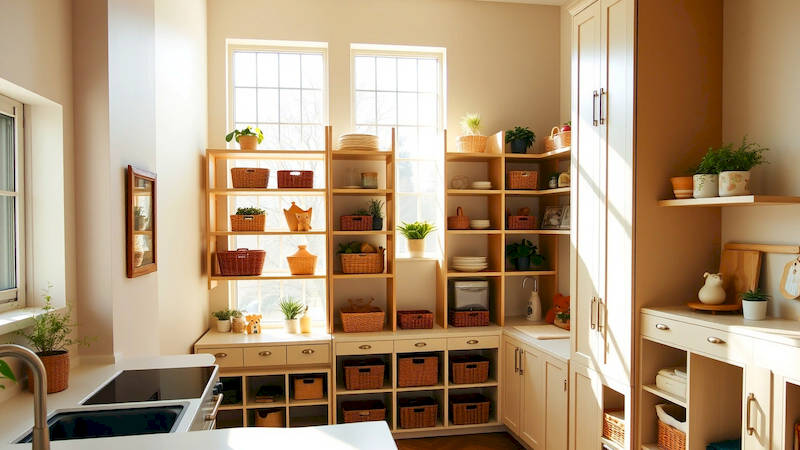
The joy of pet ownership is immense, filling our lives with companionship, laughter, and unconditional love. However, this joy often comes with an inevitable side effect – a proliferation of stuff. From bags of food and treats to toys, grooming supplies, and medical essentials, pet supplies can quickly take over valuable space in our homes. The resulting clutter is not only visually unappealing but can also lead to stress, lost items, and even potential hazards for both pets and humans. A well-organized pet supply station isn't just about aesthetics; it’s about streamlining pet care, ensuring quick access to vital necessities, and creating a more peaceful and functional living environment.
Many pet owners struggle with this organizational challenge, often resorting to haphazardly stashing supplies in closets, corners, or even under furniture. According to a recent survey by the American Pet Products Association (APPA), over 68% of pet owners admit to feeling overwhelmed by the amount of pet-related items they accumulate. This points to a real need for effective organizational strategies. Implementing a dedicated storage station isn't complex or expensive; it simply requires planning, a bit of effort, and a commitment to maintaining the system. This article will guide you through creating a functional and aesthetically pleasing pet supply storage solution tailored to your needs.
Assessing Your Needs & Space
Before you rush out to buy storage containers, the crucial first step is a thorough assessment of your pet’s needs and the available space. Consider the type of pet you have – a dog, cat, bird, reptile – will significantly impact the types and quantities of supplies you’ll be storing. A large dog will require much more food storage and potentially bulky toys than a goldfish, for example. Additionally, inventory everything you currently own. Be honest about what you actually use versus what’s simply been collecting dust. Discard expired food, broken toys, or items your pet has outgrown. This decluttering phase is essential for maximizing the efficiency of your storage system.
Next, evaluate your space. Do you have a dedicated mudroom, laundry room, or spare closet that would be ideal? Perhaps a corner of the kitchen or living room will suffice. Measure the area to determine the maximum dimensions for storage units. It's often surprisingly easy to underestimate available space, so accurate measurements are paramount. Consider vertical space as well – shelving units can significantly increase storage capacity without taking up excessive floor space. Think about accessibility. Supplies used daily, like food and leash, should be readily available, while less frequently used items can be stored higher up or further back.
Finally, consider your aesthetic preferences. The pet supply station doesn’t have to be an eyesore. Integrating storage solutions that complement your home décor will make the space more pleasant and encourage you to maintain organization. Don't underestimate the power of visually appealing storage!
Choosing the Right Storage Solutions
Once you’ve assessed your needs and space, it's time to select the appropriate storage solutions. The options are seemingly endless, ranging from simple plastic bins to custom-built cabinetry. For dry food, airtight containers are essential to maintain freshness and protect against pests. Clear containers allow you to easily see the contents and monitor how much food remains. Consider containers with wheels for easy mobility, especially for larger bags. For smaller items like treats, grooming tools, and medications, drawer organizers, stackable bins, or even repurposed shoeboxes can work wonders.
Beyond basic containers, think about specialized storage options. A rolling cart can be a fantastic solution for storing frequently used items like leashes, collars, poop bags, and grooming supplies, allowing you to easily move them from room to room. Wall-mounted organizers, like hooks or shelves, can free up floor space and are ideal for storing leashes, toys, or even pet outfits. For medications and first-aid supplies, a dedicated, lockable cabinet is crucial for safety and to prevent accidental ingestion by pets or children. Remember, functionality should always be the priority, but don’t shy away from solutions that also look good!
Choosing durable materials is also important. Plastic bins are lightweight and affordable, but metal or wooden containers can offer a more sophisticated look and greater longevity. Focus on maximizing space and creating a system that will work for the long term.
Zoning Your Pet Supply Station
Effective organization relies on the principle of zoning – grouping similar items together. This makes it easier to locate what you need quickly and efficiently. Establish designated zones within your pet supply station based on categories: Food & Treats, Grooming, Healthcare, Toys, and Outdoor Gear. Within the “Food & Treats” zone, further segment by pet (if you have multiple animals) and food type (dry, wet, treats).
Consider using labels to clearly identify each zone and the contents of containers. This is particularly helpful if multiple family members are responsible for pet care. For example, within the "Healthcare" zone, you might have specific containers labeled “Medications - Daily,” “First Aid,” and “Vet Records.” For the “Toys” zone, you could separate plush toys, chew toys, and interactive puzzles. A visual system, like color-coding, can also be effective. A quote from professional organizer Marie Kondo highlights this principle: "The question isn’t what item to discard; it’s which item to keep." Apply this mindset to pet supplies – only keep what truly adds value and joy to your pet's life.
Remember that flexibility is key. As your pet’s needs evolve, you may need to adjust your zoning system accordingly. Regularly reassess your organization to ensure it continues to meet your changing requirements.
Maintaining Cleanliness & Hygiene
A pet supply station isn't just about organization, it's also about hygiene. Pet supplies can harbor germs, odors, and allergens. Regular cleaning is vital to maintain a healthy environment for both your pets and your family. Food and water bowls should be washed daily with soap and hot water. Storage containers should be wiped down regularly to prevent the buildup of dust and debris.
Pay particular attention to cleaning areas where pet food is stored or dispensed. Crumbs and spills can attract pests. Vacuum or sweep the floor around the storage station frequently. Additionally, consider using deodorizing products specifically designed for pet areas to neutralize odors. For fabric items like beds and blankets, regular washing is essential. If your pet has allergies, hypoallergenic cleaning products are recommended.
Furthermore, inspect pet toys regularly for damage and discard any that are broken or pose a choking hazard. A clean and hygienic pet supply station demonstrates responsible pet ownership and contributes to the overall health and well-being of your furry friend. Proper hygiene isn't simply cosmetic; it’s a critical component of preventative healthcare.
Adapting for Specific Pet Types
The ideal pet supply station will differ significantly depending on the type of pet you have. For example, a dog owner may need to prioritize storage for leashes, harnesses, waste bags, and chew toys. A cat owner may focus on litter box supplies, scratching posts, and catnip toys. Small animal owners (birds, hamsters, rabbits) require specific enclosures, bedding, and food sources. Reptile owners will need temperature control systems, specialized lighting, and appropriate substrates.
Consider the unique needs of your pet when designing your storage solution. For instance, reptile owners should prioritize secure enclosures to prevent escapes. Bird owners should allocate space for multiple perches and toys. Small animal owners need to ensure adequate ventilation and accessibility for cleaning. Don't try to apply a one-size-fits-all approach. Tailor the system to your pet's specific requirements. A study published in the Journal of Veterinary Behavior found that pets thrive in environments that cater to their natural instincts, and a well-organized and species-appropriate supply station can contribute to this.
Beyond the Basics: Adding Personal Touches
While functionality is paramount, don’t be afraid to add personal touches to your pet supply station. A framed photo of your beloved companion, a cozy pet bed, or a decorative rug can make the space more inviting. Coordinating storage containers with your home décor can also create a more cohesive look.
Consider incorporating a designated area for pet memorabilia, such as collars, tags, or paw print artwork. This adds a sentimental element to the space and celebrates the bond you share with your pet. You could even create a small "pet spa" area with grooming tools and comfortable seating for pampering sessions. A well-designed pet supply station can be both practical and aesthetically pleasing, integrating seamlessly into your home environment. Remember, it's not just a storage area; it's a testament to your love and dedication to your furry, scaled, or feathered friend.
Conclusion: A Space for Pet Happiness and Your Peace of Mind
Organizing pet supplies and creating a dedicated storage station is an investment in both your pet’s well-being and your own peace of mind. By systematically assessing your needs, choosing the right storage solutions, and establishing clear zones, you can transform a cluttered mess into a functional and aesthetically pleasing space. Maintaining cleanliness and hygiene is paramount, as is adapting the system to your pet’s specific needs. Remember to declutter regularly, discarding expired or unused items, and embrace the principle of “keep only what sparks joy” (for both you and your pet!).
The benefits of an organized pet supply station extend far beyond aesthetics. It streamlines pet care, saves time and frustration, prevents lost items, and creates a safer and more comfortable environment for everyone. Take the actionable steps outlined in this article – start by decluttering, then assess your space, choose your storage, and zone your supplies. A little effort upfront will yield significant rewards in the long run, fostering a more harmonious relationship with your pet and a more peaceful home environment.
Deja una respuesta