
How to Host a Minimalist, Eco-Friendly Dinner Party
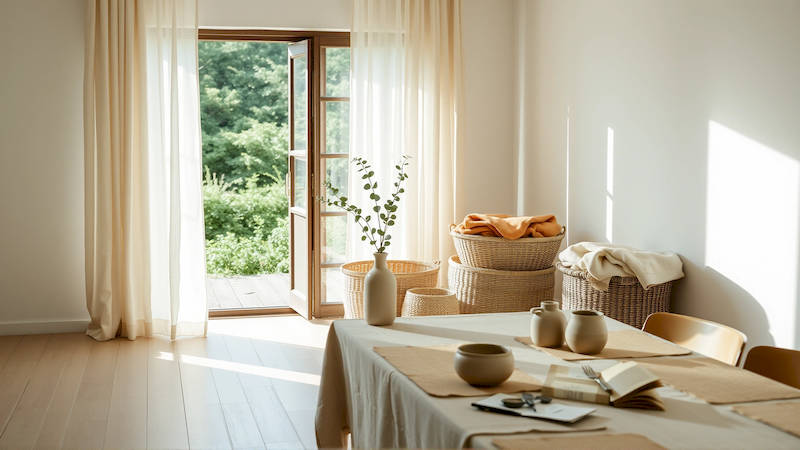
The idea of a dinner party often conjures images of overflowing tables, elaborate decorations, and a mountain of dishes afterward. But what if you could enjoy the warmth of hosting without contributing to the cycle of consumption and waste? In a world increasingly aware of its environmental impact, hosting a dinner party that aligns with minimalist and eco-friendly principles isn't just a trend – it's a responsible and surprisingly rewarding way to connect with loved ones. It’s about shifting the focus from more to meaningful, from impressing to connecting, and from disposable to durable.
This approach isn’t about deprivation; it’s about intentionality. It’s about carefully curating an experience that prioritizes quality time, delicious food, and mindful consumption. The beauty of a minimalist and eco-friendly dinner party lies in its simplicity and depth, allowing for genuine connection and appreciation without the clutter of excess. It’s a philosophy that benefits not only the planet but also your personal well-being - reducing stress and focusing on what truly matters.
This guide will walk you through every step of hosting a gathering that honors both people and the planet, proving that elegant entertaining and mindful living can not only coexist, but beautifully enhance each other. Let's explore how to create a memorable experience that leaves a light footprint.
- Planning a Minimalist Menu: Focusing on Seasonal & Local
- Setting the Table with Intention: Borrowing, Repurposing & Choosing Sustainable Materials
- Reducing Waste: From Grocery Shopping to Leftovers
- Choosing Sustainable Beverages: Supporting Ethical Producers
- Creating an Atmosphere of Connection & Mindful Conversation
- Beyond the Event: Reflections & Continued Practice
Planning a Minimalist Menu: Focusing on Seasonal & Local
The heart of any dinner party is the food, and adopting a minimalist, eco-friendly approach begins with thoughtful menu planning. Instead of aiming for a sprawling buffet of options, focus on a cohesive menu of 3-4 dishes that showcase fresh, seasonal, and – where possible – locally sourced ingredients. This drastically reduces food waste, supports local farmers, and often results in more flavourful and satisfying meals. Consider a one-pot dish, like a hearty vegetable stew or a paella, that minimizes both cooking time and dishes to wash. Utilizing ingredients in multiple dishes, a concept known as 'root-to-stem cooking' further reduces waste.
A key element here is embracing simplicity. Forget complex recipes with long ingredient lists; a beautifully prepared simple dish made with high-quality ingredients often triumphs over an overly complicated one. For example, roasted vegetables with herbs and olive oil, a simple lentil soup, or a seasonal salad with a homemade vinaigrette can be incredibly satisfying. Don't be afraid to ask guests about dietary restrictions or preferences beforehand to tailor the menu and ensure everyone can enjoy the meal. This demonstrates consideration and minimizes the chances of uneaten food.
Furthermore, consider the overall carbon footprint. Meat production has a significant environmental impact, so perhaps make it a focal point only occasionally. When serving meat, choosing sustainably raised options from local sources is crucial. According to a 2018 study by the Environmental Working Group, plant-based meals generally have a significantly lower environmental impact than those containing animal products, making a vegetarian or vegan option entirely, or even partially, a powerfully positive choice.
Setting the Table with Intention: Borrowing, Repurposing & Choosing Sustainable Materials
Forget the need to buy new decorations or fancy tableware for every event. A minimalist eco-friendly tablescape is about utilizing what you already have, borrowing from friends, or choosing sustainable materials. Instead of disposable plates and cutlery, use your everyday dinnerware. If you need extra settings, consider borrowing them from friends or neighbours, fostering a sense of community and reducing the demand for new production. Cloth napkins are a simple yet elegant swap from paper ones, and they add a touch of luxury while being far more sustainable.
Embrace natural elements for decoration. A simple vase of wildflowers gathered from your garden (or sustainably sourced from a local flower farm) is much more impactful than store-bought plastic arrangements. Use candles made from beeswax or soy wax, avoiding paraffin wax which is derived from petroleum. A simple tablecloth made from organic cotton or linen adds texture and warmth without contributing to synthetic waste. “The beauty of simplicity is that it allows the natural textures and colours to take centre stage,” says Marie Kondo, the renowned minimalist organizer, “This creates a calming and inviting atmosphere.”
Avoid single-use plastics entirely. Opt for glass or stainless steel water pitchers instead of plastic bottles. If you're serving condiments, transfer them to reusable glass jars. Carefully consider your lighting choices – dimmed lighting powered by energy-efficient bulbs creates a cozy atmosphere that is also environmentally friendly.
Reducing Waste: From Grocery Shopping to Leftovers
Waste reduction is at the core of both minimalism and eco-friendly living, and your dinner party is a prime opportunity to put these principles into practice. Start with conscientious grocery shopping: create a detailed list based on your menu and stick to it, avoiding impulse purchases that often lead to food waste. Bring your own reusable shopping bags and containers to avoid plastic packaging. Buy in bulk whenever possible, opting for stores that allow you to bring your own containers to fill (zero-waste stores are becoming increasingly popular).
During food preparation, find creative ways to use scraps. Vegetable peels can be used to make vegetable broth, and leftover herbs can be frozen for future use. Compost any unavoidable food waste – this significantly reduces landfill burden and creates nutrient-rich soil for your garden. After the meal, encourage guests to take leftovers home in their own reusable containers. If guests don’t want leftovers, store them properly in glass containers in the refrigerator and plan to use them in subsequent meals.
It’s also crucial to think beyond food waste. Avoid disposable decorations and opt for reusable alternatives. If you use flowers, compost them after the event. Be mindful of packaging when purchasing beverages and choose options with minimal or recyclable packaging. According to the EPA, food waste is the single largest component going into municipal landfills, making concerted efforts to reduce it paramount.
Choosing Sustainable Beverages: Supporting Ethical Producers
Your beverage choices should align with your minimalist, eco-friendly values. Opt for locally brewed beer, wine from organic vineyards, or sustainably sourced coffee and tea. Supporting local producers reduces transportation emissions and bolsters the local economy. Consider offering infused water with fresh herbs and fruit as a refreshing and healthy alternative to sugary drinks, reducing the need for packaged beverages altogether.
When choosing wine, look for certifications like Demeter (biodynamic farming) or organic wine certifications, which indicate that the grapes were grown without synthetic pesticides or herbicides. For coffee and tea, prioritize Fair Trade certifications, which ensure that farmers receive a fair price for their crops and that workers are treated ethically. Avoid single-use plastic water bottles and instead, offer filtered water in a glass pitcher. “Consumers have the power to drive positive change through their purchasing decisions,” states the Sustainable Food Trust, “by supporting producers who prioritize environmental and social responsibility.”
Furthermore, consider the packaging of your beverages. Choose bottles made from recycled glass and encourage guests to recycle them properly. If serving beer, opt for bottles or kegs rather than aluminum cans. Think creatively: homemade lemonade or iced tea made with seasonal fruit is always a delightful and sustainable choice.
Creating an Atmosphere of Connection & Mindful Conversation
The true essence of a dinner party isn’t about the decorations or the food; it's about the connection and conversation shared amongst guests. A minimalist approach naturally fosters this focus. Without the distraction of excessive displays, guests are more likely to engage with each other and enjoy the company. Consider dimming the lights and playing soft, instrumental music to create a relaxing and intimate atmosphere.
Initiate conversations that are meaningful and engaging, encouraging guests to share their thoughts and experiences. Put away your phones and encourage others to do the same, fostering a sense of presence and connection. Games or conversation starters can be helpful in breaking the ice and encouraging interaction. A simple gratitude practice – going around the table and sharing something you're grateful for – can create a positive and uplifting atmosphere.
Ultimately, the goal is to create a space where guests feel comfortable, relaxed, and connected, allowing genuine relationships to flourish. This is perhaps the most significant ecological impact of all – fostering community and strengthening social bonds through intentional and mindful gatherings.
Beyond the Event: Reflections & Continued Practice
Hosting a minimalist, eco-friendly dinner party is not a one-time event but rather a step towards adopting a more sustainable and mindful lifestyle. After the last guest has left, take some time to reflect on what went well and what could be improved for next time. Assess the amount of waste generated and identify areas where you can further reduce your impact. Consider keeping a running list of reusable items you might need for future gatherings to avoid last-minute purchases.
This practice extends beyond dinner parties. Apply the principles of minimalism and sustainability to other areas of your life, such as your home décor, wardrobe, and daily routines. Share your experiences and inspire others to adopt a more mindful approach to hosting and living. “Minimalism isn’t about having less,” says Joshua Fields Millburn and Ryan Nicodemus, authors of Minimalism: Live a Meaningful Life, “It’s about making room for more of what matters.”
By embracing the principles outlined in this guide, you can create memorable and meaningful dinner parties that nourish both your guests and the planet. The shift toward mindful hosting is a small but significant contribution to a more sustainable future, and one that benefits everyone involved.
Deja una respuesta