
Starting a Minimalist Garden for Fresh, Organic Produce
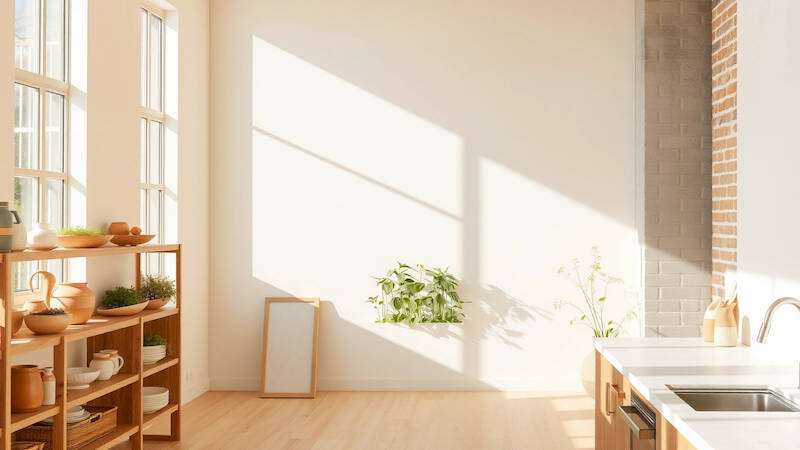
The modern minimalist lifestyle extends far beyond decluttering possessions; it's about intentionality, sustainability, and reconnecting with fundamental needs. Few things embody these principles more profoundly than growing your own food. In a world facing increasing concerns about food security, environmental impact, and the quality of our nourishment, the minimalist garden offers a powerful solution. It's a deliberate departure from sprawling, resource-intensive landscapes towards a focused, efficient, and rewarding approach to food production. This isn't about achieving self-sufficiency overnight, but about strategically cultivating a personal connection to your sustenance, minimizing waste, and maximizing flavor – all within the constraints and beauty of minimalist principles.
The appeal of a minimalist garden resonates strongly with those already embracing a simpler lifestyle. It’s a rejection of the "bigger is better" mentality often associated with traditional gardening, replacing it with a focus on quality over quantity. Imagine harvesting vine-ripened tomatoes, fragrant herbs, and crisp lettuce just steps from your kitchen, knowing exactly where your food comes from and the effort invested in its growth. Beyond the fresh produce, the process itself offers therapeutic benefits – a mindful escape from the digital world and a grounding connection to the natural cycles of life.
This article will guide you through the process of establishing a minimalist garden that delivers fresh, organic produce while remaining true to the core tenets of sustainable, eco-friendly minimalism. We’ll explore the planning stages, optimal plant choices, efficient growing techniques, and how to maintain a thriving garden with minimal resources and maximum impact, moving you towards a more self-reliant and fulfilling lifestyle.
- Defining Your Minimalist Garden Space
- Selecting High-Yield, Multi-Purpose Plants
- Soil Health and Composting: The Foundation of a Sustainable System
- Water Conservation and Efficient Irrigation
- Pest and Disease Management: Natural and Preventative Approaches
- Continuous Learning and Adaptation
- Conclusion: Cultivating Simplicity and Abundance
Defining Your Minimalist Garden Space
The first and arguably most crucial step in building a minimalist garden isn’t about seeds or soil; it's about mindful space assessment. Unlike conventional gardening which often encourages maximization of land, a minimalist approach begins with acknowledging the land you have and using it with intention. This could be a small balcony, a sunny patio, a dedicated patch in your backyard, or even a well-lit windowsill. The key is to work with your constraints, rather than attempting to overcome them. Consider factors like sun exposure (at least 6 hours of direct sunlight is ideal for most fruiting vegetables), water access, and existing soil conditions.
Before you start digging, map out your space. Sketch a rough plan, noting areas of full sun, partial shade, and any existing structures. This visual representation will help you determine what types of plants will thrive in each location. Moreover, to stay true to the minimalist philosophy, avoid the temptation to expand beyond your initial plan. Overcommitment leads to overwhelm and ultimately, failure. Start small and scale up gradually as you gain experience and confidence. Remember, the goal is functionality and enjoyment, not a vast, unmanageable plot.
A common mistake is to underestimate the vertical space available. Consider utilizing trellises, hanging baskets, and vertical planters to maximize growing potential in limited areas. These solutions are especially effective for vining plants like cucumbers, beans, and tomatoes, freeing up valuable ground space for other crops. Furthermore, integrate your garden into your existing outdoor living space. A beautifully arranged collection of edible herbs and vegetables can transform a patio into a vibrant, productive oasis rather than appearing as a separate, functional area.
Selecting High-Yield, Multi-Purpose Plants
Minimalist gardening isn't about growing everything; it’s about growing the right things. Prioritize plants that offer a high yield in a small space and provide multiple benefits. This means choosing varieties that are productive, versatile in the kitchen, and ideally, contribute to the overall health of your garden ecosystem. Leafy greens like spinach, kale, and chard are excellent choices as they can be harvested continuously throughout the growing season, providing a steady supply of fresh produce. Herbs – basil, rosemary, thyme – are also invaluable, adding flavor to meals while attracting pollinators and repelling pests.
Focus on “cut-and-come-again” varieties, meaning you can harvest leaves as needed without killing the entire plant. This minimizes waste and extends the harvesting period. Compact bush bean varieties are far more efficient than sprawling pole beans if space is limited. Similarly, determinate tomato varieties, which grow to a fixed size, are preferable to indeterminate varieties that require extensive pruning and support. Consider companion planting as well – pairing plants that benefit each other. For example, basil planted alongside tomatoes repels pests and improves tomato flavor. Marigolds deter nematodes and other harmful insects.
The 80/20 rule applies beautifully here: 80% of your harvest will likely come from 20% of your plants. Identify those high-performing, versatile crops and prioritize them. Avoid novelty varieties that may look beautiful but offer little in terms of yield or practicality. Expert gardeners often recommend focusing on just a handful of key crops – tomatoes, herbs, leafy greens, and a root vegetable like radishes or carrots – to maximize efficiency and minimize complexity.
Soil Health and Composting: The Foundation of a Sustainable System
Healthy soil is the cornerstone of any successful garden, even more so in a minimalist context where maximizing output from a limited space is paramount. Ditch the chemical fertilizers and embrace organic methods that build soil health naturally. Compost is your best friend; it improves soil structure, provides essential nutrients, and reduces waste. Start a simple composting system – a basic bin or pile – to recycle kitchen scraps, yard waste, and shredded paper. This not only enriches your soil but also minimizes your environmental footprint.
Consider sheet mulching (also known as lasagna gardening) as a no-dig method for creating nutrient-rich growing beds. This involves layering cardboard, compost, and other organic materials directly onto the ground, creating a thriving ecosystem over time. Avoid heavy tilling, which disrupts the soil microbiome and releases carbon into the atmosphere. Mulching with straw, wood chips, or shredded leaves helps retain moisture, suppress weeds, and regulate soil temperature.
Regularly amending your soil with compost and organic matter is essential. Conduct a simple soil test to determine its pH and nutrient levels. This information will guide your amendments and ensure your plants receive the nutrients they need. Remember, focusing on soil health is an investment in the long-term productivity and resilience of your garden, reducing the need for constant intervention and maximizing your yields with minimal effort.
Water Conservation and Efficient Irrigation
Water is a precious resource, and a minimalist garden should prioritize its conservation. Drip irrigation is the most efficient way to deliver water directly to the roots of your plants, minimizing water loss through evaporation and runoff. Soaker hoses are another effective option. Avoid overhead watering, which wets the foliage and can encourage fungal diseases. Group plants with similar water needs together to simplify irrigation.
Collect rainwater in barrels or tanks to supplement your water supply. This is a sustainable and cost-effective way to reduce your reliance on municipal water. Mulching, as previously mentioned, plays a crucial role in retaining soil moisture, reducing the frequency of watering. Pay attention to the principles of xeriscaping, which involves selecting drought-tolerant plants and designing your garden to minimize water use.
Monitor soil moisture levels regularly using a simple soil moisture meter or by inserting your finger into the soil. Water deeply and less frequently, encouraging deep root growth. Consider using greywater (water from showers, sinks, and washing machines) for irrigation, but be sure to follow local regulations and use it only on non-edible plants.
Pest and Disease Management: Natural and Preventative Approaches
Minimalist gardening embraces a preventative approach to pest and disease management, avoiding the use of harsh chemicals that disrupt the balance of the ecosystem. Encourage beneficial insects – ladybugs, lacewings, parasitic wasps – by planting flowers that attract them. Companion planting can also help deter pests and attract pollinators.
Regularly inspect your plants for signs of pests or diseases. Early detection is key to effective management. Remove infected leaves or plants immediately to prevent the spread of disease. Handpick pests whenever possible. Use organic pest control methods like insecticidal soap, neem oil, or diatomaceous earth only when necessary.
Practice crop rotation to prevent the buildup of soilborne diseases and pests. Avoid monoculture (growing the same crop in the same location year after year). Maintain good air circulation by spacing plants appropriately. A healthy, thriving garden is naturally more resistant to pests and diseases. Embrace the natural resilience of plants rather than relying on constant intervention.
Continuous Learning and Adaptation
Gardening is an ongoing learning process. Don’t be afraid to experiment, make mistakes, and adapt your approach based on your experience and observations. Keep a garden journal to track what works well and what doesn’t. Document your planting dates, yields, and any challenges you encounter. This information will be invaluable in future seasons.
Connect with local gardening communities – join a garden club, attend workshops, or share tips with neighbors. Learn from the experience of others. Continuously research new techniques and varieties. The more you understand about your local climate, soil conditions, and plant needs, the more successful your minimalist garden will be. Remember that minimalism is a journey, not a destination. Embrace the process of continuous refinement and adaptation.
Conclusion: Cultivating Simplicity and Abundance
Starting a minimalist garden for fresh, organic produce is a deeply rewarding endeavor that aligns perfectly with a sustainable and intentional lifestyle. It’s about prioritizing quality over quantity, working with nature rather than against it, and fostering a deeper connection to the source of your food. By focusing on mindful space assessment, selecting high-yield plants, building healthy soil, conserving water, and practicing natural pest management, you can create a thriving garden that nourishes both your body and your soul.
The key takeaways are to start small, prioritize efficiency, and embrace continuous learning. Begin with a manageable space and a handful of key crops, and gradually expand as you gain experience. Remember that a minimalist garden isn't about deprivation; it's about intentionality and maximizing impact with minimal resources. Take the first step today – sketch a plan, gather your supplies, and prepare to experience the joy of harvesting your own fresh, organic produce, living more sustainably and intentionally in the process. It's a small change with profound ripple effects, bringing a slice of self-sufficiency and vibrant well-being into your everyday life.
Deja una respuesta