
Maximizing Space by Wearing Bulky Items on the Plane
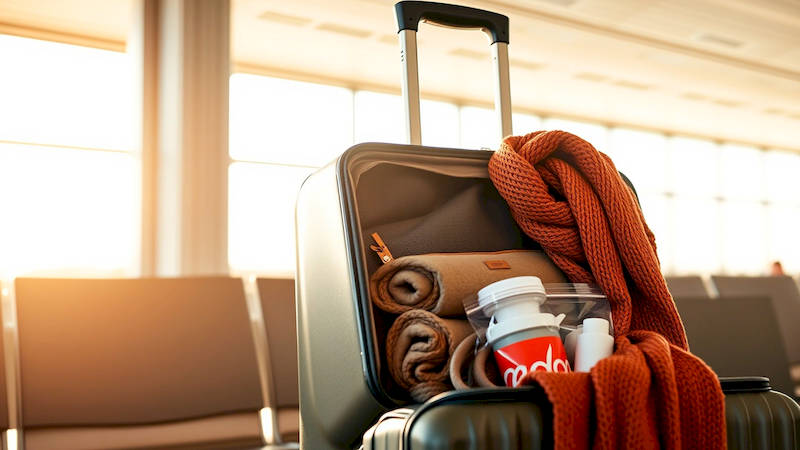
Traveling light is a skill, not a gift. In an era of ever-increasing baggage fees and shrinking overhead bin space, the art of maximizing carry-on capacity is more crucial than ever. While packing cubes and rolling techniques are helpful, a surprisingly effective, often overlooked strategy is simply wearing your bulkiest items. This isn’t about sacrificing comfort; it’s a calculated move to reclaim precious suitcase real estate and streamline your travel experience. This article delves into the comprehensive benefits of this tactic, offering detailed guidance on what to wear, how to layer effectively, and navigating potential concerns for a smoother, more spacious journey. Forget gate-checking; embrace the wearable wardrobe.
- The Physics of Travel: Why Wearing Bulky Items Works
- Decoding the Wearable Wardrobe: What to Prioritize
- Layering Like a Pro: Mastering Comfort and Adaptability
- Navigating Security and Comfort Concerns
- The Destination Factor: Adapting to Different Climates
- Beyond Clothing: Accessories and Unexpected Items
- Conclusion: Embrace the Wearable Strategy for Stress-Free Travel
The Physics of Travel: Why Wearing Bulky Items Works
The core principle is simple: anything you wear doesn’t count against your carry-on weight or size limitations. Airlines primarily focus on the dimensions and weight of packed items. By strategically shifting bulky clothing from your luggage to your person, you create significant space. This isn’t just about coats; it extends to boots, heavy sweaters, and even substantial jeans. The weight distribution is also beneficial – a little extra weight distributed across your body is often more comfortable than a tightly packed bag straining your shoulder. Consider the average winter coat, which can easily take up a third of a standard carry-on. Removing that bulk translates directly into room for essentials, or even allows you to downgrade to a smaller bag altogether.
Beyond just space, this strategy alters the weight balance of your luggage. A lighter bag is easier to maneuver, lift into overhead bins, and carry through airports. Furthermore, in the event of unexpected gate checking due to a full cabin (a frustratingly common occurrence), a lighter bag reduces the risk of exceeding weight limits and incurring extra fees. According to a 2023 survey by the Points Guy, 62% of travelers have experienced gate-checked bags, with 38% of those travelers incurring unexpected fees. Mitigating this risk through pre-emptive space-saving measures is a smart travel decision. The initial discomfort of layering is a small price to pay for avoiding these potential hassles.
Decoding the Wearable Wardrobe: What to Prioritize
The selection of what to wear should be strategic and consider your destination’s climate both at your origin and arrival. A heavy winter coat is an obvious candidate, but don’t stop there. Bulky sweaters, fleece-lined jackets, and even durable, supportive hiking boots are excellent choices. Layering is key – a base layer, a fleece or sweater, and a waterproof outer shell provide adaptability for varying temperatures. Don’t underestimate the space saved by wearing your heaviest pair of shoes; boots, in particular, can eat up a substantial portion of your luggage. Consider the utility of a vest, which adds warmth without the bulk of a full jacket.
However, comfort is paramount. Avoid anything overtly restricting or uncomfortable for extended periods. Choose fabrics that are breathable yet warm. A cashmere sweater, while luxurious, might be less practical than a merino wool blend for travel comfort. And don’t forget accessories! A chunky scarf can double as a blanket on the plane, and a hat can keep you warm and conceal bedhead. Even a heavy wristwatch or bracelet contributes small amounts of weight that are removed from your packed items. Consider carrying a small, foldable duffel bag inside your carry-on to transfer layers once you arrive at your destination, providing flexibility during climate transitions.
Layering Like a Pro: Mastering Comfort and Adaptability
Successful implementation hinges on the art of layering. Begin with a moisture-wicking base layer to regulate temperature and prevent discomfort. Follow this with an insulating layer – a fleece, sweater, or down vest. Your outermost layer should be protective, ideally waterproof and windproof, to shield you from the elements. Zip-up or button-down layers are preferable to pullovers, offering greater control over temperature. Think about the potential temperature fluctuations throughout your journey – airports, planes, and outdoor destinations can all present different climate challenges.
A key technique is to choose layers that can be easily removed and stowed. A packable puff jacket, which compresses down to a small size, is an excellent addition to your travel wardrobe. Similarly, a lightweight fleece that can be folded neatly and stored in your backpack is invaluable. The goal is to be prepared for any weather scenario without being overburdened. “The best travelers are adaptable,” states travel blogger Nomadic Matt Kepnes. “That means being prepared for changes in temperature and having clothing options that allow you to adjust quickly.” Utilizing these adaptable layers is crucial for maximizing both comfort and space.
Navigating Security and Comfort Concerns
One common concern is navigating airport security while wearing bulky items. The good news is that you generally won’t need to remove layers unless specifically requested by a TSA agent. However, wearing items with metal components – buckles, zippers, or embellishments – can slow down the screening process. Be prepared to remove belts, jackets, or boots if asked. Metal-free shoes are becoming increasingly popular with frequent travelers precisely for this reason. It's useful to wear easily removable shoes.
Comfort is another valid consideration. Extended periods of wear can cause overheating or discomfort. Choose breathable fabrics and avoid overly tight clothing. Stay hydrated throughout your journey to regulate body temperature. Utilize the airplane’s ventilation system to your advantage. The ability to easily remove or add layers is essential for maintaining a comfortable travel experience. Also, be mindful of potential wrinkles. Wearing a garment bag over your outerwear can help minimize creasing, or consider choosing fabrics that are naturally wrinkle-resistant.
The Destination Factor: Adapting to Different Climates
Your destination’s climate heavily influences your wearable wardrobe strategy. Traveling from a cold climate to a warm one requires a different approach than traveling between temperate regions. If you’re heading to a warm destination, focus on wearing your bulkiest shoes and a lightweight jacket that can be tied around your waist or stowed in your carry-on. Conversely, if you’re traveling to a cold destination, prioritize wearing your coat, boots, and warmest sweater.
Don’t assume you’ll need to pack everything you think you might need. Once you arrive, you can assess the local weather conditions and purchase any missing items if necessary. Packing a versatile, neutral-colored jacket that can be layered over other clothing is a smart move, regardless of your destination. Before your trip, research the average temperatures and weather patterns at your destination to make informed decisions about your wearable wardrobe.
Beyond Clothing: Accessories and Unexpected Items
The concept extends beyond clothing. Consider wearing your heaviest jewelry, such as a substantial watch or necklace, rather than packing it. This not only saves space but also minimizes the risk of loss or theft. Similarly, items like a heavy belt or even a bulky wallet can contribute to weight savings. The principle is to identify anything substantial that you can comfortably wear or carry on your person.
This also opens up creative solutions for specialized equipment. Photographers, for example, can wear a substantial camera bag as a personal item, allowing them to carry their equipment without consuming carry-on space. Artists can wear a large, comfortable backpack containing their art supplies. Think outside the box and consider how you can repurpose items you already own to maximize your carry-on capacity. Just remember to adhere to airline regulations regarding the size and weight of personal items.
Conclusion: Embrace the Wearable Strategy for Stress-Free Travel
Mastering the art of wearing your bulkiest items on the plane is a game-changer for savvy travelers. It's a deceptively simple yet highly effective strategy for maximizing carry-on space, avoiding baggage fees, and streamlining your travel experience. By thoughtfully selecting your wearable wardrobe, layering effectively, and adapting to different climates, you can transform from a burdened packer to a carry-on conqueror. The key takeaways are prioritizing bulky items like coats, boots, and sweaters; mastering the art of layering for comfort and adaptability; and being mindful of security and comfort considerations.
Ultimately, travel is about the journey, not the luggage. Reducing the stress associated with packing and baggage handling allows you to focus on enjoying your destination. So, the next time you’re preparing for a trip, evaluate your wardrobe with a critical eye. What can you wear? What can be layered? Embrace the wearable strategy and experience the freedom of traveling light. Start planning your packing list today with the aim of wearing, not just packing, your way to a more enjoyable travel experience.
Deja una respuesta