
How to Pack Snacks for Travel Without Taking Up Valuable Space
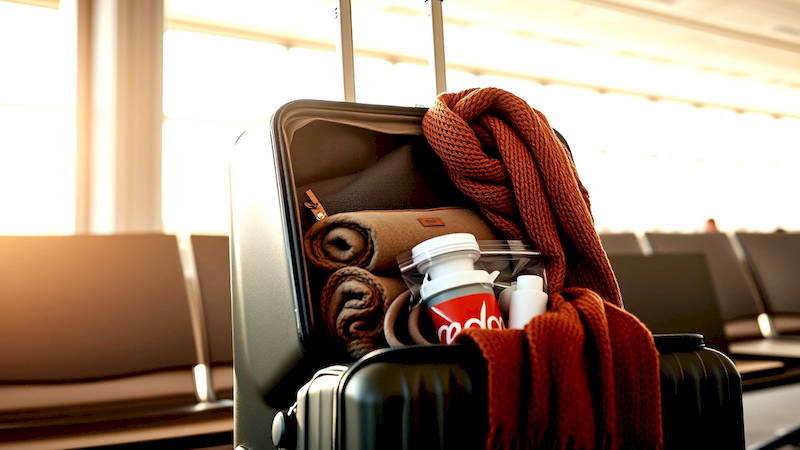
Packing for any kind of travel, even a short weekend getaway, can quickly devolve into a frustrating game of Tetris with your belongings. One of the biggest space-hogging culprits? Snacks. We all know the importance of having readily available fuel while traveling – avoiding overpriced airport food, keeping energy levels consistent, and catering to dietary needs. But how do you accomplish this without dedicating half your suitcase to granola bars and pretzels? This article will delve into the strategies, techniques, and tools to become a master snack packer, allowing you to enjoy delicious, convenient nourishment without sacrificing valuable packing space. We’ll move beyond simply suggesting “smaller containers” and examine a holistic approach, incorporating food choices, compression techniques, and clever organization.
The desire for convenient snacks while traveling isn't just about avoiding cost or cravings; it’s about control. When you’re outside your usual routine, disruptions to eating schedules can lead to poor food choices based on impulse. Having healthy and satisfying snacks on hand allows you to maneuver through delays, long journeys, and unfamiliar environments with greater ease. As travel rebounds, with 2023 seeing a significant increase in both domestic and international travel according to the U.S. Travel Association, the need for efficient packing solutions like snack optimization is more relevant than ever. Beyond this, catering to specific dietary concerns is vital - allergies, intolerances, or simply preferred eating styles (vegan, gluten-free, etc.) become more challenging to address when reliant on external food sources.
This guide aims to transform your snack packing from a stressful chore into a streamlined, efficient practice. We will cover everything from smart food selections and portion control to innovative packaging methods and organization techniques. Get ready to embark on a journey to snack-packing mastery!
- Choosing Snack Wisely: Density and Durability are Key
- Compression is Your Friend: Utilizing Vacuum Sealing and Reusable Bags
- Portion Control: The Power of Pre-Packaging
- Leveraging Clothing Space: An Unexpected Storage Solution
- The Power of Nesting: Containers Within Containers
- Beyond the Bag: Clever Organizational Techniques
- Conclusion: Snack-Packing Mastery – A Summary
Choosing Snack Wisely: Density and Durability are Key
The first step to space-saving snack packing isn't about how you pack, but what you pack. Forget bulky, air-filled options. Prioritize snacks that are calorie-dense, meaning they deliver a significant amount of energy for their weight. Think nuts, seeds, dried fruits – these provide sustained energy and require minimal space compared to, say, a bag of potato chips. Beyond density, durability is crucial. Avoid anything overly fragile or prone to crumbling, as crushed snacks are not only messy but also take up more space as fragmented pieces.
Consider the environmental conditions of your trip. If you're heading to a hot climate, chocolate and certain bars will melt, creating a sticky disaster. Opt for options less susceptible to temperature fluctuations. This even extends to texture; things that can easily be squashed should be avoided, or given extra protective packaging. A great example is switching from large, brittle cookies to energy bites made with oats, nut butter, and dried fruit. These are compact, resilient, and pack a nutritional punch. “Often, people overestimate how much food they need to pack for a trip. Focusing on nutrient-rich, dense snacks can drastically reduce the volume needed while still keeping you satisfied," says registered dietitian, Sarah Miller, in a recent interview with Travel + Leisure.
Finally, factor in the length of your trip and your planned activities. A short flight requires less substantial snacks than a multi-day hike. If you know you'll have limited access to refrigeration, focus on non-perishable options. This mindful approach to snack selection lays the foundation for efficient packing.
Compression is Your Friend: Utilizing Vacuum Sealing and Reusable Bags
Once you've chosen your snacks, it's time to minimize their volume. This is where compression techniques come into play. Vacuum sealing is arguably the most effective method, especially for snacks like nuts, dried fruits, and crackers. While a dedicated vacuum sealer can be an investment, hand-pump vacuum sealers are relatively inexpensive and surprisingly effective for travel-sized portions. Removing the air significantly reduces the snack's volume, allowing you to pack more into a smaller space.
However, vacuum sealing isn't suitable for all snacks— delicate items will get crushed. This is where reusable silicone bags enter the picture. These bags are lightweight, flexible, and can be squeezed to remove excess air. They’re also washable and reusable, making them an eco-friendly alternative to single-use plastic bags. Instead of loosely tossing trail mix into a ziplock, weigh out individual portions into these silicone bags and carefully press out as much air as possible before sealing. Another often-overlooked compression technique is utilizing the inherent structure of the snacks themselves. For example, individually wrapped items like granola bars can be strategically arranged to support one another, preventing crushing and minimizing dead space.
A case study comparing different packing methods by The Packing Pro blog showed that utilizing vacuum sealing and reusable bags reduced the volume of snacks by up to 60%, compared to traditional ziplock bags.
Portion Control: The Power of Pre-Packaging
One of the biggest mistakes people make when packing snacks is bringing large, family-sized bags. This not only contributes to bulk but also encourages overeating. Pre-packaging snacks into individual portions is a game-changer. This allows for easy access and prevents the temptation to mindlessly munch through an entire bag during a long journey. You can use small reusable containers, silicone bags (as mentioned previously), or even small, sturdy pouches made from fabric.
Think about the scenarios where you'll be consuming these snacks. A portion size for a hike will likely differ from a portion size for a plane ride. Tailor the portions to your anticipated activity levels and timeframe. This level of preparation also extends to preventing crumbs and spills. Individually packaged snacks are less prone to creating a mess in your bag. Furthermore, pre-packaging simplifies snack distribution, especially when traveling with others. No more arguments over who gets how much!
Consider investing in a set of stackable, reusable snack containers. These allow you to organize your snacks efficiently and maximize space. They also come in various sizes to accommodate different snack types.
Leveraging Clothing Space: An Unexpected Storage Solution
Don't limit your snack storage to your designated "snack bag" or container. Utilize the empty space within your clothing. Socks and underwear can be stuffed into gaps around larger items, and snacks can be nestled within these cushioned pockets. This is particularly effective for relatively sturdy snacks like protein bars or individually wrapped crackers.
However, exercise caution. Avoid placing snacks directly against delicate clothing items that could be crushed or stained. Wrap the snacks in a protective layer, such as a small cloth napkin or a silicone bag, before tucking them into your clothing. Shoes are another often-overlooked storage opportunity. Stuffing socks and smaller snacks into shoes maximizes space and helps maintain the shoe’s shape.
Remember, the goal is to distribute the weight evenly throughout your bag. Avoid concentrating all your snacks in one area, which could create an imbalance and make your bag uncomfortable to carry. This technique requires some careful planning and arrangement, but the space-saving benefits are significant.
The Power of Nesting: Containers Within Containers
Nesting containers – having smaller containers fit inside larger ones – is a classic space-saving technique applicable to snack packing. Choose containers that are specifically designed for nesting, or experiment with different sizes to see which ones fit together seamlessly. This is particularly effective for items like dips, sauces, or multiple servings of smaller snacks.
For example, a small container of peanut butter can fit inside a larger container filled with apples slices or pretzels. Similarly, a packet of nuts can be nested within a larger silicone bag that also holds a piece of fruit. Consider using collapsible silicone containers which can fold down flat when empty, further reducing their storage footprint. The key is to analyze the shapes and sizes of your snacks and containers and identify opportunities for maximizing space through nesting. This isn't just about saving space; it's also about preventing spills and keeping your snacks organized.
Beyond the Bag: Clever Organizational Techniques
Even with compressed and pre-packaged snacks, effective organization is crucial. Designate a specific area in your luggage for snacks, ideally close to the top for easy access. Use packing cubes to compartmentalize your snacks, separating sweet from savory, or healthy from indulgent. Packing cubes also help to compress your belongings further and prevent items from shifting during travel.
Consider using a small, clear zippered pouch to store frequently accessed snacks, such as energy gels or mints. This allows you to quickly grab what you need without rummaging through your entire bag. Label your containers and pouches, especially if you're traveling with others or have specific dietary restrictions. This helps prevent confusion and ensures that everyone has access to the snacks they need. Finally, regularly assess your snack situation throughout your trip. Consume items that are nearing their expiration date and repack any remaining snacks to maintain organization.
Conclusion: Snack-Packing Mastery – A Summary
Efficient snack packing is an art form that combines mindful snack selection, clever compression techniques, and strategic organization. By prioritizing calorie-dense, durable snacks, utilizing vacuum sealing and reusable bags, and pre-packaging portions, you can significantly reduce the volume of snacks you need to carry. Don’t underestimate the power of leveraging unused space within your clothing and employing nesting containers.
The key takeaways are: think density, compress strategically, portion meticulously, and optimize every inch of available space. This isn't just about maximizing luggage capacity; it's about enhancing your overall travel experience by ensuring you have convenient access to nourishing snacks. As a next step, experiment with different snack combinations and packing methods to find what works best for your needs and travel style. Start planning your next snack pack today – and travel fueled, prepared, and stress-free!
Deja una respuesta