
How to Pack Shoes in Your Luggage Without Dirtying Clothes
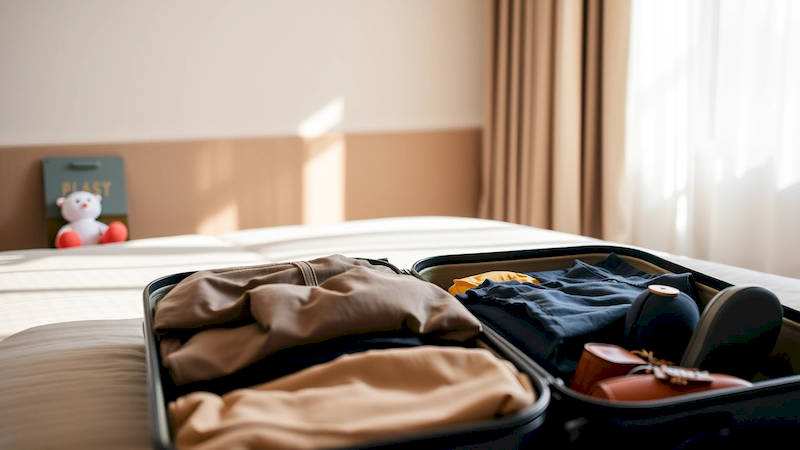
Packing. For many, it’s the least enjoyable part of travel. The strategic folding, the ruthless editing of wardrobe choices, and the constant battle against weight limits all contribute to a pre-trip stressor that often feels insurmountable. But one particular packing challenge consistently plagues travelers: what to do with shoes? They’re bulky, often dirty from previous adventures, and pose a significant threat to the cleanliness of everything else in your luggage. This article will delve deep into the art of packing shoes, providing a comprehensive toolkit of techniques to safeguard your clothes, maximize space, and arrive with a suitcase that’s both organized and hygienic. This isn’t about just getting your shoes in the suitcase; it’s about packing them correctly.
The problem isn't merely aesthetic. Clothes picking up dirt and odors from shoes can ruin a trip. Imagine reaching for your favorite outfit, only to discover it smells faintly of rubber and pavement. Or finding a film of grime clinging to a delicate blouse. Beyond the inconvenience, consider the potential for cross-contamination – street germs migrating to your clean garments. According to a study by the University of Arizona, shoes collect an average of 421,000 bacteria, including E. coli and other potentially harmful microbes. Therefore, proper shoe packing isn’t just about neatness, it's about hygiene and preserving the integrity of your travel wardrobe.
This guide will move beyond simple shoe bags and explore multiple methods, from utilizing every inch of available space to creating protective barriers and mitigating odors. We'll cover options suitable for various types of luggage, shoe types and travel durations, ensuring that regardless of your travel style, you can master the art of shoe packing.
- The Power of Protective Barriers: Shoe Bags and Beyond
- Strategic Packing: Utilizing Space and Shoe Cavities
- The Roll and Wrap Method: Reducing Bulk and Maximizing Protection
- The Shower Cap Secret: A Budget-Friendly Alternative
- Odor Control: Keeping Your Luggage Fresh
- Considering Alternatives: Wearing Your Bulkiest Shoes
- Conclusion: Mastering the Art of Clean Packing
The Power of Protective Barriers: Shoe Bags and Beyond
The first, and arguably most fundamental, step is to contain your shoes. A dedicated shoe bag is a solid starting point, but not all shoe bags are created equal. The flimsy, non-waterproof plastic bags offered with some shoe purchases provide minimal protection. Instead, invest in reusable shoe bags made from durable, water-resistant materials like nylon or polyester. These bags come in various sizes and often feature drawstrings or zippers for secure closure. Look for bags with multiple compartments – some are designed to hold a pair of shoes separately, further minimizing contact.
However, relying solely on a shoe bag isn't always enough, especially for particularly dirty shoes. To add an extra layer of defense, consider wrapping each shoe individually in plastic wrap, grocery bags, or even shower caps. This creates a waterproof barrier that prevents dirt and grime from seeping through the bag. For hikers or those who anticipate their shoes getting extremely muddy, a double-layer of protection – plastic wrap inside a shoe bag – is highly recommended. "The key is containment, and redundancy is your friend," says travel blogger and packing expert, Nomadic Matt Kepnes, in his extensive online packing guides. "I've learned the hard way that a single layer of defense rarely holds up against particularly challenging conditions."
Beyond simple containment, think about the materials themselves. Breathable shoe bags are important to prevent moisture buildup, which can lead to musty odors. Some bags even include odor-absorbing materials, like activated carbon, to further freshen shoes during transport. Packing a small silica gel packet inside each shoe can also help absorb excess moisture.
Strategic Packing: Utilizing Space and Shoe Cavities
Once your shoes are contained, the next challenge is finding the optimal placement within your luggage. Avoid placing shoes directly on your clothes, no matter how secure the shoe bag seems. Instead, utilize the empty space inside the shoes themselves. This is arguably one of the most effective space-saving and protective techniques.
Socks, underwear, small accessories like belts, charging cables, and even jewelry can all be tucked neatly into shoes. This maximizes space usage and provides extra cushioning for delicate items. When packing smaller items inside shoes, consider using small resealable plastic bags to keep them separate and prevent them from getting dirty. To minimize crushing the items inside, choose softer materials for shoe packing - avoid fitting hard or breakable items into your shoes.
Strategic packing also involves considering shoe placement relative to the suitcase's weight distribution. Place heavier shoes near the wheels of a rolling suitcase to improve stability and make it easier to maneuver. Positioning softer shoes, like sneakers, around more fragile items can provide additional protection. Experiment with different placements to find what works best for your luggage type and packing style.
The Roll and Wrap Method: Reducing Bulk and Maximizing Protection
For shoes that are oddly shaped or don’t neatly fit into corners, the "roll and wrap" method can be a lifesaver. This technique involves wrapping clothes around the shoes to create a protective cocoon. Choose garments that are less prone to wrinkling, such as jeans, t-shirts, or sweaters.
Lay the garment flat, place the shoe at one end, and tightly roll the fabric around the shoe, creating a compact bundle. This not only shields your clothes from dirty shoes but also helps to compress the clothing, saving valuable space. Secure the roll with a rubber band or garment belt if needed. Ensure the fabric provides ample padding around the shoe – avoid overly tight wrapping that could damage either the shoe or the garment.
This method is particularly effective for packing boots, which can be difficult to accommodate in standard luggage. By wrapping boots in rolled-up jackets or sweaters, you can create a more streamlined shape and protect the boots from scuffs and scratches. Furthermore, it distributes the bulk of the boot more evenly, preventing it from digging into other items in your suitcase.
The Shower Cap Secret: A Budget-Friendly Alternative
If you don’t have dedicated shoe bags or plastic wrap on hand, don’t despair. Shower caps, often provided complimentary in hotels, offer a surprisingly effective and budget-friendly alternative. Their elasticized edges create a snug fit around shoes, preventing dirt and grime from escaping.
Simply place each shoe inside a shower cap and secure it tightly. While not as durable as dedicated shoe bags, shower caps provide a waterproof barrier and are readily available in many travel scenarios. This is a particularly useful hack for unexpected situations, such as when traveling with muddy shoes and realizing you’ve forgotten your shoe bag.
The downside is their limited durability. Shower caps are prone to tearing, so they’re best suited for short trips or as a backup solution. However, for a quick and convenient fix, they're an excellent option.
Odor Control: Keeping Your Luggage Fresh
Even clean shoes can harbor odors that permeate your clothing. Addressing odor control is essential for a pleasant travel experience. Activated charcoal is a powerful odor absorber and can be used in several ways. Place activated charcoal packets inside each shoe, or sprinkle charcoal powder inside the shoe bags.
Baking soda is another effective odor neutralizer. Sprinkle a small amount of baking soda inside each shoe before packing, or place a small open container of baking soda at the top of your suitcase. Cedar chips, traditionally used to freshen closets, can also be used to absorb odors and repel moths. However, be mindful that cedar can sometimes stain certain fabrics, so avoid direct contact. "Think beyond masking odors – aim to truly neutralize them," advises cleaning expert Marie Kondo, known for her minimalist lifestyle approach, "A clean space, including your luggage, contributes to a clear mind."
Finally, ensure your shoes are completely dry before packing them. Damp shoes are breeding grounds for bacteria and mold, which exacerbate odors and can damage your clothes. Allow shoes to air dry thoroughly before placing them in your luggage.
Considering Alternatives: Wearing Your Bulkiest Shoes
Sometimes, the most practical solution isn’t about how to pack shoes, but about whether to pack them. Consider wearing your bulkiest and heaviest shoes during travel. This frees up valuable space in your luggage and avoids the need to pack them altogether.
This is particularly effective for boots, hiking shoes, or other substantial footwear. Just ensure the shoes are comfortable enough for your journey. If you're traveling to a destination with variable weather, wearing your most weather-resistant shoes can be a smart move, allowing you to pack lighter-weight options. The downside is that you need to be prepared to wear those same shoes throughout your travel day, so comfort should be a primary consideration.
Conclusion: Mastering the Art of Clean Packing
Packing shoes without dirtying your clothes is an achievable goal. By implementing the strategies outlined in this guide – utilizing protective barriers, employing strategic packing techniques, mastering the roll and wrap method, and addressing odor control – you can transform a stressful packing task into a streamlined and efficient process. Remember that redundancy is key: combining multiple protection methods offers the greatest assurance against grime transfer.
Ultimately, successful shoe packing isn’t about simply containing your footwear; it's about preserving the cleanliness and integrity of your entire travel wardrobe. Take the time to invest in quality shoe bags, utilize the space within your shoes, and prioritize odor control. Doing so will ensure you arrive at your destination with a suitcase full of clean, fresh clothes and a more relaxed state of mind, ready to enjoy your journey to the fullest. Experiment with these techniques to find what works best for your packing style and travel needs. The goal is a stress-free packing experience and a worry-free trip!
Deja una respuesta