
Minimalist Packing Tips for Weekend Getaways and Day Trips
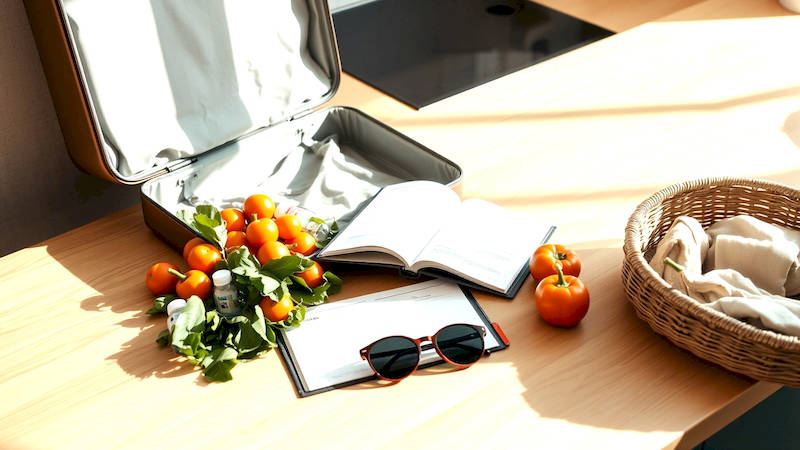
The modern world often equates "preparedness" with hauling an excessive amount of stuff with us, even for short trips. This leads to overstuffed suitcases, aching backs, and the frustration of navigating travel with unnecessary weight. But what if preparation could be redefined as strategic selection, rather than sheer volume? Minimalist packing isn’t about deprivation; it’s about freedom – the freedom to move unburdened, to be spontaneous, and to focus on the experience itself rather than the logistics of your possessions. It's a skill that translates far beyond travel, fostering a more intentional and simplified approach to life in general.
Minimalist packing is particularly relevant in today’s world. Increased baggage fees, the rise of carry-on-only travel, and a growing societal emphasis on sustainability are all driving factors. According to a study by the Points Guy, 62% of Americans have had to pay extra baggage fees at least once. This coupled with the added stress of managing bulky luggage makes a compelling case for streamlining your packing process. This article delves deep into the techniques and mindset needed to master the art of traveling light, transforming both your weekend getaways and day trips into seamless and enjoyable adventures.
Mastering the Capsule Wardrobe for Travel
The foundation of minimalist packing lies in the concept of a capsule wardrobe – a collection of versatile clothing items that can be mixed and matched to create multiple outfits. Instead of packing individual pieces for specific occasions, focus on items that serve multiple purposes. Neutral colors (black, navy, grey, white, beige) are your best friend here, as they easily coordinate with each other. Think about layering; a lightweight jacket, cardigan, or scarf can adapt to changing temperatures and add versatility to your outfits. The goal isn't to limit your style, but to maximize your options within a curated selection.
To build your travel capsule, start by considering the activities you plan to participate in. A hiking-focused weekend will require different clothing than a city exploration trip. For a typical 2-3 day getaway, aim for around 7-10 versatile clothing items. This could include 2-3 tops, 1-2 bottoms (pants or skirts), a dress that can be dressed up or down, a lightweight jacket, and comfortable walking shoes. Don't underestimate the power of accessories; a single scarf can act as a head covering, a shawl, or a pop of color to liven up an outfit. Regularly assessing your wardrobe before a trip, and visualizing outfits, is crucial.
A practical exercise is to lay out everything you think you need, then ruthlessly eliminate at least 30% of it. Ask yourself, "Can I wear this item in at least three different ways? Will I truly miss it if I don't bring it?" If the answer is no to either question, leave it behind. This process might feel uncomfortable at first, but the freedom of a lighter pack is well worth the effort. Remember, you can always purchase something if absolutely necessary, but you can't undo the strain of a heavy bag.
The Roll vs. Fold Debate & Space-Saving Techniques
Once you've curated your clothing capsule, the way you pack it significantly impacts the amount of space it occupies. The long-standing debate between rolling and folding has a surprising answer: rolling generally wins for space efficiency, especially with softer materials. Rolling clothes tightly minimizes wrinkles and allows you to fill gaps in your luggage more effectively. However, structured items like blazers or collared shirts may benefit from careful folding to maintain their shape.
Beyond rolling, consider using packing cubes. These small, zippered fabric containers compartmentalize your luggage, compressing clothing and keeping everything organized. They also make it easier to locate items without unpacking everything. Packing cubes aren't just for clothes; use them to separate shoes, toiletries, or electronics. Another technique is utilizing the ‘bundle wrapping’ method popularized by travel experts; this involves wrapping clothes around a central core to minimize wrinkles and maximize space.
Compression straps built into many suitcases are also incredibly useful. However, be mindful not to overpack simply because you have the space. Don't forget to utilize the space inside your shoes – socks and small items can be tucked inside to save even more room. Ultimately, the best packing method is the one that works best for you and the contents of your bag, but experimenting with rolling, folding, and packing cubes is highly recommended.
Toiletries: Decanting, Solids & Multi-Tasking
Toiletries often contribute significantly to luggage weight and bulk. The key here is ruthless minimalism and strategic choices. Instead of bringing full-sized bottles of shampoo, conditioner, and lotion, decant your favorite products into travel-sized containers (TSA approved if flying). Reusable silicone travel bottles are a sustainable and cost-effective option. Even better, explore solid toiletries – shampoo bars, conditioner bars, solid deodorant, and toothpaste tablets. These eliminate the risk of leaks and often take up less space than their liquid counterparts.
Consider multi-tasking products. A tinted moisturizer can replace both a foundation and sunscreen. A multi-purpose balm can be used on lips, skin, and even as a cuticle oil. Wet wipes are excellent for quick cleanups and can double as a refreshing face wash. Finally, don't be afraid to purchase toiletries at your destination if you're staying for an extended period or concerned about weight limits. Many hotels provide basic toiletries, and local pharmacies are readily available.
Prioritize travel-sized versions of essential medications and consider bringing a copy of your prescription in case of loss or emergency. A small first-aid kit with bandages, antiseptic wipes, and pain relievers is always a good idea, especially for outdoor adventures. Remember that many airlines have strict regulations regarding liquids, so it's crucial to familiarize yourself with the guidelines before you travel.
Technology & Electronics: Streamlining Your Gadgets
In today's digital age, technology is often an essential travel companion – but it can also quickly add weight and complexity to your pack. The first step is to honestly assess what you need versus what you want. Do you truly need your laptop, tablet, and e-reader? Consider leaving the laptop behind if your trip is primarily for relaxation and entertainment. A smartphone can handle many tasks, such as taking photos, reading books, and navigating.
If you must bring multiple devices, invest in a universal travel adapter and a portable power bank. A multi-port USB charger can efficiently charge several devices simultaneously. Keep your cables organized with cable ties or a small electronics organizer. Download any books, movies, or music before your trip to avoid relying on spotty Wi-Fi. Taking photos with your smartphone is often sufficient, but a dedicated travel camera can be beneficial for capturing higher-quality images.
Backing up your data before leaving is crucial. Consider using cloud storage or an external hard drive to safeguard your precious memories. Finally, be mindful of security. Keep your devices secure with strong passwords and be cautious when connecting to public Wi-Fi networks. Remember, traveling light extends to your digital footprint.
The Power of a Well-Planned Daypack (and What to Include)
Even with minimalist packing for a weekend getaway, a well-planned daypack is essential for day trips or exploring your destination upon arrival. This is your ‘mobile base,’ and needs to be comfortable, secure, and efficiently packed. Prioritize items you'll need immediate access to: water bottle, sunscreen, sunglasses, a hat, a small first-aid kit, snacks, a map (physical or downloaded), and your wallet/phone. A lightweight, packable rain jacket is also a smart addition, even if the forecast looks clear.
Don't overload your daypack; aim for a weight that represents no more than 10-15% of your body weight. A heavier pack will lead to fatigue and discomfort. Consider a daypack with anti-theft features, such as hidden zippers and slash-proof fabric, especially in crowded tourist areas. A reusable shopping bag can be useful for impromptu purchases.
Think about the specific activities you plan to do. If you're hiking, include appropriate footwear, extra layers, and a headlamp. If you're visiting religious sites, ensure you have clothing that covers your shoulders and knees. A small notebook and pen can be useful for jotting down notes or sketching. The goal is to be prepared without being burdened.
The Mental Shift: Embracing "Enough"
Ultimately, minimalist packing is as much a mental exercise as it is a practical one. It requires a shift in mindset from "What if I need this?" to "What do I truly need?" We often pack based on fear – fear of being unprepared, fear of discomfort, fear of not having the "right" outfit. But often those fears are unfounded. Learning to embrace the feeling of "enough" – enough clothing, enough toiletries, enough gadgets – is liberating.
It’s about recognizing that experiences are more valuable than possessions. The memories you create on your trip won't be diminished by wearing the same outfit twice or using a travel-sized bottle of shampoo. In fact, simplicity can enhance your experience, allowing you to be more present and engaged in the moment. Minimalist packing isn't about restriction; it's about intentionality. It's about selecting items that serve a purpose and bring you joy, while leaving the rest behind.
In conclusion, the art of minimalist packing for weekend getaways and day trips transcends a simple reduction in luggage weight. It’s a practice that champions intentionality, frees you from the burden of excess possessions, and empowers you to fully embrace the journey. By mastering a capsule wardrobe, utilizing space-saving techniques, streamlining your toiletries & tech, meticulously planning your daypack, and – crucially – adopting a ‘less is more’ mindset, you’ll unlock a newfound level of travel freedom. Start small – implement one or two of these tips on your next trip, and gradually build from there. The rewards – reduced stress, increased mobility, and a deeper connection to your travel experience – are well worth the effort. Embrace the challenge, and discover the joy of traveling light.
Deja una respuesta