
Minimalist Baking Essentials: Tools and Ingredients to Keep
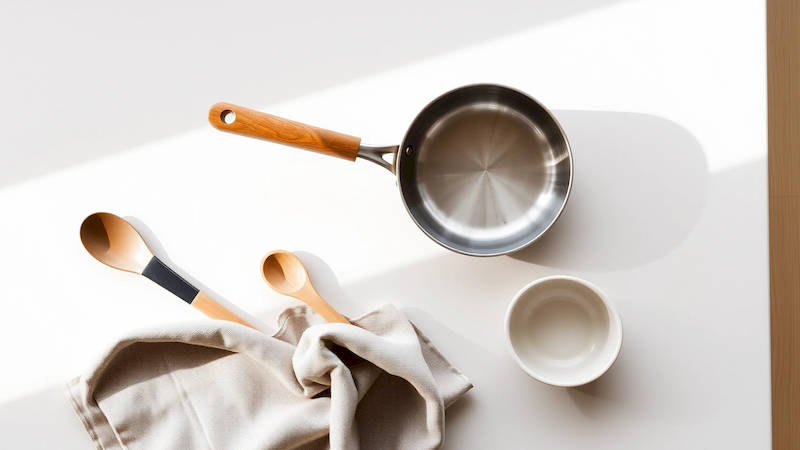
The allure of baking – the comforting aroma, the creative outlet, the delicious results – often clashes with the modern minimalist lifestyle's core principle of intentionality. Many kitchens are cluttered with single-use gadgets and half-empty containers of obscure ingredients, remnants of ambitious baking projects gone by. However, embracing minimalism doesn’t mean abandoning the joy of baking. It simply requires a focused, curated collection of tools and ingredients that maximize versatility and minimize waste. This article dives deep into building a minimalist baking arsenal, empowering you to create delicious treats without the overwhelming clutter. We'll explore how to thoughtfully choose items, prioritize multi-functionality, and stock ingredients with real staying power.
The modern minimalist movement, stemming from the teachings of figures like Marie Kondo, isn’t about deprivation; it’s about surrounding yourself only with items that ‘spark joy’ or serve a genuine purpose. Applied to baking, this means critically evaluating every whisk, pan, and spice. It means questioning whether that novelty cookie cutter truly adds value to your baking experience, or if it’s simply taking up valuable space. Furthermore, the environmental impact of excessive consumption also plays a role. Reducing kitchen clutter translates into less waste, more conscious purchases, and a healthier relationship with the things we own.
- The Foundation: Essential Tools for Every Minimalist Baker
- Baking Pans: Prioritizing Versatility and Functionality
- The Core Pantry: Ingredients with Staying Power
- Beyond the Basics: Strategic Additions
- Ingredient Storage: Maintaining Freshness and Minimizing Waste
- The Importance of Recipe Selection: Utilizing What You Have
- Conclusion: A Mindful Approach to Baking
The Foundation: Essential Tools for Every Minimalist Baker
A minimalist baking kitchen isn't about having no tools, but about having the right tools. Prioritize quality over quantity, focusing on items that are durable, versatile, and will withstand years of use. Your foundational collection should consist of pieces capable of handling a wide range of recipes, from simple cookies to more complex cakes and breads. Investing in a few well-made staples is far more economical and satisfying than accumulating a drawer full of cheap, flimsy gadgets.
The core tools should include a stand mixer (or a reliable hand mixer, if space is a significant constraint), a set of nested mixing bowls (stainless steel is a great choice for durability and neutrality), measuring cups and spoons (both dry and liquid), and a good quality baking sheet. These form the bedrock of almost any baking endeavor. Beyond these essentials, a rubber spatula, a whisk (balloon and flat), and a rolling pin are crucial. A bench scraper is surprisingly versatile, useful not only for working with dough but also for cleaning surfaces and dividing baked goods. A digital kitchen scale is also invaluable for precision in baking, surpassing the accuracy of volume measurements.
Consider the materials carefully. Stainless steel and glass are generally more sustainable and long-lasting than plastic. Wooden utensils, when properly cared for, can also last a lifetime. Avoid non-stick coatings, as they inevitably degrade over time and can introduce microplastics into your food. Although more expensive upfront, a high-quality cast iron skillet can double as a baking dish for cobblers, crumbles, and even cakes, further reducing the need for specialty equipment.
Baking Pans: Prioritizing Versatility and Functionality
Baking pans are often the biggest source of kitchen clutter. We accumulate pans for specific shapes and sizes, many of which are only used once or twice a year. The minimalist approach emphasizes selecting a few versatile pans that can be adapted for a variety of recipes. Rather than owning a dozen specialized pans, focus on quality pieces that serve multiple purposes.
A 9x13 inch baking pan is an absolute must-have. It's perfect for sheet cakes, brownies, casseroles, and even roasting vegetables. Two 9-inch round cake pans are essential for layer cakes, but can also be used for quiches or deep-dish pies. A 12-cup muffin tin is another versatile staple, capable of baking muffins, cupcakes, individual pot pies and even mini frittatas. Don’t forget a loaf pan – a 9x5 inch pan is standard and ideal for bread, pound cakes, and meatloaf. A square cake pan (8 or 9 inch) is also highly useful. When choosing pans, opt for light-colored metal, as it promotes even baking and prevents over-browning.
Consider materials carefully. Aluminum pans are lightweight and heat up quickly, but can sometimes warp. Stainless steel pans are more durable and don't react with acidic ingredients. Silicone pans are non-stick and flexible, simplifying removal of delicate baked goods but are often less durable and can impart a rubbery flavor if low quality.
The Core Pantry: Ingredients with Staying Power
Just as important as the tools is the composition of your pantry. A minimalist pantry isn’t about having incredibly limited options, but about building a base of ingredients that form the foundation for a wide range of baked goods. The goal is to avoid specialized ingredients and single-use items that languish in the back of your cupboard.
Your core pantry should begin with all-purpose flour, granulated sugar, brown sugar (light or dark, depending on preference), baking powder, baking soda, salt, and vanilla extract. These form the basis of countless recipes. Then add chocolate chips (both semi-sweet and dark are good choices), cocoa powder, and possibly a selection of spices like cinnamon, nutmeg, and allspice. Beyond these staples, consider adding a few versatile inclusions like chopped nuts, dried fruit, and coconut flakes. Fats, such as butter and vegetable oil, are also vital. Invest in quality vanilla extract; it makes a difference in the final flavour.
Beyond the Basics: Strategic Additions
While the core pantry provides a solid foundation, a few strategic additions can significantly expand your baking repertoire without adding excessive clutter. These additions should be items that can be used in multiple ways and contribute a significant flavour profile.
Consider adding a bottle of molasses, which is fantastic for gingerbread, cookies, and even adding depth to chocolate cakes. Lemon zest adds brightness to countless recipes. A jar of peanut butter or another nut butter can transform cookies, brownies, and cakes. Spices like cardamom and ginger can introduce exotic flavours. Dried lavender can be added to shortbread or scones. When adding these extras, focus on buying smaller quantities of items you don't use frequently to avoid waste. For example, a small jar of cardamom versus a large container.
Ingredient Storage: Maintaining Freshness and Minimizing Waste
Proper ingredient storage is crucial for maintaining freshness and reducing waste. Transferring ingredients from bulky packaging into airtight containers not only looks more aesthetically pleasing but also prevents spoilage and pests. Glass jars are an excellent choice for pantry staples like flour, sugar, and spices. They're non-reactive, transparent, and easy to clean.
Clearly label each container with the ingredient name and date of purchase. This helps you track freshness and use older ingredients first. Store flour and sugar in a cool, dry place. Nuts and seeds, due to their high oil content, are best stored in the refrigerator or freezer. Spices lose their potency over time, so store them in a dark, cool location away from heat and moisture. Investing in a flour sifter with integrated storage can also save space and make measuring easier.
The Importance of Recipe Selection: Utilizing What You Have
A crucial but often overlooked aspect of minimalist baking is recipe selection. Rather than constantly chasing the latest complicated recipe requiring a laundry list of obscure ingredients, focus on mastering a few versatile recipes that can be adapted to use what you already have.
For instance, a basic vanilla cake recipe can be transformed into chocolate cake by adding cocoa powder, or a lemon cake by adding lemon zest and juice. Cookie dough can be customized with different additions like chocolate chips, nuts, or dried fruit. By embracing adaptability, you can minimize the need for specialized recipes and reduce ingredient waste. Look for recipes that emphasize core ingredients over complex techniques. A blog like Sally’s Baking Addiction often provides great foundational recipes that can be adapted and simplified.
Conclusion: A Mindful Approach to Baking
Minimalist baking isn’t about restriction; it’s about intentionality. It's about creating a kitchen space that fosters creativity and joy without being overwhelmed by clutter. By carefully selecting a few versatile tools, stocking a core pantry with long-lasting ingredients, and embracing adaptable recipes, you can enjoy the satisfying art of baking without compromising your minimalist lifestyle. The key takeaways are prioritizing quality over quantity, focusing on multi-functionality, and being mindful of ingredient storage and waste reduction.
As a next step, take inventory of your current baking tools and ingredients. Be honest about what you actually use, and be willing to let go of items that are gathering dust. Start small, focusing on building a core foundation and gradually adding items only when they truly enhance your baking experience. Remember, a minimalist kitchen isn’t about having less; it’s about having just enough – perfectly curated for your needs and enriching your life in the process.
Deja una respuesta