
Streamlining Kitchen Storage: Minimalist Solutions for Cabinets and Drawers
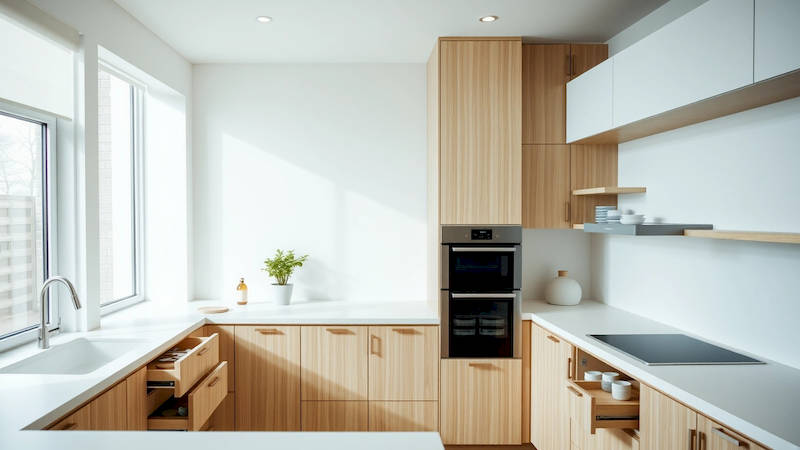
The kitchen, often dubbed the heart of the home, frequently becomes a repository for clutter. Gadgets purchased with good intentions gather dust, duplicate utensils jostle for space, and expired ingredients linger in the back of cabinets. This accumulation isn’t just visually unappealing; it drains mental energy, wastes valuable time spent searching for items, and ultimately detracts from the joy of cooking and gathering. Embracing minimalist principles in the kitchen isn’t about stark emptiness; it's about intentionality – keeping only what truly serves a purpose and organizing it in a way that fosters efficiency and calm. This article delves into practical, actionable strategies for streamlining kitchen storage, transforming your cabinets and drawers from chaotic catch-alls into efficient, minimalist havens.
Minimalism, as a lifestyle choice, isn't about deprivation, but rather about focusing on what adds value to your life. Applying this to the kitchen means questioning every item's utility and emotional resonance. It’s about recognizing that more isn't always better, especially when it comes to kitchen tools and gadgets. Too much “stuff” amongst your cooking space actually stifles creativity and productivity. A streamlined kitchen promotes mindful cooking and a more peaceful and enjoyable experience. Many studies highlight the link between physical clutter and mental stress, and the kitchen, as a frequently used space, is particularly susceptible.
The Initial Purge: A Ruthless Assessment
Before even thinking about organization, a thorough decluttering is paramount. This isn't a quick tidy-up; it’s a systematic evaluation of everything within your kitchen storage. Begin by emptying entire cabinets or drawers one at a time. Resist the urge to simply shift items around. Lay everything out where you can see it – the countertop, dining table, or even the floor – and honestly assess each piece. The key is to use a four-box system: Keep, Donate/Sell, Trash, and Relocate. 'Relocate' is for items that belong somewhere other than the kitchen (e.g., craft supplies mistakenly stored with baking tools).
Consider the “last used” rule. If you haven’t used an item in the past six months – or even a year for seasonal items – it’s a strong candidate for donation or disposal. Be brutal! An elaborate avocado slicer only warrants keeping if it genuinely simplifies your avocado preparation and you eat avocados regularly. Don’t retain items ‘just in case’; realistically, most ‘just in case’ items never see the light of day. Psychologist Marie Kondo, author of "The Life-Changing Magic of Tidying Up," advocates for holding each item and asking yourself if it 'sparks joy.' While not universally applicable, this exercise forces mindful consideration of an item's value.
Finally, be honest about duplicates. Do you really need three whisks? One high-quality whisk is generally sufficient. The same principle applies to measuring cups, spoons, and other common tools. Keep the best one and donate or discard the others. This is the most impactful step of the purge stage, since it quickly makes a visible difference.
Maximizing Vertical Space: Cabinet Optimization
Once you've dramatically reduced the volume of items, focus on optimizing the space you have. Cabinets, especially upper cabinets, often underutilize vertical space. Adjustable shelves are your allies here. Lower shelves to accommodate taller items and create more usable space above. Shelf risers are incredibly effective for doubling the usable area within a cabinet. They’re particularly useful for stacking plates, bowls, and canned goods, providing visibility and easy access.
Consider incorporating cabinet door organizers. These can hold spices, cleaning supplies, or even small cutting boards, freeing up precious shelf space. Lazy Susans, particularly in corner cabinets, transform otherwise awkward, inaccessible areas into functional storage. Transparency is also key; using clear containers or jars allows you to quickly identify contents without rummaging through cluttered shelves. Labeling these containers, even if the contents are visible, adds an extra layer of organization and clarity.
Drawer Dividers: Taming the Chaos Within
Drawers are notorious for becoming chaotic dumping grounds. Utensils get tangled, lids disappear, and discovering a specific item can feel like an archaeological dig. Drawer dividers are a minimalist's best friend. They create designated zones for different categories of items – cutlery, cooking utensils, measuring tools, etc. You can purchase pre-made dividers or create your own using cardboard boxes or bamboo organizers.
The goal is to compartmentalize. Avoid overcrowding drawers; each item should have its own dedicated space. For deep drawers, consider using nested containers or tiered organizers to maximize vertical space. Roll rather than stack linens and dishcloths to maximize visibility and access. As with cabinets, prioritize keeping only the essential tools within drawers; infrequently used items should be relocated. For example, specialty graters used only once a year should be stored elsewhere, not taking up valuable drawer real estate.
Rethinking Pot & Pan Storage
Pots and pans are often a significant source of kitchen clutter. Traditional stacking can be inefficient and can lead to scratches and dents. Consider using pot racks, either hanging from the ceiling or freestanding. This not only saves cabinet space but also makes pots and pans easily accessible. If hanging isn't an option, utilize lid organizers to keep pot lids contained and readily available.
Another option is to store pots and pans vertically, using tension rods within a cabinet to create individual slots for each piece. This eliminates stacking and allows you to see all your cookware at a glance. Be realistic about the pots and pans you actually use. A full set isn’t necessarily a good thing if you only consistently utilize a few pieces. Donate or discard those that languish unused. For infrequently used, larger cookware, consider storing them in a less easily accessible location, such as a pantry or utility room.
The Power of Consistent Maintenance
Minimalism isn't a one-time event; it’s an ongoing practice. Once you've decluttered and organized, it's crucial to establish systems for maintaining that order. Implement the “one in, one out” rule: every time you acquire a new kitchen item, get rid of a similar one. This prevents clutter from creeping back in. Regularly assess your kitchen storage, perhaps once a month or quarterly, to identify and address any emerging disorder.
Develop a habit of putting things back in their designated place immediately after use. This simple act prevents clutter from accumulating and maintains a sense of order. When unpacking groceries, immediately discard packaging and put items away in their appropriate storage locations, instead of letting them pile up on the countertop. Small, consistent efforts are far more effective than infrequent, exhaustive decluttering sessions.
Embracing Portable Storage Solutions
Sometimes, kitchens lack sufficient built-in storage. In these instances, carefully chosen portable storage solutions can be invaluable. Rolling kitchen carts are versatile platforms for storing produce, spices, or frequently used appliances. They can be easily moved around the kitchen as needed and tucked away when not in use. Over-the-door organizers, while often associated with pantry storage, can also be utilized within the kitchen to hold cleaning supplies or smaller items.
Consider utilizing wall space with shelving units or magnetic knife strips, freeing up counter and drawer space. Just ensure that any portable storage solutions align with the minimalist aesthetic – opt for sleek, functional designs rather than bulky, visually jarring options. Remember to regularly evaluate the contents of these portable solutions as well, applying the same decluttering principles as you would to your cabinets and drawers.
Conclusion: A Calmer, More Functional Kitchen
Streamlining kitchen storage through minimalist principles isn’t simply about aesthetics; it's about creating a more functional, peaceful, and enjoyable space. By ruthlessly decluttering, maximizing vertical space, utilizing drawer dividers, and consistently maintaining order, you can transform your kitchen from a source of stress into a place of culinary inspiration. The initial effort of decluttering is significant, but the long-term benefits – reduced stress, increased efficiency, and a more welcoming environment – are well worth the investment.
The key takeaway is intentionality. Before adding anything to your kitchen, ask yourself if it truly serves a purpose and adds value to your life. Embrace the “one in, one out” rule to prevent clutter from returning. Finally, remember that minimalism is a journey, not a destination. Start small, be consistent, and enjoy the process of creating a kitchen that reflects your values and supports a more mindful way of living. Take action today: choose one drawer or cabinet and begin the decluttering process. You’ll be surprised at the immediate sense of liberation.
Deja una respuesta