
Organizing and Storing Your Capsule Wardrobe Efficiently
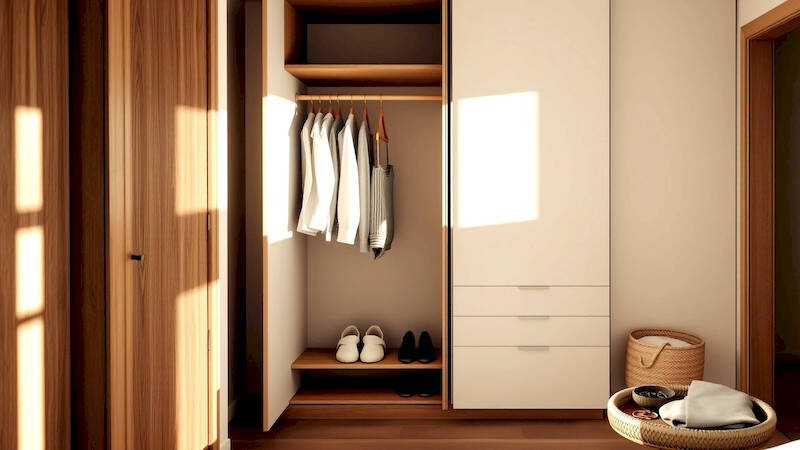
The rise of minimalist living has sparked a powerful shift in how we approach our possessions, and few areas feel that shift more acutely than our wardrobes. The concept of a capsule wardrobe – a curated collection of versatile clothing items that can be mixed and matched – promises a streamlined, less cluttered, and more intentional approach to fashion. However, simply creating a capsule wardrobe is only half the battle. Successfully maintaining it requires thoughtful organization and storage strategies. Without a system in place, even the most carefully curated collection can quickly descend into disarray, defeating the purpose of the minimalist endeavor.
This article delves into the critical aspects of organizing and storing your capsule wardrobe efficiently, moving beyond simply folding clothes to creating a system that maximizes space, protects your garments, and simplifies your daily life. We'll explore techniques ranging from decluttering refinement to clever storage solutions, providing a roadmap for maintaining a functional and beautiful capsule wardrobe for years to come. The goal isn’t just about aesthetics; it's about fostering a more sustainable, mindful relationship with your clothing and, ultimately, with your lifestyle.
- Decluttering Deep Dive: Refining Beyond the Initial Edit
- Optimizing Closet Space: The Art of Verticality and Visibility
- Beyond the Closet: Creative Storage Solutions for Smaller Spaces
- Seasonal Rotation: The Core of Capsule Wardrobe Maintenance
- Shoe & Accessory Management: Finishing Touches for a Complete System
- Maintaining Motivation: Regular Reviews & Mindful Consumption
Decluttering Deep Dive: Refining Beyond the Initial Edit
Many begin their capsule wardrobe journey with a significant decluttering session. However, a truly efficient system requires going beyond the obvious discards. Initial decluttering often tackles items that are damaged, ill-fitting, or simply disliked. The next layer involves scrutinizing pieces that almost make the cut, the “maybe” piles. This is where brutal honesty is crucial. Ask yourself: Have I worn this in the last season? Does it genuinely flatter my body shape? Does it align with my current lifestyle and personal style? If the answers are consistently "no," it's time to let them go, even if they hold sentimental value. Considering the cost-per-wear is a useful metric, too.
Following this rigorous assessment, categorize your remaining items. Divide them into seasonal categories (spring/summer, fall/winter), then further break these down by type: tops, bottoms, dresses, outerwear, etc. This provides a clear visual overview of what you’re working with and identifies potential gaps or redundancies. A common mistake is keeping multiples of similar items. For instance, five black sweaters might seem sensible, but realistically, how many will you actually wear regularly? Reducing this to two or three high-quality options frees up valuable space and simplifies outfit choices. Research shows that the average American owns 70 items of clothing, but only wears 20% of them regularly - maximizing your wearable percentage is the core tenet of the capsule wardrobe.
Finally, consider the “one in, one out” rule. Whenever you acquire a new item for your capsule wardrobe, commit to removing an existing one. This prevents the collection from growing organically and maintains the intended level of curated minimalism. This continuous evaluation reinforces mindful consumption and prevents unwanted clutter from creeping back in.
Optimizing Closet Space: The Art of Verticality and Visibility
Traditional closet organization often ignores valuable vertical space. Capsule wardrobes demand maximizing every inch. Installing adjustable shelving is a foundational step. This allows you to customize the space based on the length of your garments and the specific needs of your wardrobe. Utilizing the space above the hanging rod – often wasted – is crucial, using shelves or fabric bins for off-season items or accessories. Double hanging rods can also significantly increase capacity, especially for shirts, skirts, and pants.
Visibility is paramount. Items hidden in the depths of the closet are less likely to be worn. Utilize clear storage containers for folded items, allowing you to quickly identify contents. Uniform hangers, preferably slim velvet ones, create a cohesive look and save space. Consider color-coding your clothing – grouping items by color makes outfit creation faster and more intuitive. A study by the Container Store found that people with organized closets feel more calm and less stressed, highlighting the psychological benefits of a well-organized space. Avoid plastic dry cleaning bags; they trap moisture and can damage delicate fabrics. Opt for breathable garment bags instead.
Furthermore, assess the configuration of your closet itself. Can doors be removed to create a more open feel? Could adding a closet system with drawers and dedicated hanging sections improve functionality? Even small changes in the internal layout can make a significant difference.
Beyond the Closet: Creative Storage Solutions for Smaller Spaces
Not everyone has the luxury of a spacious walk-in closet. For those living in smaller spaces, creative storage solutions are essential. Under-bed storage containers are invaluable for storing off-season clothing, shoes, or accessories. Rolling carts can provide flexible storage that can be easily moved around as needed. Consider utilizing wall-mounted shelves or floating drawers to maximize vertical space without taking up valuable floor area.
A frequently overlooked space is the back of doors. Over-the-door organizers with pockets are perfect for storing shoes, scarves, belts, or jewelry. Wardrobe boxes, stylish storage containers designed to resemble furniture, offer a discreet storage alternative. Another tip is to consider vacuum-sealed bags for bulky items like sweaters or winter coats, reducing their volume significantly. These bags are particularly useful for seasonal transitions.
It's crucial to maintain a consistent aesthetic even with alternative storage solutions. Opt for containers that complement your bedroom décor, creating a cohesive and visually appealing space. Prioritize accessibility; items you use frequently should be easily reachable. Don't sacrifice functionality for aesthetics – the goal is a system that works for you.
Seasonal Rotation: The Core of Capsule Wardrobe Maintenance
A successful capsule wardrobe isn’t static. It evolves with the seasons. Regularly rotating your wardrobe is fundamental to maintaining its efficiency. At the end of each season, pack away clothing that is no longer appropriate for the current weather. Store these items in clearly labeled containers, specifying the season and contents. This prevents searching through numerous boxes when the time comes to switch wardrobes.
Before storing items, ensure they are clean and dry to prevent mildew or moth damage. Utilize lavender sachets or cedar blocks as natural moth repellents. When unpacking for the new season, take the opportunity to re-evaluate your wardrobe. Are there any items you didn’t wear the previous season? Do they still fit your style and lifestyle? This is a prime opportunity to further refine your capsule and identify any gaps.
This seasonal rotation isn’t just about clothing. Rotate accessories, shoes, and outerwear as well. This ensures that your capsule wardrobe remains relevant, manageable, and reflective of your current needs. Consider creating a digital inventory of your capsule wardrobe, listing each item and its seasonal appropriateness – this simplifies the rotation process further.
Shoe & Accessory Management: Finishing Touches for a Complete System
Shoes and accessories can quickly contribute to clutter if not managed effectively. Utilizing clear shoe organizers – either hanging or freestanding – allows you to easily see your options and maximizes space. Consider investing in shoe racks or shelving units specifically designed for storage. For delicate shoes, individual shoe boxes provide protection and prevent damage.
Accessories require equally thoughtful storage. Jewelry can be organized using jewelry boxes with compartments, hanging organizers, or drawer dividers. Scarves can be hung on scarf hangers or rolled and stored in bins. Belts can be hung on belt racks or rolled and stored in drawers. Again, visibility is key. Avoid piling accessories on top of each other, hindering access and increasing the risk of damage.
“Minimalism isn’t about having nothing; it’s about having everything you need and nothing you don’t” – Joshua Fields Millman & Ryan Nicodemus, Minimalists. This quote perfectly encapsulates the philosophy behind capsule wardrobe accessory management – having a curated selection of items that complement your outfits and enhance your style.
Maintaining Motivation: Regular Reviews & Mindful Consumption
Organizing is a continuous process, not a one-time event. Commit to regular wardrobe reviews – monthly or quarterly – to identify any areas for improvement. Are there items you’re consistently overlooking? Are there gaps in your collection that need to be addressed? These reviews provide an opportunity to refine your system and ensure it continues to meet your evolving needs.
Crucially, practice mindful consumption. Before purchasing any new item for your capsule wardrobe, ask yourself if it truly adds value. Does it fill a gap in your collection? Does it align with your personal style? Is it made from high-quality materials and will it last? Resist the urge to impulse buy; instead, focus on investing in timeless, versatile pieces that you will wear for years to come. Building a sustainable capsule wardrobe is a long-term commitment that requires conscious choices and consistent effort.
In conclusion, organizing and storing a capsule wardrobe efficiently is more than just a task – it's an investment in a more mindful, intentional lifestyle. By embracing decluttering refinement, optimizing space, leveraging creative storage solutions, seasonal rotation, and mindful consumption, you can create a system that simplifies your daily routine, reduces stress, and allows you to focus on what truly matters. Remember, the ultimate goal isn't about minimizing possessions solely for the sake of it, but about curating a collection that empowers you to live a more focused, fulfilling life. The key takeaways are: continuous evaluation, intentionality in acquisitions, and consistent maintenance. Begin with a small step – perhaps decluttering one section of your wardrobe – and build momentum from there. Embrace the process, and enjoy the freedom of a beautifully organized, effortlessly stylish capsule wardrobe.
Deja una respuesta