
How to Tailor Your Capsule Wardrobe for Different Work Environments
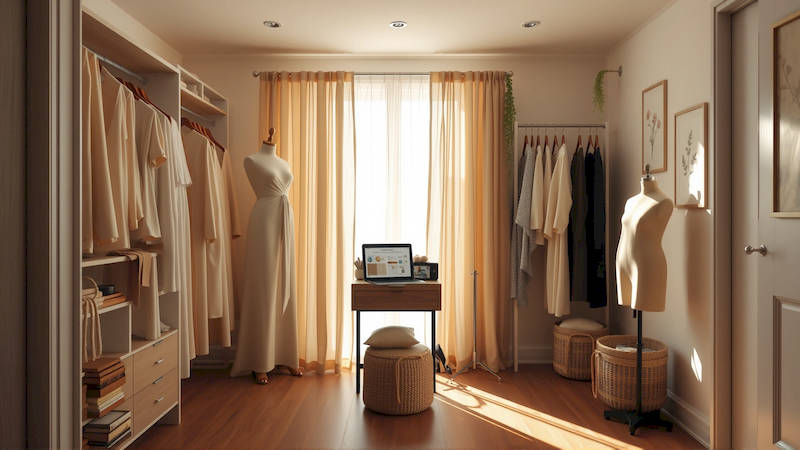
The concept of a capsule wardrobe – a curated collection of versatile clothing items that can be mixed and matched – has gained immense popularity in recent years, fueled by a desire for minimalist living and conscious consumption. However, the initial allure of simplicity can quickly fade when considering the demands of a professional life. A single capsule wardrobe won’t suffice if your work environment shifts from a creative startup to a conservative corporate office. The key isn’t just having a capsule wardrobe; it’s having one intelligently tailored to navigate the specific nuances of your work context. This article will serve as a comprehensive guide to building and adapting capsule wardrobes for a variety of work settings, ensuring you look and feel confident while streamlining your morning routine.
For many, work attire is linked intrinsically to professional image and performance. A 2016 study by the University of Houston found that clothing significantly impacted how individuals were perceived in professional settings, with those dressed more formally being seen as more competent and authoritative. Beyond perception, the right clothing can also influence your mindset, boosting confidence and fostering a sense of preparedness. Therefore, thoughtfully curating a work-appropriate capsule wardrobe isn’t merely about aesthetics; it's an investment in your career. It is not about having lots of clothes, but the right clothes.
- Understanding the Spectrum of Work Environments
- The Core Components: Building a Versatile Foundation
- Adapting for Formal and Business Professional Environments
- Navigating the Nuances of Business Casual
- Dressing for Creative and Tech-Forward Workplaces
- The Power of Accessories and Strategic Swaps
- Maintaining and Evolving Your Work Capsule
Understanding the Spectrum of Work Environments
Before diving into specific capsule wardrobe builds, it's crucial to accurately assess the dress code expectations of your workplace. These environments are rarely black and white. Instead, they fall along a spectrum, ranging from highly formal to extremely casual. Ignoring these subtle cues can lead to feeling out of place or even undermining your professional credibility. Categorizing your environment is the first vital step. Is it a high-powered law firm demanding bespoke suits, or a tech startup where jeans and a t-shirt are the norm? Perhaps it’s somewhere in between – business casual with some flexibility.
A ‘formal’ environment traditionally features suits (often dark colors), button-down shirts, conservative dresses, closed-toe shoes, and minimal accessories. ‘Business professional’ builds on this, often allowing for separates like blazers and dress pants, but maintains a polished, structured look. ‘Business casual’ introduces more flexibility, incorporating chinos, skirts, sweaters, and blouses while still maintaining a reasonably professional look. Finally, ‘casual’ allows for jeans, t-shirts (usually with company branding or within guidelines), and comfortable shoes – but even this often has unspoken boundaries regarding appropriateness and cleanliness. Carefully observe colleagues, review company handbooks (if available), and don’t be afraid to ask HR for clarification if needed.
Once your workplace environment is categorized, the real work begins in building the foundations of your capsule wardrobe. A helpful exercise is to identify the percentage of time you spend in each category of formality. For example, you might work in a business casual environment 80% of the time, but have client meetings requiring business professional attire 20% of the time. This will dictate how much of your capsule you dedicate to each level of formality.
The Core Components: Building a Versatile Foundation
Regardless of the specific work environment, certain foundational pieces are essential for almost any work-appropriate capsule. These are the items that act as building blocks, adaptable to multiple outfits and capable of being layered for different levels of formality. Start with neutral colors – navy, grey, black, beige, and white – as they offer maximum versatility and easy matching. Quality over quantity is paramount here; investing in well-made, durable pieces will save you money in the long run and ensure a more polished appearance.
Essential pieces include well-fitting trousers (at least two pairs in neutral colors), a classic blazer (navy is incredibly versatile), a crisp white button-down shirt (or two!), a selection of sophisticated blouses (silk or crepe are good options), comfortable yet professional-looking shoes (loafers, oxfords, or block heels are excellent choices), and a neutral-colored cardigan or sweater for layering. Consider also a classic sheath dress that can be dressed up or down with different accessories. These core elements form the backbone of any work capsule and can be adapted to suit different environments with the addition of strategically chosen accent pieces.
It's important to consider fabric choices. Natural fibers like wool, silk, and cotton are breathable and generally look more professional than synthetic alternatives. However, blends can offer wrinkle resistance and ease of care, making them practical choices for busy workdays. Don't underestimate the power of tailoring! Even affordable pieces can look significantly more expensive with a professional fit.
Adapting for Formal and Business Professional Environments
For those in highly formal or business professional workplaces, the capsule wardrobe will lean towards more structured and conservative pieces. The foundational elements discussed earlier remain essential, but with a greater emphasis on tailoring and classic silhouettes. A minimum of two well-fitted suits is a must – navy and grey are the most versatile choices. Supplement these with additional dress shirts or blouses in neutral colors and subtle patterns.
Accessories become particularly important in these environments, adding polish and sophistication without being disruptive. A quality leather handbag, a classic watch, and understated jewelry are essential. Avoid overly trendy or flashy items. Shoes should be closed-toe and conservative in style – pumps or oxfords are ideal. Consider adding a sophisticated trench coat for outerwear, and a silk scarf for an extra touch of elegance. The objective here is to project competence and authority through a carefully curated and consistently polished appearance.
Navigating the Nuances of Business Casual
Business casual provides more flexibility, allowing for a greater degree of personal expression. However, it's also a potentially tricky area, as the interpretation of "business casual" can vary significantly between organizations. Here, the emphasis shifts from structured suits to well-coordinated separates. Chinos, dress pants, skirts (knee-length or slightly below), and blouses become key elements.
Investing in versatile sweaters and cardigans is particularly important for layering. A Breton stripe top or a well-chosen patterned blouse can add visual interest without being overly casual. Footwear options expand to include loafers, ankle boots, and comfortable flats. While jeans may be acceptable in some business casual environments, they should always be dark wash, well-fitting, and paired with a more polished top and shoes. Accessories can be more expressive in this environment, but still maintain a level of professionalism. A statement necklace or a colorful scarf can add personality without being distracting.
Dressing for Creative and Tech-Forward Workplaces
Creative and tech-forward workplaces often have the most relaxed dress codes, allowing for a greater expression of personal style. However, even in these environments, it's crucial to strike a balance between comfort and professionalism. Jeans are often acceptable, but they should still be clean, well-fitting, and free of rips or excessive distressing. T-shirts are common, but avoid anything with offensive graphics or slogans.
Layering is key. A denim jacket, a bomber jacket, or a stylish cardigan can add a layer of sophistication to a casual outfit. Sneakers are often acceptable, but opt for clean, minimalist styles rather than overly athletic options. This environment allows for more experimentation with color and pattern, but it's still important to maintain a level of polish and avoid looking sloppy. Consider integrating elements of ‘smart casual’ - a knitted polo with tailored trousers, a blazer over a graphic tee, or a stylish jumpsuit.
The Power of Accessories and Strategic Swaps
Accessories are the secret weapon of a well-curated capsule wardrobe. They allow you to transform a simple outfit into something more polished or expressive. A statement necklace, a colorful scarf, or a stylish belt can completely change the look and feel of an outfit. Investing in a few high-quality accessories can significantly increase the versatility of your capsule wardrobe.
Strategic swaps are also crucial. For example, swapping out sneakers for loafers instantly elevates a casual outfit to business casual. Adding a blazer over a t-shirt and jeans transforms a weekend look into something appropriate for a more relaxed office environment. Learning to utilize these simple swaps allows you to maximize the potential of your capsule wardrobe and navigate different work situations with ease.
Maintaining and Evolving Your Work Capsule
A capsule wardrobe isn't a static entity; it requires ongoing maintenance and occasional adjustments. Regularly assess your wardrobe to identify items that are no longer fitting properly or that you simply don't wear. Consider donating or selling these items to make room for new pieces. Keep a running list of items you need to replace or add to your capsule, and prioritize quality over quantity when making new purchases.
Periodically re-evaluate your work environment and adjust your capsule accordingly. If your job responsibilities change or your company's dress code evolves, you may need to add or remove certain items. Remember that the goal is to create a wardrobe that supports your professional success and makes you feel confident and comfortable in your work environment.
In conclusion, tailoring your capsule wardrobe for different work environments isn’t just about following rules; it’s about understanding the unspoken expectations of your specific workplace and building a collection of versatile, high-quality pieces that empower you to present your best self. By accurately assessing your environment, building a strong foundation of neutral essentials, and strategically leveraging accessories, you can create a wardrobe that is both functional and stylish – a wardrobe that supports not only your professional image, but also your confidence and overall well-being. The key takeaway is thoughtful assessment, quality curation, and consistent adaptation. Start small, focus on fit, and remember that a well-chosen capsule wardrobe is an investment in your career and a pathway to a more streamlined and successful professional life.
Deja una respuesta