
How to Maintain Minimalist Kitchen Essentials for Longevity
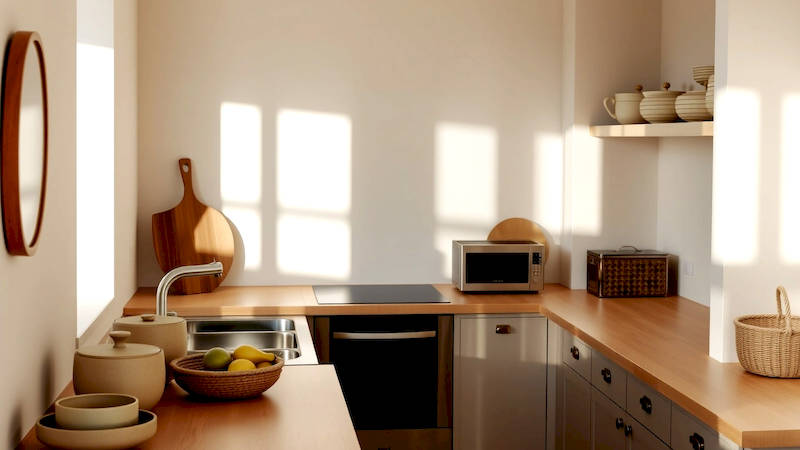
The minimalist kitchen isn't about stark emptiness; it’s about intention. It’s a carefully curated space where every item earns its place, serving a purpose and bringing joy. While the initial declutter can be liberating, maintaining that minimalist state – ensuring you don’t fall back into accumulation – is a sustained effort. Many people embrace the idea of a minimalist kitchen, but struggle with the practice of keeping it that way. This isn’t simply about resisting impulse purchases, but about developing a mindful relationship with your tools, ingredients, and the very act of cooking.
The longevity of your minimalist kitchen hinges on proactively caring for your chosen essentials. It’s a shift from consumerism to custodianship, where you view your belongings as valuable tools to be cherished and maintained rather than disposable items to be readily replaced. This approach not only saves money in the long run, but also reduces waste and encourages a deeper appreciation for quality over quantity. Truly embracing a minimalist kitchen is a commitment to conscious consumption and thoughtful maintenance.
This article will delve into practical strategies for maintaining your minimalist kitchen essentials, ensuring they remain functional, beautiful, and contribute to a streamlined cooking experience for years to come. We'll move beyond decluttering to focus on the proactive habits that make a minimalist kitchen a sustainable lifestyle choice, not a fleeting trend.
- Understanding the ‘Why’ Behind Your Minimalist Choices
- Proactive Cleaning and Preventative Care: The First Line of Defense
- Material Matters: Tailoring Care to Your Essentials
- The Repair and Restoration Mindset: Extending Lifespan Through TLC
- Strategic Replacements: Upgrading with Intention
- Regularly Re-Evaluate Your Needs & The ‘One In, One Out’ Rule
- Conclusion: Cultivating a Lasting Minimalist Kitchen Philosophy
Understanding the ‘Why’ Behind Your Minimalist Choices
Before diving into specific maintenance techniques, it’s crucial to revisit the reasons you chose a minimalist kitchen in the first place. Was it to reduce stress? To simplify meal preparation? To prioritize experiences over possessions? Remembering your initial motivations will reinforce your commitment and make it easier to resist the pull of unnecessary additions. Maintaining minimalism isn't just about what you don't buy, but why you chose not to buy it.
This mindful reflection extends to each item you own. Knowing the story behind each tool – why you selected it, what problem it solves – fosters a sense of value and increases the likelihood you’ll take good care of it. Consider keeping a small journal alongside your kitchen to jot down the purpose and reasons for keeping a specific item. This act of intentional cataloging can prevent “phantom need” purchases; the feeling you might need something without actively knowing why.
Furthermore, understanding your cooking style and needs is essential. A minimalist cook focusing on simple, healthy meals will have different essential items compared to someone who enjoys complex baking or elaborate cuisines. Periodically reassess your actual cooking habits to ensure your minimalist setup genuinely supports your lifestyle. Are there tools you haven't used in six months? Could certain items be multi-purpose to further reduce clutter?
Proactive Cleaning and Preventative Care: The First Line of Defense
Consistent cleaning isn’t just about hygiene; it’s the cornerstone of longevity for your kitchen essentials. Regular wiping of surfaces, prompt cleaning of spills, and immediate washing of dishes prevent the build-up of grime, rust, and damage. The longer you delay cleaning, the more difficult – and potentially damaging – the task becomes. Aim for a 'clean as you go' mentality during cooking, addressing spills and messes immediately, rather than letting them accumulate.
Beyond daily cleaning, recurring preventative maintenance is vital. For example, wooden cutting boards require regular oiling to prevent cracking and warping. Cast iron cookware needs to be seasoned and properly stored to avoid rust. Sharp knives should be honed regularly and professionally sharpened at least annually. These small, consistent efforts dramatically extend the lifespan of your investments, saving you money and reducing waste. “Taking care of your things is a form of respect, both for the item itself and for the resources used to create it”, notes Marie Kondo in her book The Life-Changing Magic of Tidying Up.
Consider creating a simple cleaning schedule; weekly tasks like cleaning the oven and refrigerator, and monthly tasks like deep cleaning the pantry and checking the condition of small appliances. This structured approach prevents tasks from being overlooked and ensures that your kitchen remains pristine and your essentials are well-maintained.
Material Matters: Tailoring Care to Your Essentials
Different materials demand different care approaches. Stainless steel, while durable, is prone to water spots and fingerprints, requiring regular polishing. Non-stick cookware, while convenient, isn't resistant to scratching; using only silicone or wooden utensils is paramount. Glassware requires careful handling to prevent breakage, while ceramic can chip easily. Ignoring these material-specific needs will significantly shorten the lifespan of your essentials.
Understanding the properties of your materials also influences your storage practices. Metal cookware should not be stacked directly on top of each other without protection to avoid scratches. Wooden items should be stored in a well-ventilated area to prevent mold growth. Plastics, especially food-grade plastics, need to be protected from excessive heat. Investing in appropriate storage solutions, such as pot protectors, knife blocks, and breathable containers, is a worthwhile investment in the long-term health of your kitchen essentials.
Moreover, when replacing items, consider materials known for their durability and sustainability. For instance, opting for a carbon steel pan instead of non-stick provides superior longevity and a more environmentally friendly option.
The Repair and Restoration Mindset: Extending Lifespan Through TLC
Before discarding a damaged item, explore repair possibilities. A chipped mug can sometimes be repaired with specialized ceramic glue. A wobbly chair can be tightened with a screwdriver. A dull knife can be professionally sharpened. Embracing a repair-first mindset minimizes waste and fosters resourcefulness. Online tutorials and local repair shops can often provide the resources and expertise needed to tackle minor repairs conveniently.
Restoration can breathe new life into aging essentials. A rusty cast iron pan can be stripped and re-seasoned. A tarnished silver utensil can be polished to its former glory. Worn wooden handles can be sanded and oiled. These restoration projects are not only cost-effective but also deeply satisfying, fostering a sense of connection to your belongings. The Japanese concept of "Kintsugi" – repairing broken pottery with gold – exemplifies this philosophy, celebrating imperfections and imbuing items with even greater value through their history.
However, know when to let go. Sometimes, repair is impractical or cost-prohibitive. In these cases, prioritize responsible disposal through recycling or donation.
Strategic Replacements: Upgrading with Intention
Inevitably, some kitchen essentials will eventually reach the end of their useful life. When replacements are necessary, approach the process with the same intentionality that guided your initial minimalist choices. Avoid impulse purchases and resist the allure of trendy gadgets. Prioritize quality, durability, and multi-functionality.
Research reviews and compare options before making a purchase. Consider the long-term cost of ownership, including maintenance and potential repairs. Focus on selecting items that genuinely enhance your cooking experience and align with your minimalist principles. According to a study by the Environmental Protection Agency, the average household generates approximately 4.9 pounds of waste per day, a significant portion of which comes from discarded household goods. Mindful replacements can contribute to a reduction in this waste stream.
Furthermore, explore alternatives to traditional purchases. Can you borrow a specialized gadget from a friend or neighbor? Can you find a high-quality, used item at a thrift store or online marketplace?
Regularly Re-Evaluate Your Needs & The ‘One In, One Out’ Rule
Maintaining a minimalist kitchen isn't a one-time event, but an ongoing process of evaluation. Periodically, take stock of your kitchen essentials and assess whether they continue to serve your needs. Has your cooking style changed? Have you acquired new skills or interests? Do you have duplicates of items? Be honest with yourself and let go of anything that no longer adds value.
The "one in, one out" rule is a powerful tool for preventing creep in your kitchen. Whenever you acquire a new item, commit to discarding or donating something similar. This ensures that your collection remains streamlined and prevents clutter from reaccumulating. "The goal isn’t to live with as little as possible, it’s to live with the right things" – a quote often attributed to minimalist blogger, The Minimalists.
Finally, resist the marketing pressure to constantly upgrade or replace your items. A well-maintained, minimalist kitchen doesn’t require frequent updates; it’s about appreciating what you have and using it to its full potential.
Conclusion: Cultivating a Lasting Minimalist Kitchen Philosophy
Maintaining minimalist kitchen essentials for longevity is more than a set of cleaning and organization tasks; it's a fundamental shift in mindset. It requires a continuous commitment to conscious consumption, proactive care, and mindful evaluation. By understanding the reasons behind your minimalist choices, tailoring your maintenance to specific materials, embracing repair and restoration, and strategically replacing items when necessary, you can cultivate a kitchen that is both functional and sustainable.
The key takeaways are threefold: prioritize mindful acquisition, commit to preventative maintenance, and regularly re-evaluate your needs. Embrace the principle of ‘less, but better’ – focusing on quality over quantity. Start by implementing one or two of these strategies this week, whether it’s oiling your wooden cutting board, scheduling a knife sharpening, or adopting the 'one in, one out' rule. A minimalist kitchen, sustained over time, is a testament to mindful living—a space that supports your well-being and reflects your values. The ultimate reward isn’t simply a tidy kitchen, but a calmer, more intentional life.
Deja una respuesta