
Minimalist Meal Prep: Tools and Containers That Simplify Cooking
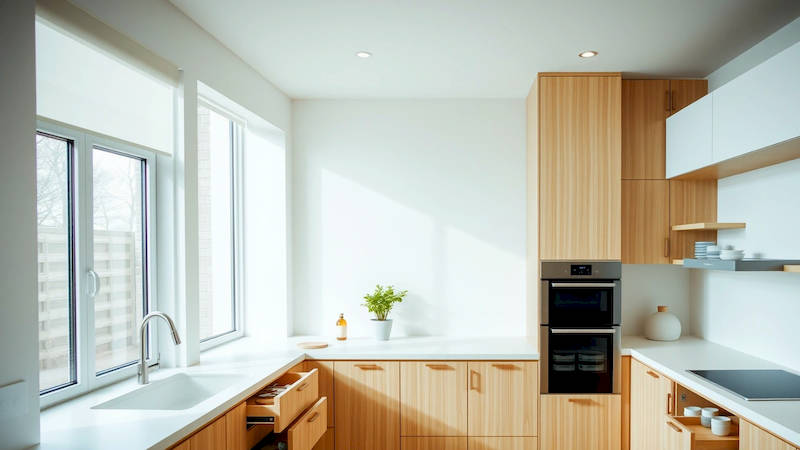
The pursuit of a minimalist lifestyle often begins with decluttering physical possessions, but it extends far beyond our wardrobes and living rooms. A minimalist approach to the kitchen, and specifically to meal preparation, can dramatically reduce stress, save time, and foster a healthier relationship with food. In today’s fast-paced world, it’s easy to fall into cycles of takeout and last-minute grocery runs, contributing to both financial strain and nutritional imbalance. Minimalist meal prep isn’t about restrictive diets or complicated recipes; it's about strategic planning, efficient tool usage, and mindful consumption—culminating in a streamlined cooking process that aligns with a simpler, more intentional lifestyle.
The core principle rests on working with your space and time, not against them. Overcrowded kitchens, laden with single-use gadgets and mismatched containers, actively hinder efficient cooking. By carefully curating a small set of high-quality tools and storage solutions, you eliminate decision fatigue, reduce cleaning time, and free up valuable mental bandwidth. This isn’t just about aesthetics; numerous studies show a correlation between cluttered environments and increased cortisol levels – the stress hormone. Minimalist meal prep aims to create a sanctuary for nourishment, a calm space where cooking is a joy rather than a chore.
This article guides you through the essential tools and container systems to build a minimalist meal prep system, equipping you to tackle weekly cooking with ease and cultivate a more peaceful relationship with food. We'll move beyond just listing items to analyzing why each is valuable within a minimalist context and how to best integrate them into your routine.
- The Core Cutting & Cooking Crew: Essential Tools
- Container Considerations: Prioritizing Versatility & Stackability
- Embracing Batch Cooking: Pots, Pans & Insulated Carriers
- The Art of Smart Chopping: Chopping Boards & Gadgets
- Labeling & Organization: Maintaining Meal Prep Harmony
- Cleaning & Maintenance: Preserving Your Investment
- Beyond the Basics: The Optional Extras
The Core Cutting & Cooking Crew: Essential Tools
A truly minimalist kitchen isn't about having no tools, it's about having the right tools – those that perform multiple functions and elevate your efficiency. This starts with a sharp chef’s knife, considered by many professional cooks to be the most important tool in the kitchen. Investing in a high-quality, 8-10 inch chef’s knife will significantly reduce prep time and improve safety. Think of it as the workhorse of your kitchen; it can handle chopping vegetables, slicing meats, and even mincing herbs with ease. A dull knife is far more dangerous than a sharp one, requiring more force and increasing the risk of slipping.
Beyond the chef’s knife, a pairing knife is equally crucial for smaller tasks like peeling fruits and vegetables. A durable cutting board, preferably made of wood or a high-density polyethylene, is also essential. Avoid flimsy plastic boards that warp and harbor bacteria. Opt for one large enough to accommodate substantial chopping, and pair it with a non-slip mat to keep it securely in place. Finally, a good quality sauté pan and a saucepan forms the foundation for most recipes. These should be made of stainless steel or cast iron, known for their durability and even heat distribution. Avoid non-stick coatings, as they degrade over time and can leach harmful chemicals.
A minimalist approach doesn’t necessitate owning every appliance. Instead, prioritize versatile tools like an immersion blender – a space-saving alternative to a full-size blender for soups, sauces, and smoothies – or a Dutch oven, which can seamlessly transition from stovetop to oven. Regularly assess your tools: if you haven't used something in six months, realistically consider whether you truly need it.
Container Considerations: Prioritizing Versatility & Stackability
The right containers are paramount for successful meal prep. The goal is to minimize clutter and maximize space, which means prioritizing containers that are stackable, versatile, and durable. Glass containers are generally considered the best option for long-term use. They don’t stain, leach chemicals, or retain odors like plastic, and they can withstand both high and low temperatures. Look for containers with airtight lids to keep food fresh and prevent spills.
However, glass can be heavy and breakable. A sensible compromise is a combination of glass and high-quality, BPA-free plastic containers. When choosing plastic, opt for polypropylene (PP) containers, which are considered safer and more durable than other plastic types. Invest in a set of containers in various sizes—small for snacks, medium for individual meals, and large for batch cooking components. Consider containers with dividers for portioning meals or separating components.
Beyond food storage, think about versatile containers you can use for multiple purposes. Mason jars are excellent for overnight oats, salads, or even storing dry goods. Silicone food storage bags are reusable, space-saving, and perfect for freezing portions. The key is to avoid specialized, single-use containers that contribute to kitchen clutter.
Embracing Batch Cooking: Pots, Pans & Insulated Carriers
Minimalist meal prep thrives on batch cooking – preparing large quantities of basic ingredients that can be transformed into multiple meals throughout the week. This requires having the right equipment to handle larger volumes of food. A large stockpot is essential for cooking grains, making soups, or prepping beans. A sheet pan is incredibly versatile for roasting vegetables, baking proteins, or toasting nuts.
When batch cooking, consider utilizing an Instant Pot or slow cooker. These appliances automate the cooking process, freeing up your time and allowing you to prepare meals with minimal effort. An Instant Pot excels at cooking beans, grains, and even entire meals in a fraction of the time compared to traditional methods. Slow cookers are ideal for soups, stews, and braised meats, allowing you to set it and forget it.
Finally, invest in an insulated food carrier to keep your prepped meals warm or cold while transporting them to work or school. This eliminates the need for reheating and ensures you have a healthy, convenient meal on hand. Look for carriers with separate compartments to prevent flavors from mingling.
The Art of Smart Chopping: Chopping Boards & Gadgets
While a chef's knife is paramount, specific chopping tools can make meal prep significantly faster and easier. A mandoline slicer, used with caution (always use the finger guard!), can quickly and uniformly slice vegetables for salads, slaws, or gratins. A vegetable peeler is a must-have for peeling carrots, cucumbers, and potatoes. A garlic press can save you time and effort when mincing garlic.
However, resist the urge to accumulate a mountain of single-use gadgets. Prioritize tools that offer versatility and solve a genuine problem. For instance, a spiralizer can be useful for creating vegetable noodles, but it's not essential if you rarely make them. A box grater is a versatile tool for grating cheese, vegetables, and even chocolate. Consider a herb scissor; it’s much faster than chopping herbs with a knife.
Regularly audit your chopping tools and assess their usefulness. If a gadget occupies valuable space and is rarely used, it's time to let it go. The goal is to have a streamlined collection of tools that enhance your efficiency without contributing to clutter.
Labeling & Organization: Maintaining Meal Prep Harmony
Once your meals are prepped and stored, proper labeling and organization are crucial for maintaining order and preventing food waste. Invest in a set of reusable labels and a permanent marker. Clearly label each container with the contents and the date it was prepared. This will help you easily identify what you have on hand and ensure you consume food before it spoils.
Organize your refrigerator strategically, keeping prepped meals in a designated area. Use clear containers to allow you to see what’s inside at a glance. Group similar items together to maximize space and efficiency. Consider using shelf liners to prevent spills and make cleaning easier. A well-organized refrigerator not only prevents food waste but also makes mealtime less stressful.
Extend this principle to your pantry or dry goods storage. Decant grains, nuts, and seeds into airtight containers and label them clearly. This will not only keep your food fresh but also create a visually appealing and organized pantry.
Cleaning & Maintenance: Preserving Your Investment
Maintaining your minimalist kitchen tools requires consistent cleaning and care. Clean your knives immediately after use and store them safely in a knife block or on a magnetic strip. Handwash your cast iron cookware and season it regularly to prevent rusting. Wash your glass containers in warm, soapy water and avoid using abrasive cleaners.
Inspect your containers regularly for signs of wear and tear. Replace cracked or damaged containers promptly to prevent accidents and maintain hygiene. Dishwasher-safe containers can save you time and effort, but handwashing is often gentler and more effective for delicate items.
Regularly declutter your kitchen, removing any broken or unused items. A minimalist kitchen is not just about owning fewer things; it's about maintaining a curated collection of tools that you genuinely use and enjoy.
Beyond the Basics: The Optional Extras
While the above outline constitutes the core of a minimalist meal prep setup, some additions can further enhance your experience. An accurate kitchen scale is helpful for precise portioning, particularly when following specific dietary requirements. A food processor can be useful for making sauces, dips, or chopping large quantities of vegetables, but it's not essential for everyone.
Consider investing in reusable silicone baking mats to reduce the need for parchment paper. A set of metal measuring cups and spoons offers durability and accuracy. Finally, a compost bin can help you reduce food waste and create nutrient-rich soil for your garden. These extras can be added gradually as needed, ensuring they align with your individual needs and preferences.
In conclusion, minimalist meal prep is about more than just reducing clutter; it's about creating a more streamlined, efficient, and enjoyable cooking experience. By carefully curating a small set of high-quality tools and containers, prioritizing versatility, and embracing batch cooking, you can simplify your meal preparation routine, save time and money, and foster a healthier relationship with food. Remember to prioritize quality over quantity, regularly assess your needs, and embrace the freedom that comes with owning less. Start small, perhaps by replacing plastic containers with glass, or investing in a truly excellent chef’s knife. The goal isn't perfection, but progress—a gradual shift towards a more intentional and sustainable approach to nourishing yourself and your loved ones. The benefits extend beyond the kitchen, creating a ripple effect of calm and clarity throughout your entire life.
Deja una respuesta