
How to Choose Multipurpose Kitchen Tools for a Minimalist Setup
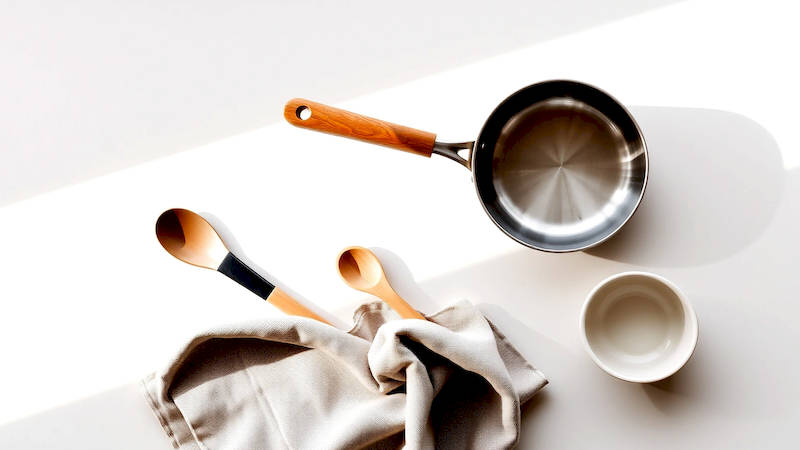
The kitchen, often the heart of the home, can quickly become a repository for gadgets and gizmos – many used only once or twice. In the pursuit of minimalist living, however, the kitchen presents a unique challenge. We rely on it daily, and sacrificing functionality for aesthetic simplicity isn’t a viable option. The key isn’t to eliminate tools, but to curate a collection of highly versatile items that minimize clutter while maximizing capability. This means prioritizing multipurpose tools that can shoulder multiple responsibilities, streamlining your workflow and creating a calm, functional cooking space.
The appeal of a minimalist kitchen extends beyond visual neatness. It's about intentionality, reducing stress, and fostering a more mindful approach to cooking and eating. When you’re not constantly searching for the right tool or overwhelmed by options, you’re more likely to enjoy the process. Furthermore, investing in quality, multipurpose tools is often more sustainable and cost-effective in the long run. A single, well-made tool that performs several functions can replace a drawer full of cheaper, single-use items.
This article delves into the art of selecting multipurpose kitchen tools for a minimalist setup. We’ll explore key considerations, specific items to prioritize, and how to evaluate whether a tool truly deserves a place in your streamlined kitchen. We'll move beyond simple lists to provide a framework for thoughtful decision-making, eventually helping you build a kitchen equipped for any culinary challenge, without being weighed down by unnecessary possessions. Ultimately, the goal is a kitchen that fosters creativity and ease rather than feeling chaotic and restrictive.
Identifying Your Core Cooking Needs
Before even considering specific tools, the first step towards a minimalist kitchen is a brutally honest assessment of your cooking habits. What do you actually cook? How often do you cook? What types of cuisine do you most frequently prepare? A dedicated baker will have different requirements than someone who primarily reheats leftovers and prepares simple weeknight meals. Don't base your purchases on aspirational cooking – focus on your current reality. Creating a detailed list of the tasks you perform regularly – chopping, slicing, mixing, sautéing, baking, etc. – is a crucial starting point.
This self-assessment needs to be realistic. It’s tempting to overestimate our culinary skills or imagine ourselves tackling elaborate recipes regularly, but this leads to unnecessary purchases. Consider how frequently you use existing tools. Have you used that garlic press in the last six months? That avocado slicer? If not, it's a strong candidate for removal. Further categorize your tasks by frequency – daily, weekly, monthly, or rarely. This hierarchy helps prioritize which tools must be multipurpose, and which tasks could potentially be handled with inventive adaptations or even outsourced (like pre-cut vegetables if convenience is paramount). As Marie Kondo famously advocates, keep only those things that “spark joy,” but in a minimalist kitchen, functionality must trump fleeting enthusiasm.
Finally, remember that multipurpose doesn’t necessarily mean a single tool can do everything. It means a tool can perform several essential functions effectively. A chef’s knife, for example, isn't a substitute for a paring knife in all situations, but it can handle a vast majority of chopping and slicing tasks, making it a cornerstone of a minimalist kitchen. The focus is on optimizing functionality within a limited space, rather than striving for impossible all-in-one solutions.
The Pillars of a Minimalist Kitchen Toolkit
Certain tools are almost universally valuable in a minimalist kitchen, due to their versatility. A high-quality chef’s knife is paramount. Investing in an 8-10 inch chef’s knife made from high-carbon stainless steel will be a game changer. This single tool can handle dicing, mincing, slicing, and even some light butchery. Prioritize balance, comfort, and sharpness over brand name, and consider professional sharpening services to maintain its edge. Alongside the chef's knife, a good paring knife is essential for smaller tasks like peeling fruits and vegetables or trimming meats.
The next critical piece is a versatile Dutch Oven. It can be used for soups, stews, braising, baking bread, and even deep frying. A 5-6 quart enameled cast iron Dutch oven is a workhorse that can replace several dedicated pots and pans. A stainless steel skillet, preferably 10-12 inches, is also non-negotiable for sautéing, searing, and frying. Opt for a heavy-bottomed skillet for even heat distribution. It’s often overlooked, but a good quality cutting board – preferably a large wooden or bamboo board – is crucial, providing a stable and hygienic surface for all your chopping needs. These four items – chef’s knife, paring knife, Dutch oven, and skillet – form the foundation of a truly functional minimalist kitchen.
Beyond these core items, consider a sturdy mixing bowl (stainless steel or glass). It can be used for everything from prepping ingredients to tossing salads to mixing dough. A good heat-resistant spatula (silicone is ideal) is also invaluable for stirring, scraping, and folding. These six items cover a remarkably broad range of cooking tasks, fulfilling the needs of most home cooks.
Evaluating "Multipurpose" Claims – Don't Be Fooled!
The term “multipurpose” is often liberally applied to kitchen gadgets, but it's crucial to critically evaluate these claims. A tool may technically perform multiple functions, but doing so poorly renders it useless in a minimalist setup. A garlic press that leaves half the garlic behind, or a vegetable peeler that struggles with firm skins, are not savers of space – they're just frustrating additions to your drawers. Always prioritize quality and effectiveness over sheer quantity of functions.
Focus on tools that excel at multiple essential tasks. A food processor, for example, can chop, puree, shred, and even make dough, but it’s a relatively large appliance that requires significant storage space. If you only occasionally perform these tasks, a chef's knife and a little elbow grease are often a more minimalist solution. When evaluating a tool, ask yourself: "Will this genuinely replace another item I own, or will it simply be another thing to store?" Read reviews, compare features, and, if possible, try the tool out before committing to a purchase.
A common trap is falling for gimmicky gadgets advertised as "space-saving wonders.” These often compromise on quality and functionality, ultimately adding more clutter than they eliminate. Remember, minimalism isn’t about owning the fewest possible items; it’s about owning the right items.
Materials Matter: Durability & Sustainability
In a minimalist mindset, choosing durable, sustainably-made tools is paramount. The goal isn't just to reduce clutter, it's also to reduce consumption and waste. Investing in high-quality items that will last for years (or even decades) is more environmentally responsible than frequently replacing cheap, flimsy tools. Stainless steel, cast iron, and wood are all excellent choices, offering both durability and sustainability.
Avoid plastic whenever possible. While convenient and inexpensive, plastic tools are prone to breaking, staining, and absorbing odors. They also contribute to plastic pollution. Consider the origin and manufacturing process of the tools you purchase. Look for brands that prioritize ethical sourcing and environmentally friendly practices. This might entail a higher initial cost, but it's an investment in long-term value and a smaller environmental footprint.
Furthermore, repairability is a crucial factor. Can the tool be sharpened, repaired, or refurbished if it breaks? Avoid items with complex mechanisms that are difficult or impossible to fix. A well-maintained cast iron skillet, for example, can last a lifetime – while a cheaply made plastic gadget will likely end up in a landfill after only a few uses.
Storage Solutions for a Minimalist Kitchen
Even the most thoughtfully curated collection of tools will feel overwhelming if storage isn't addressed. A minimalist kitchen isn't just about what you own; it’s about how you organize it. Prioritize vertical storage solutions, such as knife racks, pot racks, and wall-mounted shelves. Drawer dividers can help keep utensils and smaller tools organized and prevent clutter.
Consider utilizing often-overlooked spaces, such as the backs of cabinet doors or the area above cabinets. Clear containers can help you quickly identify the contents, and a consistent organizational system is essential for maintaining order. Avoid overflowing drawers and countertops. Implement a "one in, one out" rule – whenever you acquire a new tool, get rid of an old one. This prevents your collection from growing out of control.
As a practical exercise, conduct a “kitchen audit.” Remove everything from your drawers and cabinets. Only return items that you use regularly and that genuinely contribute to your cooking process. This process can be surprisingly liberating, forcing you to confront your attachment to unnecessary possessions.
Beyond Tools: Embracing Adaptability
Ultimately, minimalist cooking isn’t just about the tools you own; it's about cultivating a resourceful, adaptable mindset. Learning to improvise and make the most of what you have is a core principle of minimalist living. Can you use the back of a spoon to mash potatoes instead of a dedicated masher? Can you use a plate as a makeshift cutting board in a pinch?
Embrace creativity and don't be afraid to experiment. The less you rely on specialized gadgets, the more intuitive and confident you'll become in the kitchen. This also extends to ingredient usage—thinking creatively about how to use leftovers, minimizing food waste, and maximizing the value of each purchase. This holistic approach brings a sense of calm and control to your cooking experience, embodying the principles of minimalist living.
Conclusion: Less Clutter, More Cooking
Creating a minimalist kitchen isn’t about deprivation; it's about intentionality. By carefully assessing your cooking needs, prioritizing multipurpose tools, and embracing adaptability, you can create a functional, aesthetically pleasing, and truly enjoyable cooking space. Remember to prioritize quality, durability, and sustainability in your purchases. Don't fall for gimmicky gadgets, and always ask yourself whether an item genuinely adds value to your culinary life.
The core takeaway is this: a minimalist kitchen doesn’t limit your cooking abilities; it enhances them. It forces you to focus on the essentials, to be more creative with your resources, and to cultivate a deeper connection with the process of preparing food. Start by identifying your core cooking tasks, investing in a few key multipurpose tools, and ruthlessly decluttering your existing collection. The result will be a kitchen that is not only more organized and efficient, but also more conducive to joy, creativity, and mindful living. Begin with the assessment described in section one, and then commit to replacing one single-use item per week with a higher-quality, multipurpose alternative. This small, consistent effort will yield significant results over time.
Deja una respuesta