
Minimalist Kitchen Organization Hacks to Reduce Clutter and Streamline Cooking
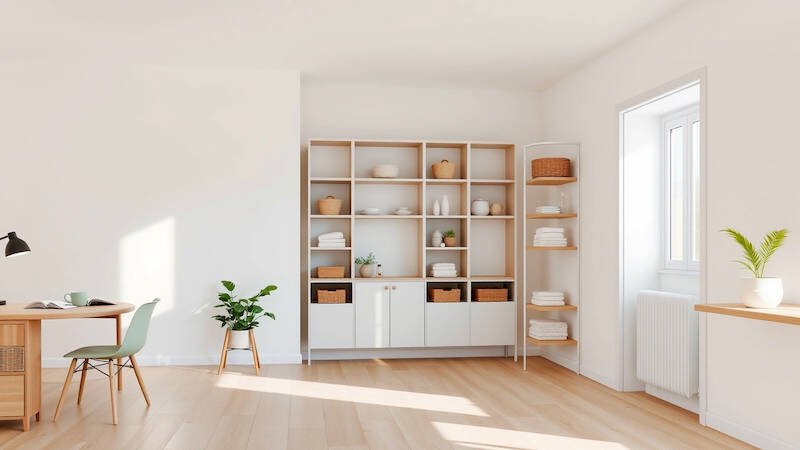
The kitchen, often touted as the heart of the home, frequently becomes a hub of clutter. From rarely-used gadgets to overflowing pantry shelves, the space designed for nourishment can ironically feel overwhelming. In a world increasingly embracing minimalism, the kitchen presents a particularly rewarding area for decluttering and organization. Adopting a minimalist approach isn’t about stark emptiness; it’s about intentionality – keeping only what serves a purpose and arranging it in a way that fosters calm and efficiency. This allows for a more enjoyable cooking experience and a greater capacity to savor the simple act of creating meals.
The benefits extend far beyond aesthetics. A streamlined kitchen reduces stress, saves time, and even encourages healthier eating habits. When you can easily see and access what you have, you're less likely to order takeout or let ingredients spoil. A minimalist kitchen fosters mindful consumption, prompting us to consider purchases carefully and avoid impulse buys that add to the chaos. According to a study by The Container Store, people who declutter regularly report lower levels of stress and anxiety. This makes the pursuit of a minimalist kitchen not just an organizational project, but an investment in overall well-being.
This article delves into practical, actionable strategies for decluttering and organizing your kitchen, moving beyond simple tidying to cultivate a truly minimalist space that enhances both function and tranquility. We'll explore diverse techniques, addressing common pain points and offering solutions tailored to different kitchen sizes and lifestyles.
- The Initial Purge: Identifying Kitchen Essentials
- Maximizing Vertical Space & Cabinet Organization
- Countertop Minimalism: The Power of "Clear Surfaces"
- Streamlining Drawers & Utensil Organization
- Pantry Perfection: Beyond Aesthetics
- Small Kitchen Solutions & Adaptability
- Beyond Organization: Mindful Consumption & Sustainability
The Initial Purge: Identifying Kitchen Essentials
The first step in any minimalist organization project is a ruthless declutter. This isn’t about simply putting things away; it's about critically evaluating each item and asking yourself honest questions. Do you actually use it? Have you used it in the past six months? Does it add value to your cooking experience, or is it just taking up space? Be honest with yourself; sentimentality often clouds judgment when decluttering kitchen items. Categorize items into four piles: Keep, Donate/Sell, Trash, and Relocate (items that belong in another room).
Consider implementing the “one in, one out” rule moving forward. This means that for every new kitchen item you bring into the house, you must get rid of an existing one. This prevents future clutter build-up and encourages mindful purchasing. Many people hold onto duplicate items “just in case,” but this contributes significantly to clutter. Ask yourself if the inconvenience of needing to borrow/rent the item occasionally is worse than the daily encumbrance of storing it.
Finally, remember to be realistic about your cooking habits. If you rarely bake, that extensive collection of cake decorating tools might be better suited to someone who will use them. If you primarily cook simple meals, elaborate appliances like a panini press or ice cream maker may be unnecessary. Focusing on the essentials – the tools you genuinely use and enjoy – is the cornerstone of minimalist kitchen organization.
Maximizing Vertical Space & Cabinet Organization
Kitchen cabinets are often the biggest culprits when it comes to clutter. Utilizing vertical space is crucial. Adjustable shelves are your friend – reconfigure them to accommodate items of varying heights. Shelf risers can double your usable space, allowing you to stack items neatly without obscuring what’s behind. Consider using clear containers to store pantry items like flour, sugar, and cereal; this not only maximizes space but also keeps food fresher for longer.
Inside cabinets, implement a zoning system. Designate specific areas for different types of items – cooking tools near the stove, baking supplies near the mixing area, snacks in an easily accessible spot for children. This promotes efficiency and reduces the time spent searching for what you need. Door organizers are incredibly useful for storing spices, cleaning supplies, or lids. Don’t underestimate the power of hooks – they’re perfect for hanging measuring cups, pots, and pans, freeing up valuable cabinet space.
A little-known trick is to utilize the space above your cabinets. Attractive baskets or bins can be used to store infrequently used items, effectively turning wasted space into functional storage. Ensure these items aren’t needed regularly to maintain accessibility.
Countertop Minimalism: The Power of "Clear Surfaces"
Countertops are prime real estate, and they quickly become magnets for clutter. The goal is to keep surfaces as clear as possible, maximizing workspace and creating a sense of calm. Reduce the number of appliances permanently stationed on your counters. Items like toasters, coffee makers, and blenders can be stored in cabinets or pantries when not in use. If you must keep certain items on the counter, group them together on a tray or cutting board to contain the visual clutter.
Implement a daily “reset” routine. At the end of each day, take a few minutes to clear your countertops, wipe down surfaces, and put away any stray items. This small habit prevents clutter from accumulating and ensures your kitchen always feels clean and organized. Consider a "landing zone" for incoming items like mail or groceries, but ensure this zone is regularly cleared to prevent it from becoming another clutter hotspot.
Experts at the KonMari method emphasize keeping only items that “spark joy.” While this may seem overly sentimental for kitchen tools, the principle applies. If an appliance or utensil feels cumbersome or unpleasant to use, it's likely worth reconsidering its place in your minimalist kitchen.
Streamlining Drawers & Utensil Organization
Kitchen drawers are notorious for becoming chaotic jumbles of utensils and gadgets. Drawer dividers are essential for creating dedicated spaces for each item. Separate spoons, forks, knives, and spatulas, and further categorize within each group (e.g., different sizes of spoons). Utilize expandable drawer organizers to maximize space and prevent items from shifting around. Invest in a quality knife block or magnetic knife strip to safely store knives and free up drawer space.
When organizing drawers, prioritize frequency of use. Place frequently used items in the front of the drawer and less frequently used items towards the back. Regularly evaluate the contents of your drawers and remove items you no longer need or use. Consider implementing a system where you donate or discard one utensil each time you add a new one to prevent accumulation.
Don’t overlook the “junk drawer” – everyone has one! While some level of miscellaneous items is unavoidable, aim to keep it contained and organized. Use small containers or dividers to categorize items like batteries, rubber bands, and pens. Periodically declutter it to prevent it from becoming an overwhelming mess.
Pantry Perfection: Beyond Aesthetics
The pantry is often the most neglected area of the kitchen. The key to pantry organization is visibility and accessibility. As with cabinets, clear containers are crucial, allowing you to easily see what you have and prevent food from expiring unnoticed. Label everything clearly with expiration dates. Group similar items together – canned goods, dry pasta, baking supplies, snacks.
Utilize tiered shelves or can organizers to maximize vertical space and make it easier to reach items at the back of the pantry. Implement the FIFO (First In, First Out) method – place newer items behind older items to ensure you use the older products first, minimizing waste. Regularly take inventory of your pantry and create a shopping list based on what you need, rather than impulsively buying items you may already have.
Consider decanting food from bulky packaging into smaller, more manageable containers. This frees up space and makes it easier to store items neatly. A well-organized pantry not only saves space but also encourages mindful eating and reduces food waste.
Small Kitchen Solutions & Adaptability
Minimalism doesn’t require a large kitchen. In fact, it's often more crucial in smaller spaces. Embrace multi-functional tools – a Dutch oven can serve as both a pot and a casserole dish, a cutting board with built-in colander saves space, and a nesting bowl set minimizes storage requirements. Utilize wall space with shelves, rails, and hooks to store items that would otherwise take up counter or cabinet space.
Consider under-sink organization. Utilize tiered shelves or pull-out drawers to maximize space and keep cleaning supplies organized and accessible. Over-the-door organizers can also be useful for storing sponges, brushes, and other small items. In small kitchens, it's even more important to be ruthless about decluttering and keeping only essential items. Embrace the concept of "less is more."
Remember that minimalism is a journey, not a destination. Be patient with yourself and adapt your organization system as needed. The goal is to create a kitchen that works for you and supports a more peaceful and efficient lifestyle.
Beyond Organization: Mindful Consumption & Sustainability
A minimalist kitchen isn't simply about arranging belongings; it's about a shift in mindset. It encourages mindful consumption, prompting you to question your needs versus wants. Before making a new kitchen purchase, ask yourself if it truly adds value or if it will simply contribute to clutter. Choose quality over quantity, investing in durable, long-lasting items that you'll use for years to come.
Embrace sustainable practices to reduce your environmental impact. Reduce food waste by planning meals, storing food properly, and composting scraps. Utilize reusable containers and alternatives to disposable products. Supporting local farmers and markets reduces your carbon footprint and promotes a more sustainable food system.
The principles of minimalism extend beyond the kitchen, influencing other areas of your life and fostering a more intentional and fulfilling lifestyle. This is the true power of a minimalist approach – it's not just about decluttering your space; it's about decluttering your life.
In conclusion, transforming your kitchen into a minimalist haven requires a deliberate and ongoing effort. Starting with a thorough declutter, maximizing vertical space, minimizing countertop clutter, and organizing drawers and pantries are the foundational steps. For smaller kitchens, embracing multi-functional tools and utilizing wall space is key. Ultimately, the success of a minimalist kitchen lies not just in the organization itself, but in fostering a mindset of mindful consumption and sustainability. By adopting these practices, you can create a kitchen that is not only functional and efficient but also a calming and inviting space that supports your overall well-being. Taking small, consistent steps – like the "one in, one out" rule and a daily countertop reset – will solidify these changes and make minimalist living a sustainable part of your lifestyle.
Deja una respuesta