
Top 10 Storage Solutions to Organize Small Spaces Efficiently
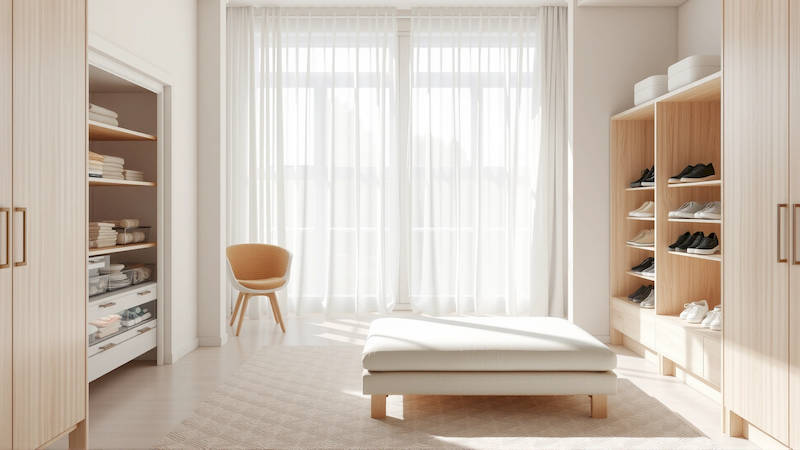
The rise of minimalist living isn’t simply about aesthetics; it’s a direct response to the increasing pressures of modern life – financial constraints, the desire for reduced stress, and an overall rejection of consumerism. A cornerstone of this lifestyle is decluttering, but decluttering alone isn't enough. Successfully transitioning to a minimalist space, particularly in smaller homes or apartments, fundamentally relies on efficient storage solutions. A cramped living space doesn’t have to feel cramped; clever storage can unlock hidden potential and transform a frustrating environment into a calm, organized haven.
Many struggle with small space living, often assuming it requires sacrificing comfort and functionality. However, with thoughtful planning and the right storage strategies, you can maximize every inch. According to a recent study by the National Association of Home Builders, the average size of a newly built home in the US is over 2,500 square feet, yet a significant portion of the population still resides in spaces considerably smaller than this. This highlights the crucial need for adaptable and efficient storage methods. This article isn't about simply buying more containers; it's about rethinking how we utilize space, prioritizing functionality, and creating a home that supports a more intentional lifestyle.
This article will explore ten impactful storage solutions tailored for small spaces, providing detailed explanations and practical tips to help you reclaim your home and embrace organized living. We’ll move beyond basic shelving to delve into innovative ideas, hidden storage options, and strategies for making the most of vertical space. The goal is to provide you with actionable insights you can implement immediately, transforming your small space into a functional and serene environment.
- 1. The Power of Vertical Storage
- 2. Under-Bed Storage: A Hidden Gem
- 3. Multi-Functional Furniture: Serving Double Duty
- 4. Wall-Mounted Folding Tables and Desks
- 5. Utilizing Door Space for Organization
- 6. Corner Shelves: Maximizing Awkward Spaces
- 7. Floating Shelves: A Modern Minimalist Touch
- 8. Storage Ottomans and Benches
- 9. Clear Storage Containers: Visibility is Key
- 10. Magnetic Strips for Kitchen Gadgets
1. The Power of Vertical Storage
When square footage is limited, looking up is often the most effective solution. Vertical storage utilizes the often-neglected space above eye level, significantly expanding your available storage without encroaching on already limited floor space. This isn't limited to just tall bookshelves; consider wall-mounted shelving units that extend towards the ceiling, utilizing otherwise unused areas. Think beyond the living room – vertical solutions are perfect for closets, kitchens, and even bathrooms.
Implementing vertical storage requires careful planning. Consider weight limits for wall-mounted shelves and ensure proper anchoring. For kitchens, install pot racks suspended from the ceiling or utilize magnetic knife strips to free up drawer space. In bathrooms, tiered shelving units above the toilet are a classic example. A successful implementation isn't just about adding shelves – it's about strategically organizing items based on frequency of use, placing less frequently used items on higher shelves and essential items within easy reach.
Furthermore, think creatively about utilizing vertical space in unexpected ways. Ladders can be repurposed as unique shelving units, and over-the-door organizers are excellent for storing shoes, toiletries, or cleaning supplies. A key is to maintain visual consistency; choosing shelves and organizers with a similar aesthetic creates a more cohesive and less cluttered look, even when maximizing vertical space.
2. Under-Bed Storage: A Hidden Gem
The space beneath your bed is frequently overlooked but represents a significant opportunity for concealed storage. Under-bed storage containers are readily available in various sizes and materials, from simple plastic bins to more sophisticated rolling containers with fabric covers. These containers are ideal for storing off-season clothing, extra bedding, shoes, or items you rarely use.
To maximize efficiency, categorize items within each container and clearly label them. Avoid simply throwing things into the containers haphazardly, as this defeats the purpose of organization. Using vacuum-sealed bags within the containers can further compress items, allowing you to store more in the same amount of space. Consider the bed frame itself; platforms with built-in drawers or lift-up storage offer even more seamless and integrated storage solutions.
However, be mindful of weight distribution. Avoid storing extremely heavy items under the bed, as this can damage the bed frame or make it difficult to access the containers. Regularly rotating items into and out of under-bed storage ensures you're only keeping items you truly need and maintaining an organized system.
3. Multi-Functional Furniture: Serving Double Duty
In small spaces, every piece of furniture should earn its keep. Multi-functional furniture is designed to serve more than one purpose, saving valuable space and reducing clutter. This includes options like ottoman storage benches that provide seating and concealed storage, coffee tables with lift-top mechanisms hiding storage compartments, and sofa beds that transform from a comfortable lounge area into a guest bed.
Choosing multi-functional furniture requires careful consideration of your lifestyle and needs. Do you frequently host guests? A sofa bed or folding chairs may be essential. Do you need extra storage for blankets and pillows? An ottoman storage bench is a perfect solution. Prioritize quality and durability, as these pieces will be used extensively. A well-chosen multi-functional item doesn’t feel like a compromise; it seamlessly integrates into your space while adding functionality.
Beyond these common examples, consider other innovative options like wall-mounted desks that fold away when not in use, dining tables with extendable leaves, or benches with built-in storage for shoes and coats. As design expert Marie Kondo notes, “Surrounding yourself with things you love is the key to creating a happy space," and multi-functional furniture can help you achieve that by only having items that are truly useful and bring joy.
4. Wall-Mounted Folding Tables and Desks
For those who occasionally need a workspace or dining area but lack the space for a dedicated table, wall-mounted folding tables and desks are a game-changer. These ingenious solutions can be folded away when not in use, freeing up valuable floor space. They are particularly ideal for small apartments, studio apartments, or home offices.
Installation typically requires secure mounting to the wall studs, ensuring stability and safety. Consider the size and weight capacity based on your intended use. A small folding table may be sufficient for occasional laptop work, while a larger, more robust table is needed for dining or more extensive tasks. In addition to folding tables, consider wall-mounted folding chairs that can be stored flat against the wall when not in use.
These solutions offer a remarkable degree of flexibility, allowing you to quickly adapt your space to suit your current needs. They are a prime example of how smart design can overcome the limitations of small spaces.
5. Utilizing Door Space for Organization
Doors represent another often-overlooked organizational opportunity. Over-the-door organizers are incredibly versatile and can be used to store a wide range of items, from shoes and toiletries to cleaning supplies and pantry staples. These organizers come in various styles, including fabric pockets, clear plastic pouches, and metal racks.
Choose an organizer that suits your specific needs and the type of items you plan to store. For bathrooms, an over-the-door organizer with multiple pockets is perfect for storing toiletries. For pantries, consider organizing cans, spices, or snacks. In closets, over-the-door shoe organizers can free up valuable floor space. Ensure the organizer is securely attached to the door and doesn't interfere with the door’s operation.
Beyond over-the-door organizers, consider using hooks on the back of doors to hang coats, towels, or robes. This simple addition can significantly enhance organization and reduce clutter. This is also a cost-effective solution.
6. Corner Shelves: Maximizing Awkward Spaces
Corners often represent “dead space” in a room, areas that are difficult to utilize effectively. Corner shelves are designed to fit snugly into these awkward spaces, transforming them into functional storage areas. They are available in various materials, styles, and sizes, allowing you to choose options that complement your décor.
When selecting corner shelves, consider the height, depth, and weight capacity. Taller shelves are ideal for displaying decorative items or storing books, while shallower shelves are better suited for smaller items. Securely mounting the shelves to the wall is crucial to prevent them from tipping over. Corner shelves are particularly effective in living rooms, bedrooms, and home offices.
These shelves are a visual reminder of how defining solutions can unlock previously unutilized space.
7. Floating Shelves: A Modern Minimalist Touch
Floating shelves offer a clean, modern aesthetic while providing valuable storage space. Unlike traditional shelving units, floating shelves have no visible supports, creating a streamlined and minimalist look. They are perfect for displaying decorative items, storing books, or organizing small accessories.
Installation requires secure mounting to the wall studs, and it’s essential to use appropriate hardware to support the weight of the items you plan to store. Consider the shelf depth; deeper shelves can accommodate larger items, while shallower shelves are ideal for smaller objects. Floating shelves can be used in any room of the house, from living rooms and bedrooms to kitchens and bathrooms.
They offer a touch of sophistication while effectively implementing a minimalist aesthetic.
8. Storage Ottomans and Benches
We previously touched on this, but the versatility of storage ottomans and benches merits further attention. Beyond simply providing seating, these pieces offer concealed storage space ideal for blankets, pillows, toys, or other items you want to keep out of sight. They are available in a wide range of styles, fabrics, and sizes to suit your décor.
When choosing a storage ottoman or bench, consider the size, weight capacity, and material. A larger ottoman provides more storage space, while a sturdier construction can handle heavier items. Choose a fabric that is durable and easy to clean. These pieces are especially useful in living rooms, bedrooms, and entryways.
9. Clear Storage Containers: Visibility is Key
Using clear storage containers, rather than opaque ones, is a surprisingly effective organizational tactic. Being able to see the contents of each container at a glance eliminates the need to rummage through multiple boxes to find what you’re looking for. This is particularly helpful when organizing off-season clothing, holiday decorations, or craft supplies.
Choose containers that are stackable to maximize vertical space. Labeling the containers is still recommended, even with clear materials, to provide a quick reference guide. Clear containers are available in various sizes and materials, including plastic and acrylic.
10. Magnetic Strips for Kitchen Gadgets
Magnetic strips aren’t just for knives! They're a brilliant solution for organizing metal kitchen gadgets like whisks, spatulas, measuring spoons, and even spice containers with magnetic bottoms. Installing a magnetic strip on a kitchen wall or inside a cabinet door frees up valuable drawer space and keeps your frequently used tools within easy reach.
Ensure the magnetic strip is securely mounted to the wall and can support the weight of the items you plan to store. This is a simple, inexpensive, and incredibly effective way to maximize space in the kitchen.
In conclusion, organizing a small space efficiently isn’t about magic; it's about strategic planning and innovative storage solutions. From maximizing vertical space and utilizing under-bed storage to embracing multi-functional furniture and the simplicity of clear containers, the options are plentiful. The key takeaway is to prioritize functionality, embrace a minimalist mindset, and continuously evaluate your storage needs. Implement these strategies, and you’ll not only reclaim your space but also create a more peaceful and organized home environment. Begin by identifying the most cluttered areas and tackling them one at a time. Label everything, consistently declutter, and remember that a well-organized space contributes to a less stressful and more fulfilling life. Don't hesitate to experiment and adapt these ideas to your unique needs and preferences - the goal is to create a home that truly works for you.
Deja una respuesta