
Transforming Small Apartments with Japanese Minimalist Style
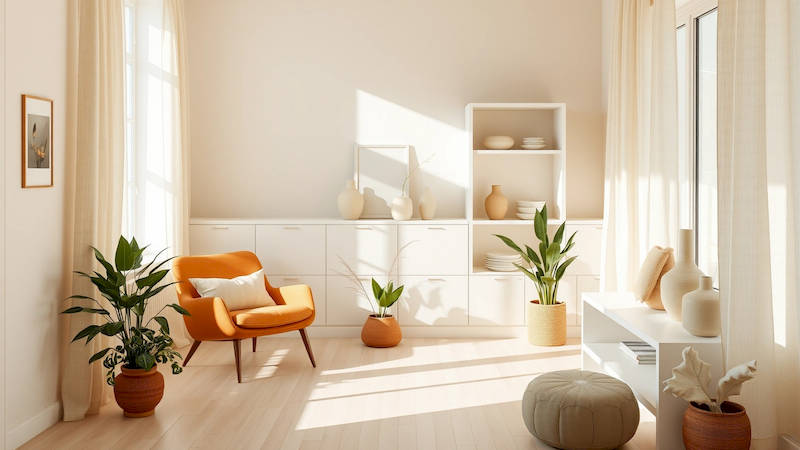
The growing trend of minimalist living isn't just about decluttering; it's a conscious shift towards intentionality and finding peace in less. This philosophy resonates particularly strongly with apartment dwellers, where space is often at a premium. Among the diverse styles within minimalism, Japanese minimalism, or Japandi (a blend of Japanese and Scandinavian aesthetics), offers a uniquely effective approach to maximizing both functionality and tranquility in small spaces. Rooted in principles of Zen Buddhism and traditional Japanese design, this style prioritizes simplicity, natural materials, and a deep connection with nature – qualities that lend themselves beautifully to creating serene, spacious-feeling apartments.
Historically, Japanese homes have been characterized by their efficient use of space, sliding doors (shoji), and a focus on fluidity between rooms. This is born from both necessity – limited land availability in Japan – and a cultural appreciation for emptiness and negative space (ma). Applying these principles isn’t about creating a sterile, empty box; it’s about carefully curating a living space that’s both beautiful and conducive to a calm, organized life. In today’s fast-paced world, where urban living often feels overwhelming, the Japanese minimalist style provides a much-needed antidote – a pathway to finding refuge and balance within the confines of a small apartment.
- The Core Principles of Japanese Minimalism
- Decluttering as a Spiritual Practice: The KonMari Method
- Color Palettes and Natural Materials
- Furniture Selection: Functionality and Simplicity
- Lighting and the Role of Natural Light
- Incorporating Nature and Incorporating Ikebana
- Conclusion: Embracing the Calm of Japanese Minimalism
The Core Principles of Japanese Minimalism
Japanese minimalism isn’t simply about owning fewer possessions. It’s deeply intertwined with a set of core philosophies that guide every aspect of the design. Central to this is wabi-sabi, an acceptance of imperfection and impermanence. This translates into embracing natural materials with slight variations, appreciating the beauty of aging, and avoiding overly polished or manufactured finishes. Think of a handcrafted ceramic bowl with a visible join, or a wooden table displaying the natural grain of the wood – these elements enrich a space, rather than detract from it.
Another critical principle is ma – the appreciation of negative space. This isn't wasted space, but rather an intentional emptiness that allows objects to breathe and the eye to rest. In a small apartment, maximizing ma is crucial. It’s about resisting the urge to fill every corner and learning to appreciate the calm that comes with having breathing room. This also connects to the importance of decluttering; unnecessary items disrupt the flow of ma and contribute to a feeling of claustrophobia. Consider the concept of “one in, one out” – for every new item acquired, an existing one must be donated or discarded.
Finally, the emphasis on natural materials is paramount. Wood, bamboo, paper (like washi), and stone are favored over synthetic alternatives. These materials bring a sense of warmth, texture, and connection to the outdoors, counteracting the often sterile environments of urban apartments. They also contribute to better air quality and a more grounding atmosphere. As architect Tadao Ando states, “My goal is to create spaces that will make people feel more aware of their environment and appreciate the simplicity of nature.”
Decluttering as a Spiritual Practice: The KonMari Method
Before diving into the aesthetic aspects of Japanese minimalist design, rigorous decluttering is essential. The KonMari method, developed by Marie Kondo, offers a powerful framework for this process. It’s not merely about tidying; it’s about identifying possessions that "spark joy" and letting go of those that don’t. This isn’t about functionality alone; it’s about emotional connection.
Kondo advocates gathering all items of a specific category (clothes, books, papers, komono – miscellaneous items, and sentimental items) in one place. Then, holding each item and asking yourself if it sparks joy. If it doesn’t, you thank it for its service and discard it. This sounds simple, but the emotional process can be surprisingly profound. It forces you to confront your attachments and recognize the weight of accumulated possessions. A study by researchers at UCLA found that people who frequently declutter report lower levels of stress and anxiety. The act of consciously choosing what you want to keep creates a sense of control and clarity. Effective decluttering is the foundation on which a successful Japanese minimalist apartment is built.
Color Palettes and Natural Materials
The color palette of Japanese minimalism is subdued and inspired by nature. Earthy tones like beige, cream, light gray, and muted greens dominate. White is used extensively to create a sense of spaciousness and calmness, but it’s typically a warm white rather than a stark, clinical one. Accents of darker wood tones or black can add depth and contrast, but are used sparingly. Avoiding bold, bright colors is key to maintaining the serene atmosphere. Colors should blend seamlessly, creating a harmonious and calming environment.
As mentioned, natural materials are central. Light-colored wood, such as birch or ash, features prominently in furniture and flooring. Bamboo is another excellent choice, offering durability and a distinctly Japanese aesthetic. Paper screens (shoji) can be used as room dividers or window coverings, diffusing light beautifully and adding a textural element. Linen and cotton are favored for textiles, contributing to a soft and comfortable feel. Consider incorporating a low platform bed with a natural wood frame, a simple woven rug made from natural fibers, and sheer linen curtains to filter sunlight.
Furniture Selection: Functionality and Simplicity
In a small apartment, every piece of furniture needs to earn its place. Japanese minimalism emphasizes functionality and simplicity above all else. Opt for multi-functional furniture pieces that can serve multiple purposes. For example, a sofa bed can provide seating during the day and a comfortable sleeping space for guests. A coffee table with hidden storage can help to keep clutter at bay. Low-profile furniture creates the illusion of more space.
Avoid bulky, ornate furniture. Instead, choose pieces with clean lines and minimal ornamentation. Built-in storage solutions are highly desirable, maximizing vertical space and minimizing visual clutter. Consider incorporating a tatami room or a built-in alcove for meditation or reading. Remember the principle of ma; leave ample space around furniture to allow for easy movement and create a sense of openness. Japanese homes traditionally utilize floor seating, so incorporating floor cushions and low tables can be a space-saving and aesthetically pleasing choice.
Lighting and the Role of Natural Light
Lighting plays a critical role in creating the desired atmosphere. Japanese minimalist design prioritizes natural light whenever possible. Sheer curtains or blinds allow sunlight to filter through while maintaining privacy. Artificial lighting should be soft and diffused, rather than harsh and direct. Paper lanterns (akari) are a classic choice, casting a warm and inviting glow.
Avoid using large, ornate chandeliers. Instead, opt for minimalist pendant lights or recessed lighting. Layering light sources – combining ambient, task, and accent lighting – can create a more dynamic and inviting space. Consider using smart lighting systems to adjust the brightness and color temperature throughout the day, mimicking the natural cycle of the sun. Proper lighting enhances the texture of natural materials and contributes to the overall sense of calm.
Incorporating Nature and Incorporating Ikebana
Bringing the outdoors in is an integral part of Japanese design. Introduce houseplants to purify the air and add a touch of life to your apartment. Consider a small bonsai tree, a bamboo plant, or a simple arrangement of flowers. Succulents and cacti are also excellent choices, requiring minimal care and adding a subtle textural element. Displaying natural objects, such as stones or driftwood, can further reinforce the connection with nature.
Ikebana, the Japanese art of flower arranging, is a beautiful way to incorporate nature into your living space. Ikebana is not simply about arranging flowers; it’s about creating a harmonious composition that reflects the natural world. The arrangements typically focus on three main branches, representing heaven, earth, and humanity, and emphasize the beauty of asymmetry and negative space. Learning the principles of Ikebana can enhance your appreciation for natural beauty and add a touch of elegance to your apartment.
Conclusion: Embracing the Calm of Japanese Minimalism
Transforming a small apartment with Japanese minimalist style is about more than just aesthetics; it’s about creating a sanctuary – a space that promotes tranquility, clarity, and a deeper connection with yourself and the natural world. The key takeaways are to prioritize decluttering, embrace natural materials and a muted color palette, choose functional and simple furniture, and maximize natural light. By embodying the principles of wabi-sabi and ma, you can create a space that feels spacious, serene, and inviting, even within the confines of a small apartment.
The journey to a Japanese minimalist apartment is a continuous process, requiring ongoing effort and mindful awareness. It’s about making conscious choices about what you bring into your life and learning to appreciate the beauty of less. Start small, declutter one category at a time, and slowly incorporate the principles outlined above. The result will be a living space that not only looks beautiful but also fosters a sense of peace, balance, and well-being. It is a lifestyle embrace, not just a stylistic choice.
Deja una respuesta