
How to Blend Industrial Elements into Minimalist Home Decor
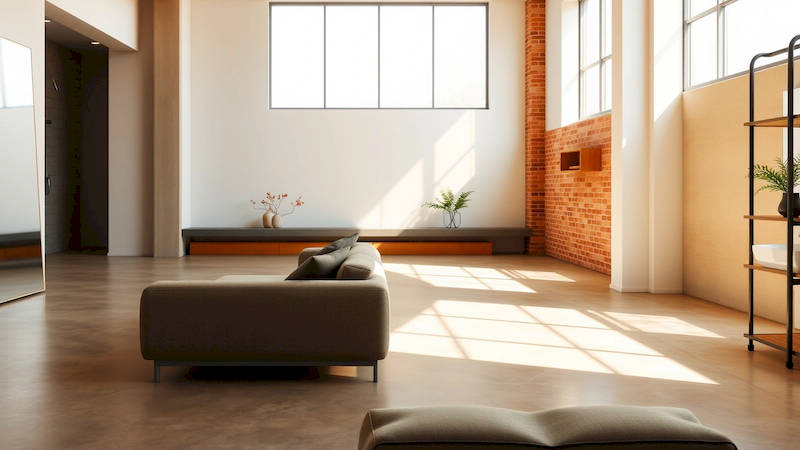
The pursuit of minimalist living often centers around decluttering, neutral palettes, and a sense of serene spaciousness. However, minimalism doesn’t have to equate to coldness or sterility. In fact, one of the most compelling trends within minimalist design is the integration of industrial elements. This pairing might seem paradoxical at first glance – the rawness of industry juxtaposed against the refined simplicity of minimalism – but when executed thoughtfully, it creates a uniquely balanced and characterful aesthetic. It’s about finding the harmonious intersection between functionality, history, and deliberate curation.
The appeal is multifaceted. Industrial design offers texture, visual interest, and a connection to a time when things were built to last with honest materials. Minimalist design provides the framework for showcasing these elements without overwhelming the space. This approach brings warmth and personality into a potentially stark environment, fostering a lived-in feel while still adhering to the core principles of intentionality and uncluttered living. Combining these styles recognizes that beauty can be found in imperfection and that a home should reflect both practicality and personal taste.
This article will delve into the specifics of achieving this blend, exploring the key elements of industrial style, how to strategically incorporate them into a minimalist framework, potential pitfalls to avoid, and ultimately, how to create a space that feels both effortlessly chic and authentically you. We’ll move beyond surface-level trends to understand the underlying philosophies driving this design synergy.
- Understanding the Core Principles: Minimalism and Industrial Styles
- The Material Palette: Bridging the Gap Between Styles
- Lighting as a Unifying Element: Functionality & Focus
- Furniture Selection: Balancing Form & Function
- Decluttering is Non-Negotiable: Maintaining Minimalist Integrity
- Case Study: The Loft Conversion – A Practical Application
- Conclusion: Striking the Balance for Industrial Minimalism
Understanding the Core Principles: Minimalism and Industrial Styles
Before diving into integration, it’s crucial to understand the foundational principles of each style. Minimalism, as a design philosophy, is rooted in the idea of "less is more." It prioritizes functionality, clean lines, and a neutral color palette—typically whites, grays, and beiges—to create a sense of calm and order. The focus is on quality over quantity, with a strong emphasis on intentionality. Every item in a minimalist space should serve a purpose or bring joy, eliminating visual clutter and promoting a peaceful atmosphere. It's not necessarily about deprivation, but rather about a conscious curation of possessions.
Industrial design, on the other hand, draws inspiration from warehouses, factories, and other functional industrial structures. Its hallmarks include exposed brick, concrete floors, metal accents (particularly steel and iron), reclaimed wood, and visible ductwork or piping. It's a style that celebrates raw materials and a utilitarian aesthetic. This doesn’t mean it needs to feel cold or unfinished, but rather that it embraces an honesty of materials, showcasing their natural qualities and imperfections. Think of it as a celebration of the building's ‘bones’ – the structural elements that are often hidden in traditional homes.
The apparent contrast lies in their origins: one born from a desire for reduction, the other from a celebration of production. However, the common thread is functionality. Both styles prioritize practicality and eschew unnecessary ornamentation. They simply approach it from different angles, creating a surprisingly compatible foundation for a unified design aesthetic.
The Material Palette: Bridging the Gap Between Styles
The key to successfully blending these styles lies in the material palette. Think strategically about how materials can act as a bridge between the sleekness of minimalism and the ruggedness of industrial design. Concrete, for instance, is a powerful asset. A polished concrete floor provides an industrial base while adhering to the minimalist preference for neutral, unadorned surfaces. Similarly, exposed brick walls, a signature of industrial style, can be softened with a light whitewash to align with a minimalist color scheme.
Metal is another crucial element. Incorporate metal accents through lighting fixtures (pendant lights with exposed bulbs are especially effective), furniture legs, shelving brackets, and hardware. Opt for darker metals like wrought iron or gunmetal gray to ground the space and add a touch of visual weight. However, avoid overly ornate or decorative metalwork; simplicity is key. When combining materials, prioritize those with a natural, unrefined quality that complement the minimalist aesthetic. Raw wood, like reclaimed barn wood, adds warmth and texture without disrupting the overall sense of calm.
Consider the texture of materials as well. A woven rug in a neutral tone can soften the harshness of concrete floors, while a linen throw on a metal-framed chair adds a touch of comfort and organic warmth. These textural contrasts enhance the overall aesthetic, creating depth and visual interest while maintaining the minimalist ethos of thoughtful curation.
Lighting as a Unifying Element: Functionality & Focus
Lighting plays a pivotal role in harmonizing industrial and minimalist styles. Industrial-inspired lighting fixtures—think pendant lights with exposed Edison bulbs, metal cage shades, or track lighting—immediately introduce an industrial vibe. However, it's important to choose fixtures that are streamlined and functional to align with minimalist principles. Overly elaborate chandeliers or overly ornate lamps will disrupt the clean lines and sense of order.
Layered lighting is essential. Combine ambient lighting (general room illumination) with task lighting (focused light for specific activities) and accent lighting (used to highlight architectural features or artwork). Exposed bulbs are a strong industrial choice but tend to give off a harsher light; consider using warmer-toned bulbs to create a more inviting atmosphere. Dimmer switches are also crucial, allowing you to adjust the lighting levels to suit your mood and needs.
Think about the materials used in the lighting fixtures themselves. Metal shades, exposed wiring, and repurposed materials all contribute to the industrial aesthetic. Focus on simplicity and functionality, choosing fixtures that are both visually appealing and serve a practical purpose. This approach seamlessly blends the practical, durable nature of industrial design with the clean, uncluttered aesthetic of minimalism.
Furniture Selection: Balancing Form & Function
Furniture is where the blending can truly shine, or potentially crumble. The goal is to find pieces that embody both industrial robustness and minimalist form. Look for furniture constructed from materials like metal, wood, and leather. A solid wood dining table with metal legs is a classic example, offering both durability and a streamlined aesthetic. Leather sofas, particularly those with a slightly weathered or distressed look, provide comfort and character while maintaining a minimalist silhouette.
Avoid overly ornate or embellished furniture. Seek out pieces with clean lines, simple shapes, and a focus on functionality. Consider pieces inspired by mid-century modern design, which often shares a similar sensibility with both industrial and minimalist styles. Neutral colors – grays, blacks, whites, and browns – are your best bet, allowing the textures and materials to take center stage.
When selecting furniture, consider scale and proportion. In a minimalist space, it's important to avoid overcrowding. Choose a few key pieces that are well-made and provide maximum functionality, rather than filling the room with a multitude of smaller items. The furniture should complement the existing architectural features of the space, rather than compete with them.
Decluttering is Non-Negotiable: Maintaining Minimalist Integrity
While incorporating industrial elements adds texture and character, it’s absolutely critical to maintain the core principles of minimalism. This means a relentless commitment to decluttering. Industrial style, with its emphasis on raw materials and exposed structures, can easily feel cluttered if not tempered by minimalist principles. Each item in your space must have a purpose or bring you joy; anything else should be removed.
Consider storage solutions that are both functional and aesthetically pleasing. Metal shelving units, wooden crates, and baskets made from natural materials can work well, provided they are organized and uncluttered. Avoid displaying too many decorative items; a few carefully chosen pieces are more impactful than a cluttered collection. Remember, the goal is to create a sense of calm and order, even when incorporating elements of a more robust style.
Think vertical. Utilize wall space for storage and display, freeing up floor space and maintaining a sense of openness. Mirrors can also help to create the illusion of more space, adding light and dimension to the room. Regularly reassess your belongings and be ruthless about eliminating anything that no longer serves a purpose or brings you joy. Maintaining this disciplined approach is crucial to preventing the industrial elements from overwhelming the minimalist aesthetic.
Case Study: The Loft Conversion – A Practical Application
Consider a renovated loft space: exposed brick walls and concrete floors provide a strong industrial foundation. To achieve a minimalist blend, the designers opted for a neutral color palette of grays, whites, and blacks. Furniture choices included a dark gray leather sofa with metal legs, a reclaimed wood coffee table, and metal shelving units. Lighting consisted of pendant lights with exposed Edison bulbs and track lighting.
The key was restraint. While the industrial elements were prominent, they were balanced by the clean lines and uncluttered surfaces of the minimalist design. Storage was cleverly integrated into the structure, with built-in shelving units and hidden compartments. Decorative items were kept to a minimum, with a few carefully chosen pieces of art and plants adding a touch of personality. The result was a space that felt both raw and refined, industrial and inviting – a perfect example of how to successfully blend these two distinct styles.
Conclusion: Striking the Balance for Industrial Minimalism
Blending industrial elements into minimalist home decor is a rewarding design endeavor, offering a unique aesthetic that balances rawness and refinement, functionality and form. It's not about simply adding a few metal accents to a minimalist space; it requires a deep understanding of the core principles of each style and a strategic approach to material selection, lighting, and furniture placement. The success of this combination hinges on maintaining the integrity of minimalism: a commitment to decluttering, intentionality, and a focus on quality over quantity.
Ultimately, the goal is to create a space that feels authentic, comfortable, and reflective of your personal style. Don’t be afraid to experiment, but always prioritize simplicity and functionality. Key takeaways include prioritizing neutral palettes, leveraging natural materials, focusing on layered lighting, and ruthlessly decluttering. By thoughtfully implementing these strategies, you can achieve a harmonious blend of industrial and minimalist styles, creating a home that feels both effortlessly chic and perfectly curated. Start by identifying one or two key industrial elements you love and build your design around those, ensuring they complement, rather than compete with, the minimalist foundation.
Deja una respuesta