
Textile Choices That Compliment Minimalist Interior Styles
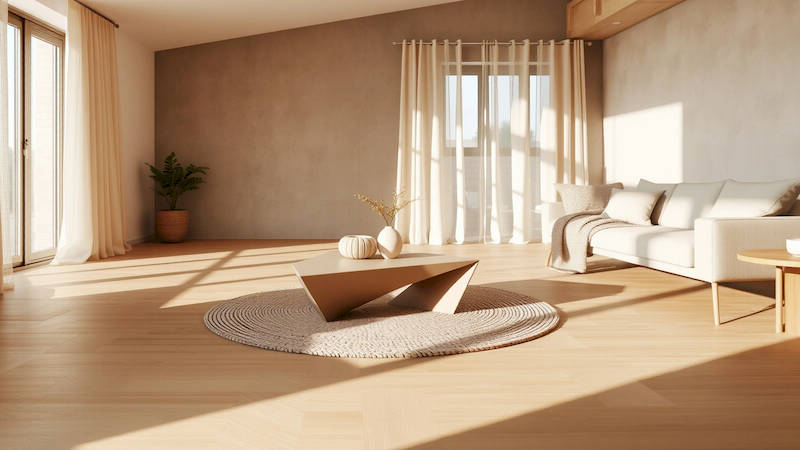
Minimalist interior design isn’t simply about emptiness; it's about intentionality. It’s about curating a space that fosters calm, functionality, and a sense of spaciousness. While furniture choices and color palettes often take center stage in discussions about minimalism, the role of textiles – rugs, curtains, throws, bedding, and upholstery – is profoundly crucial. These elements inject warmth, texture, and personality into a minimalist space, preventing it from feeling cold or sterile. Choosing the right textiles, however, requires a nuanced understanding of how they interact with minimalist principles. This article will delve into the world of fabrics, weaves, and textures, providing a comprehensive guide to selecting textiles that elevate, rather than detract from, a minimalist aesthetic.
The power of textiles in minimalism lies in their ability to subtly define areas, add layers of comfort, and introduce visual interest without overwhelming the space. A carefully chosen rug can anchor a living area, while linen curtains can soften harsh light. The key is to prioritize quality over quantity, opting for pieces that are both beautiful and functional. It’s easy to fall into the trap of believing minimalism equates to a complete lack of softness, but this isn’t the case. Instead, minimalist textiles focus on a restrained palette, natural materials, and purposeful application – creating an environment that is simultaneously serene and inviting.
This goes beyond simply picking a neutral color; understanding the impact of texture, weave, and even the weight of a fabric is paramount. We will explore specific materials and techniques, offering guidance on how to incorporate them seamlessly into a variety of minimalist interior styles. Ultimately, mastering the art of textile selection will enable you to craft a minimalist home that is not just visually appealing, but genuinely feels like a sanctuary.
- The Foundation: Natural Fibers and Their Benefits
- The Power of Texture: Beyond Smooth Surfaces
- Color Palette Restraint: Neutrals as the Norm
- Patterns – If Any – Should Be Subtle and Organic
- Material Weight and Drape: Considering Functionality
- Sustainable Choices: Ethical Sourcing and Longevity
- Conclusion: Crafting a Minimalist Oasis
The Foundation: Natural Fibers and Their Benefits
Natural fibers reign supreme in the minimalist textile landscape. Linen, cotton, wool, silk, and jute all offer unique qualities that align with the core tenets of the style – simplicity, sustainability, and a connection to nature. Linen, for instance, is renowned for its breathability, durability, and subtly textured aesthetic. Its natural wrinkles are not considered flaws but rather a characteristic of its inherent beauty, embracing the "perfectly imperfect" philosophy often associated with minimalist lifestyles. Choosing undyed or naturally dyed linen amplifies this organic feel, creating a serene and grounding atmosphere.
Cotton, particularly organic cotton, is another excellent choice, especially for bedding and heavier upholstery. Its softness and versatility make it ideal for creating comfortable and inviting spaces. However, it's important to opt for higher-quality cotton weaves – percale or sateen – to avoid a flimsy or overly casual appearance. Wool, whether in rugs, throws, or upholstery, adds warmth and luxurious texture, perfectly counterbalancing cooler tones and hard surfaces. Consider ethically sourced wool from producers committed to sustainable farming practices. Data from the Sustainable Apparel Coalition indicates a growing consumer preference for natural fibers, with sales of organic cotton increasing by 15% in the past five years.
Finally, jute and sisal offer robust, textured options for rugs and wall coverings. Their earthy tones and natural variations bring a grounded quality to a space, complementing minimalist aesthetics that emphasize organic forms and tactile experiences. While durable, these fibers can be coarser, so strategic placement is essential – they work wonderfully in low-traffic areas or as statement pieces layered over softer rugs.
The Power of Texture: Beyond Smooth Surfaces
Minimalism doesn't preclude texture; in fact, it relies on it to prevent a space from feeling flat or austere. The absence of elaborate patterns and ornamentation puts the focus on the tactile qualities of materials. Think about the difference between a smooth, polished surface and a subtly nubby, woven one. The latter adds visual interest without introducing clutter. This can be achieved through a variety of weaving techniques, such as boucle, slub, or even a simple ribbed texture. This is where exploring heavier weight fabrics or fabrics with interesting weaves prove vital.
Consider layering different textures to create a dynamic and inviting atmosphere. A chunky knit wool throw draped over a linen sofa, paired with a jute rug underfoot, provides a rich sensory experience. This interplay of textures is far more impactful than relying on multiple colors or patterns. "Minimalism isn't about removing everything; it’s about carefully selecting what remains, and maximizing its impact through quality and materiality," says interior designer Marie Kondo, author of The Life-Changing Magic of Tidying Up. This idea extends perfectly to textile selection – each piece should earn its place through its inherent qualities.
Furthermore, incorporating texture through organic irregularities – the slight variations in a handwoven rug, the imperfections in natural linen – adds character and authenticity to a minimalist space. These imperfections disrupt the monotony of perfect uniformity, creating a more lived-in and welcoming atmosphere.
Color Palette Restraint: Neutrals as the Norm
When it comes to color, minimalist spaces favor a restrained palette of neutrals: whites, creams, grays, and beiges. This doesn’t mean color is entirely absent, but it is used strategically and sparingly. Textiles offer a subtle opportunity to introduce muted tones or earth-based shades that complement the overall aesthetic. For example, a creamy white linen throw can soften the harshness of a dark gray sofa, while a beige wool rug can warm up a cool white floor.
Avoid overly bright or saturated colors, as they can disrupt the sense of calm and serenity that is central to minimalist design. If you desire a pop of color, consider incorporating it through a single accent pillow or a small throw, ensuring it’s a deliberately chosen and well-integrated element. Pairing a monochromatic scheme with different tones of one color offers depth in its neutrality. Exploring the subtleties between a warm white and a cool gray, or different shades of beige provides a nuanced softness.
Ultimately, the goal is to create a cohesive and harmonious color palette that promotes relaxation and a sense of well-being. Remember that color reflects light, so consider how the textiles will interact with the natural and artificial lighting in the space.
Patterns – If Any – Should Be Subtle and Organic
While minimalism often shies away from bold patterns, subtle organic motifs can add visual interest without disrupting the overall aesthetic. Consider incorporating textiles with understated geometric patterns, such as a simple stripe or a small-scale check, or favoring textures that create implied patterns – for instance, the weave of a fabric that forms a delicate crisscross design.
Floral patterns are generally best avoided, unless they are highly stylized and rendered in a muted color palette. Instead, look for abstract patterns inspired by nature – for example, a textile with a subtle wave-like pattern reminiscent of sand dunes or a swirl of moss. Leading design publications, like Architectural Digest consistently highlight interiors utilizing gentle textural motifs over complex prints in minimalist homes.
The key is to prioritize simplicity and restraint. If you’re unsure whether a pattern is appropriate, err on the side of caution and opt for a solid color or a subtle texture instead. Remember, in minimalism, less is often more.
Material Weight and Drape: Considering Functionality
Beyond aesthetics, consider the functionality of your textile choices. The weight and drape of a fabric can significantly impact the overall feel of a space. For curtains, lightweight linen or sheer cotton allows natural light to filter through, creating an airy and open atmosphere. Heavier weight fabrics, like wool or velvet, can provide greater privacy and insulation but may feel too imposing in a minimalist setting.
When selecting bedding, consider the climate and your personal preferences. Linen is an excellent choice for warmer months, while flannel or cotton with a higher thread count is ideal for colder weather. Upholstery fabrics should be durable and easy to clean, especially in high-traffic areas.
Pay attention to how a fabric hangs and drapes. A well-draped curtain or throw looks effortlessly elegant, while a poorly draped one can appear sloppy and unrefined. Investing in quality textiles that are properly cared for will ensure they retain their shape and beauty for years to come.
Sustainable Choices: Ethical Sourcing and Longevity
Minimalism inherently encourages conscious consumption, so prioritizing sustainable and ethically sourced textiles is a natural extension of the philosophy. Look for fabrics made from organic or recycled materials, and support brands that are committed to fair labor practices. This includes investigating where materials are sourced from, how they are processed, and the environmental impact of production.
Investing in high-quality textiles that are built to last is another key aspect of sustainable minimalism. Rather than replacing items frequently, choose pieces that will withstand the test of time. This reduces waste and minimizes your environmental footprint. Consider the entire lifecycle of the textile, from its creation to its eventual disposal. Choosing materials that are biodegradable or recyclable further contributes to a more sustainable lifestyle.
Conclusion: Crafting a Minimalist Oasis
Choosing textiles for a minimalist home isn’t just about aesthetics; it’s about crafting a space that fosters a sense of calm, functionality and well-being. By prioritizing natural fibers, embracing texture, restraining your color palette, and opting for sustainable materials, you can create a minimalist interior that is not only visually appealing but also deeply comforting. Remember the core principles: quality over quantity, intentionality, and a connection to nature.
The art of minimalist textile selection lies in the subtle details – the weight of a fabric, the texture of a weave, the shade of a neutral hue. These elements work together to create a harmonious and inviting space that reflects your individual style and values. Don’t be afraid to experiment with different combinations, but always prioritize simplicity and restraint. The ultimate goal is to create a minimalist oasis that supports a life of intention and peace – where every object, including every textile, has a purpose and a place. Take the time to research materials, consider functionality, and invest in pieces that you truly love, and you’ll be well on your way to transforming your home into a haven of understated elegance.
Deja una respuesta