
Step-by-Step Guide to Designing a Scandinavian Minimalist Bedroom
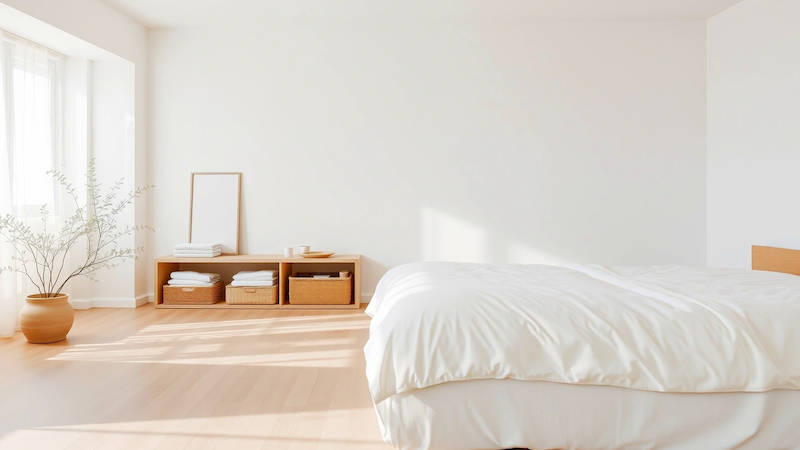
The bedroom, more than any other room in the house, should be a haven – a space dedicated to rest, rejuvenation, and a sense of calm. In our increasingly hectic world, achieving this tranquility can be a challenge. Enter Scandinavian minimalism: a design philosophy prioritizing functionality, simplicity, and a connection to nature. It’s a powerful antidote to clutter and chaos, particularly beneficial for the bedroom where visual serenity is paramount. This style isn’t about stark emptiness, but rather thoughtful curation, where every element serves a purpose and contributes to a harmonious, peaceful atmosphere. This guide will take you through a comprehensive, step-by-step process to create a Scandinavian minimalist bedroom that fosters relaxation and enhances your well-being.
Scandinavian design, born from the necessity of making the most of long, dark winters, centers around maximizing light and creating a feeling of spaciousness. It’s a philosophy rooted in "hygge"—a Danish concept embodying coziness, contentment and well-being—and “lagom”—a Swedish approach to living that emphasizes ‘just the right amount,’ avoiding excess. This translates to a bedroom that is not just aesthetically pleasing, but also incredibly functional and conducive to restorative sleep. More than just a trend, embracing this aesthetic is a conscious lifestyle choice geared toward intentional living and a focus on what truly matters.
Establishing a Neutral Colour Palette
The foundation of any Scandinavian design is a light, neutral colour palette. Think shades of white, off-white, pale greys, and soft beiges. These colours reflect natural light, making the room feel brighter and more spacious, even during the shorter winter days. Avoid harsh, bright colours or overly dark shades, as they can disrupt the calming atmosphere you're aiming to create. Instead, focus on undertones – warm whites versus cool whites, for example – to subtly influence the mood. Consider the amount of natural light your bedroom receives; rooms with less light can benefit from warmer whites to avoid feeling cold and sterile.
Don't limit yourself to entirely white walls, though. Subtly incorporating nature-inspired hues like muted greens, blues or earthy browns can add depth and interest without sacrificing the overall calmness. A light grey wall paired with white trim is a classic choice, as is a warm white with beige undertones. The key is to maintain a cohesive and soothing colour scheme that blends seamlessly with natural materials. "Colour should provide a sense of calm and balance," notes Swedish interior designer Ilse Crawford, author of Home How to Make a Great Space, emphasizing the intentionality behind colour choices in Scandinavian design.
Furthermore, remember that textiles play a crucial role in colour introduction. Lighter coloured bedding, rugs, and curtains will work best, and these are effective ways to layer tones without relying on dramatic wall colours. Remember, the essence of Scandinavian minimalism isn't to eliminate colour, but to use it strategically and sparingly.
The Art of Minimalist Furniture Selection
Furniture in a Scandinavian minimalist bedroom should be functional, well-crafted, and free of unnecessary ornamentation. Prioritize quality over quantity. A well-made bed frame made of natural wood is a cornerstone piece. Look for clean lines and simple designs. Avoid overly ornate headboards or bulky footboards. A platform bed or a bed frame with a low profile is ideal. Often, less is more. The idea is to create a sense of spaciousness, not to fill every corner with furniture.
Beyond the bed, focus on essential pieces only. A small bedside table or two, a dresser for storage, and perhaps a comfortable chair for reading are usually sufficient. Choose furniture with built-in storage whenever possible to maximize space and minimize clutter. Look for pieces made from natural materials like wood, and incorporate textures like woven baskets or linen fabrics. Steer clear of anything that feels bulky or visually heavy. For example, consider a floating nightstand that doesn't take up visual space on the floor. According to a study by the University of Saint Andrews, cluttered environments can increase cortisol levels (the stress hormone), making a thoughtfully furnished minimalist space a genuine investment in wellbeing.
Also, consider multi-functional furniture. An ottoman with storage, a bench at the foot of the bed that doubles as storage, or a desk that can also serve as a vanity can all help minimize clutter and maximize space.
Embracing Natural Materials and Textures
A defining characteristic of Scandinavian design is its emphasis on natural materials. Wood, linen, cotton, wool, and sheepskin are all frequently used to create a warm, inviting, and tactile environment. Incorporate these materials throughout your bedroom. A wooden floor is ideal, but if that's not possible, a large area rug made of natural fibres like jute or wool can add warmth and texture.
Linen bedding is a quintessential Scandinavian choice. It's breathable, durable, and gets softer with each wash. Layer a wool blanket or a sheepskin rug over the bed for added warmth and coziness. Cotton curtains allow soft light to filter through while still providing privacy. Natural wood furniture adds a grounding element, connecting the room to the outdoors. Avoid synthetic materials as much as possible, opting for natural alternatives whenever feasible.
The beauty lies in the textures. A rough-hewn wooden side table paired with soft linen bedding creates a visual and tactile contrast that is both calming and inviting. By focusing on natural materials, you're not only creating a more aesthetically pleasing space, but also a healthier one. This is because natural materials tend to be less likely to off-gas harmful chemicals compared to their synthetic counterparts.
Maximizing Light and Creating Brightness
Scandinavians knew a thing or two about making the most of limited daylight. Therefore, maximizing light is incredibly important in a Scandinavian minimalist bedroom. Sheer curtains allow natural light to flood the room while still providing privacy. Avoid heavy, dark curtains that block out the light. Mirrors are also a fantastic way to bounce light around the room, making it feel brighter and more spacious. Strategically place a large mirror opposite a window to reflect the view and amplify the natural light.
Artificial lighting should be warm and inviting. Avoid harsh, fluorescent lights. Instead, opt for layered lighting – a combination of ambient, task, and accent lighting. A bedside lamp with a warm-toned bulb is essential for reading. A floor lamp can provide ambient light, while a small wall sconce can add a touch of elegance. Dimmer switches are a worthwhile investment, allowing you to adjust the lighting to create the desired mood. Consider incorporating smart lighting systems that allow you to control the brightness and colour temperature from your phone.
"Light is incredibly important in Scandinavian design, playing a central role in the creation of a welcoming atmosphere," explains Marianne Lund, a Danish lighting specialist. The goal is to create a space that feels bright and airy, even on the darkest of days.
Decluttering and Organizing for Serenity
Minimalism isn’t simply a decorating style, it’s a philosophy centered around intentionality and reducing excess. Before you even begin decorating, a thorough decluttering session is paramount. Remove anything that doesn't serve a purpose or bring you joy. Be ruthless! This includes items that you rarely use, clothes you no longer wear, and decorations that don't resonate with you.
Invest in smart storage solutions to keep remaining items organized and out of sight. Baskets, bins, and drawer dividers can help you corral clutter. Utilize under-bed storage for seasonal items or extra bedding. A minimalist bedroom is a sanctuary, and clutter is the enemy of serenity. Consider adopting a "one in, one out" rule, where you get rid of something whenever you bring something new into the room. This prevents clutter from accumulating over time.
The KonMari method, developed by Marie Kondo, can be a useful tool for decluttering. It emphasizes keeping only items that "spark joy" and discarding the rest. This can be a surprisingly effective way to create a more peaceful and harmonious living space. Remember, the aim is to create a bedroom that is not only visually appealing but also emotionally restorative.
Adding Personal Touches (Thoughtfully)
While minimalism emphasizes simplicity, it doesn't mean your bedroom needs to be devoid of personality. Thoughtfully curated personal touches can add warmth and character to the space. A few carefully chosen pieces of art, a favourite book, or a small plant can all add a personal touch without cluttering the room. Limit yourself to a few meaningful items.
Family photos, if used, should be displayed in simple frames. Avoid overcrowding shelves or walls with too many decorative objects. A single, impactful piece of artwork is often more effective than a gallery wall. Plants are a fantastic way to bring life and freshness into the room. Choose low-maintenance plants that thrive in low light conditions, such as snake plants or ZZ plants. Avoid overly ornate or fussy decorations. The key is to maintain a sense of calm and simplicity.
The Finishing Touches: Creating a Calming Ambiance
Finally, pay attention to the small details that can make a big difference in the overall ambiance of your bedroom. A scented candle or diffuser with a calming scent, such as lavender or chamomile, can help promote relaxation and sleep. Soft, neutral-coloured throws and pillows add comfort and texture. Ensure your bedding is comfortable and inviting. High-quality sheets and a cozy duvet can make all the difference.
Consider adding a small, comfortable chair to create a reading nook. This can be a wonderful space to unwind and relax before bed. Keep electronics to a minimum in the bedroom. Avoid watching television or working on your laptop in bed. The bedroom should be a sanctuary free from distractions. Ultimately, the goal is to create a space that feels peaceful, calming, and restorative – a true haven where you can recharge and rejuvenate.
In conclusion, designing a Scandinavian minimalist bedroom is an investment in your well-being. It requires careful planning, thoughtful curation, and a commitment to simplicity. By embracing a neutral colour palette, prioritizing natural materials, maximizing light, and decluttering your space, you can create a bedroom that fosters relaxation, enhances sleep, and promotes a sense of calm. Remember that minimalism isn’t about deprivation; it's about intentionally choosing what truly matters and creating a space that supports a more peaceful and fulfilling life. A Scandinavian minimalist bedroom isn’t just a beautiful space—it's a sanctuary for the soul. Start today with small steps, like decluttering one drawer, and you'll be well on your way to creating your dream bedroom.
Deja una respuesta