
Tips for teaching children the value of quality over quantity
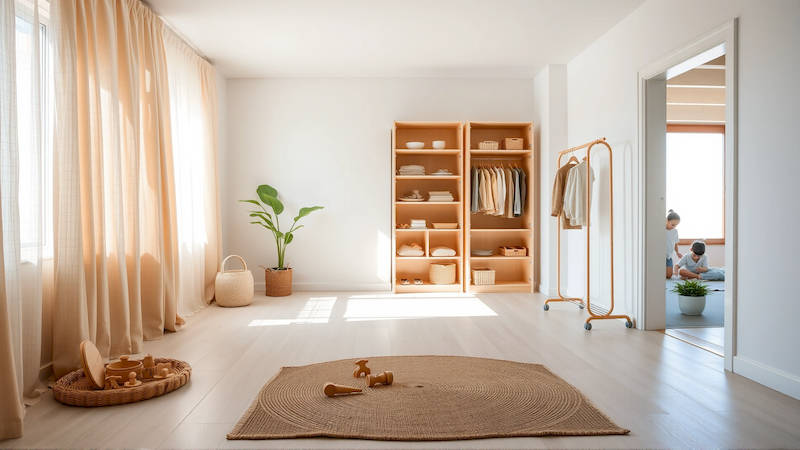
In a world saturated with marketing aimed at children, and a culture often driven by consumerism, instilling the value of quality over quantity can feel like an uphill battle. However, for families embracing minimalist living, it’s a crucial tenet. It's not simply about having less; it's about intentionally choosing what enters your lives and understanding why you choose it. This shift in mindset isn't merely about decluttering toys or clothes; it's about fostering a deeper appreciation for experiences, craftsmanship, durability, and mindful consumption in our children. This, in turn, lays the foundation for financial responsibility, reduced stress, and a greater focus on what truly matters – connection, learning, and growth.
The benefits extend beyond a tidy home. Teaching children to appreciate quality nurtures qualities like patience, discernment, and gratitude. When children learn to value a few well-made and cherished items instead of constantly craving the next new thing, they develop a stronger sense of contentment and diminish the environmental impact of their consumer habits. Moreover, it shifts the focus from having to doing – opening pathways to creativity, imagination, and deeper engagement with the world around them. This article will explore practical strategies for fostering this crucial understanding in children, moving beyond the typical ‘less is more’ mantra to a more nuanced appreciation for mindful living.
Leading by Example: The Power of Modeling Mindful Consumption
Perhaps the most powerful teaching tool is your own behavior. Children are incredibly observant and will internalize your attitudes towards possessions and spending. If you constantly acquire new items without need, lament purchases, or express dissatisfaction with what you have, you’re sending a mixed message. Conversely, when you demonstrate contentment with your belongings, prioritize experiences over material possessions, and thoughtfully consider purchases, you set a strong foundation for your children. This doesn’t mean perfection is expected; acknowledging the influence of advertising and discussing your own thought process when making purchases is beneficial.
This also extends to how you talk about possessions. Instead of focusing on the monetary value or brand name, emphasize the functionality, durability, and the stories behind items. For instance, instead of saying "This is an expensive shirt," you might say, "This shirt is made from durable material that will last for years, and it’s comfortable to wear." Share stories about items that have been passed down through generations, highlighting their history and significance. "This quilt was made by your great-grandmother; she put so much love and care into each stitch, and it’s a cherished piece of our family history.” This framing transforms possessions from mere objects into symbols of connection and enduring value.
Ultimately, becoming a conscious consumer yourself is the first step. Regularly assess your own needs versus wants, repair items instead of replacing them, and embrace experiences over things. Consider implementing a "one in, one out" rule for your own possessions, subtly demonstrating the idea of maintaining a curated collection. When children see this modeled consistently, they are far more likely to adopt similar habits.
Cultivating Appreciation Through Intentional Gift-Giving
Birthdays and holidays often present a challenge for minimalist families. The deluge of toys and gifts can quickly undo the progress made in teaching quality over quantity. A proactive approach to gift-giving is crucial. Start by communicating with family and friends before these occasions. Explain your family’s values and suggest alternative gift ideas beyond the typical toys. These could include experiences like museum visits, cooking classes, concert tickets, or donations to a favorite charity in the child’s name.
Furthermore, encourage themed gifting. Instead of asking for “anything,” suggest gifts related to a child’s current interests or hobbies – a high-quality art set for a budding artist, building blocks for an aspiring architect, or a subscription to a magazine focused on their passion. If physical gifts are unavoidable, prioritize quality and longevity. A beautifully crafted wooden puzzle, a durable set of building blocks, or a classic book will provide far more lasting value than a cheap plastic toy that breaks within days. A recent study by the Journal of Consumer Psychology found that “experiential gifts—gifts of time and events—provide more lasting happiness than material gifts." This highlights the power of shifting focus from what we give to how it is experienced.
Finally, teach gratitude. Encourage children to write thank you notes, not simply as a courtesy, but as a way to reflect on the thoughtfulness behind the gift and its potential value. Discuss how they plan to use and care for the item, further solidifying its significance.
The Beauty of "Enough": Fostering Contentment and Reducing Want
Central to the concept of quality over quantity is the understanding that “enough” is often sufficient. Regularly discuss the concept of needs versus wants with your children. Explain that while they may want a multitude of toys or the latest gadget, they only need a few essential items to live a happy and fulfilling life. This conversation shouldn’t be framed as deprivation, but as liberation – freeing up time and energy for more meaningful pursuits.
Introduce the idea of "slow consumption." When a child expresses a desire for something new, don't immediately dismiss it, but engage in a thoughtful dialogue. Ask questions like, “What specifically attracts you to this item?” and “What problem will it solve?” Then, introduce a waiting period – a week, a month, even longer – before making a decision. Often, the initial desire will fade. If the desire persists, re-evaluate whether the item aligns with your family’s values and budget.
Practice gratitude exercises as a family. Regularly acknowledge and appreciate the things you already have. Keep a gratitude journal, share “highs and lows” at dinner time, and actively express thankfulness for simple pleasures. When children feel grateful for what they have, they are less likely to be consumed by wanting more.
Repair, Reuse, and Repurpose: Valuing Resourcefulness
A core tenet of minimalist living is extending the life of existing possessions. Encourage your children to participate in repairing broken items, instead of immediately discarding them. Simple activities like sewing on a button, gluing a broken toy, or fixing a tear in clothing can instill a sense of resourcefulness and self-sufficiency. Think of it as a life skill, and a direct challenge to disposable culture.
Embrace the art of reuse and repurposing. Old t-shirts can be transformed into cleaning cloths, glass jars can become storage containers, and cardboard boxes can fuel hours of imaginative play. Encourage children to brainstorm creative ways to give discarded items a new life. This not only reduces waste but also fosters creativity and problem-solving skills. One good exercise is to challenge them to create something new out of "junk," awarding points not for the finished product, but for innovative repurposing.
Regularly decluttering with your children is also important. Instead of simply removing items without their involvement, involve them in the process. Ask them to sort through their belongings and decide which items they still love and use. Donate or sell the rest, explaining that you're giving them a second life with someone else. This reinforces the idea that possessions have value beyond their immediate use and contributes to a sense of purpose.
Beyond Toys: Expanding the Definition of "Value"
It's vital to demonstrate that value extends far beyond material possessions. Prioritize experiences – family outings, nature walks, museum visits, volunteer opportunities. These shared moments create lasting memories and strengthen family bonds. These experiences also expose children to different perspectives and broaden their understanding of the world.
Foster a love of learning and creativity. Encourage your children to pursue their passions, whether it’s music, art, sports, or academics. Provide them with the resources they need to explore their interests and develop their talents. This demonstrates that true value lies in personal growth and self-expression, not in material accumulation.
Finally, cultivate empathy and compassion. Encourage your children to volunteer their time and resources to help others. This teaches them the importance of giving back and recognizing the value of human connection. When children understand that their actions can make a positive impact on the world, they develop a deeper sense of purpose and fulfillment.
In conclusion, teaching children the value of quality over quantity is an ongoing process, not a destination. It requires consistent modeling, open communication, and a willingness to challenge societal norms. By prioritizing experiences, fostering gratitude, and embracing resourcefulness, we can empower our children to become mindful consumers, appreciative individuals, and responsible stewards of the planet. Remember that the goal isn’t to deprive them of enjoyment, but to help them define “the good life” in terms of meaningful connections, personal growth, and lasting value—not simply the accumulation of things. The actionable steps – leading by example, intentional gifting, focusing on contentment, repairing and repurposing, and expanding the definition of value – are all interconnected threads weaving a tapestry of mindful, happy, and sustainable family living.
Deja una respuesta