
Designing a Minimalist Home Office for Maximum Productivity
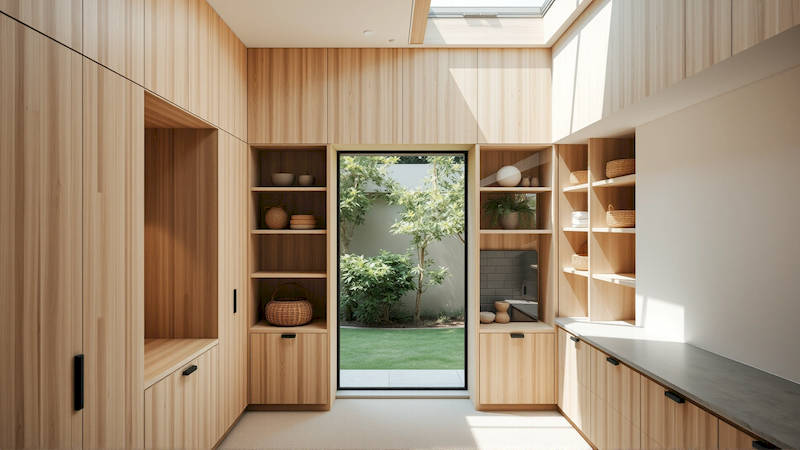
The modern work landscape, even for those traditionally employed outside the home, is increasingly incorporating remote work and flexible schedules. This shift necessitates dedicated, functional workspaces within the home. However, the blending of personal and professional life can quickly lead to clutter, distraction, and a detrimental impact on productivity. This is where the principles of minimalist design offer a powerful solution. More than just an aesthetic choice, a minimalist home office is a deliberate strategy for enhancing focus, reducing stress, and cultivating an environment conducive to deep work. By intentionally stripping away the superfluous, we can create a space that supports our goals and fosters a sense of calm amidst the demands of everyday life. It’s about optimizing for function and well-being, not simply adopting a particular visual style.
The idea isn't to create a stark, sterile environment, but rather a highly curated space where every item serves a purpose. Studies have shown a direct correlation between a cluttered workspace and increased cortisol levels, the primary stress hormone (Saxena et al., 2019). A minimalist approach directly addresses this issue, transforming the office from a potential source of anxiety into a sanctuary for innovative thinking and concentrated effort. This article will guide you through the process of designing a minimalist home office, moving beyond superficial decluttering to achieve lasting productivity gains. We'll explore practical strategies, design considerations, and how to tailor the minimalist aesthetic to your individual needs and working style.
Defining Your Minimalist Office Needs & Workflow
Before diving into aesthetics, the crucial first step is honestly evaluating your workflow and identifying your essential needs. Minimalist design isn’t about restriction for the sake of it; it's about intentionality. What tasks do you perform most frequently in your office? What tools and resources are absolutely necessary to complete these tasks effectively? This involves a detailed audit of your current workspace – what you use daily, weekly, monthly, and what sits untouched, collecting dust. Be ruthless in this assessment. A common pitfall is holding onto items "just in case," which quickly defeats the purpose of a minimalist space.
Consider documenting your typical workday. This doesn’t have to be intricate, but a simple log of activities can reveal patterns and highlight areas where space could be optimized. For example, if you primarily work on a laptop and conduct video calls, a large desk with filing cabinets might be unnecessary. Conversely, if your work involves physical documents or artistic design, a more substantial work surface and storage solutions will be vital. Understand that a minimalist office isn't a one-size-fits-all solution. It's about tailoring the space to you and how you work best. A freelance graphic designer will have vastly different requirements than a remote accountant.
Finally, think about your "digital clutter." A minimalist physical space needs to be paired with a minimalist digital environment. Organize files, unsubscribe from unnecessary emails, and close unused tabs. A clean digital workspace is just as important as a clean physical one for minimizing distractions and promoting focus.
The Core Elements: Furniture & Layout
Furniture is a cornerstone of any office design, but in a minimalist context, it demands particularly careful consideration. Prioritize quality over quantity, opting for fewer, well-chosen pieces that are both functional and aesthetically pleasing. Consider a simple, streamlined desk with clean lines. Avoid overly ornate designs or unnecessary features. Standing desks are a popular option, promoting better posture and increasing energy levels, but only if they fit your working style and needs. Similarly, an ergonomic chair is non-negotiable – investing in a comfortable, supportive chair is paramount for long-term health and productivity.
Layout is equally crucial. The goal is to create an open, uncluttered space that facilitates smooth movement and minimizes visual distractions. Positioning your desk to face a window can provide natural light and a calming view, boosting mood and reducing eye strain. If possible, separate your office from high-traffic areas of the home to minimize interruptions. Zones are helpful; a dedicated "thinking" area (perhaps a comfortable chair and small side table) can provide a space for brainstorming and reflection, separate from the primary workstation. Remember the principles of Feng Shui – promoting a free flow of energy can aid concentration and creativity.
Avoid the temptation to fill every corner with furniture. Negative space is just as important as occupied space, allowing the eye to rest and promoting a sense of calm. A smaller, focused space often leads to greater efficiency than a large, sprawling one.
Color Palette & Lighting for Calm & Focus
A minimalist color palette is typically neutral, focusing on whites, grays, beiges, and muted earth tones. These colors create a sense of spaciousness and tranquility, minimizing visual stimulation. While a completely white office can feel sterile, layering different shades of gray and beige can add depth and warmth without sacrificing the minimalist aesthetic. Accent colors can be introduced sparingly through artwork or accessories, but avoid bold or jarring hues that can distract the eye.
Lighting plays a vital role in creating a productive and comfortable workspace. Maximize natural light whenever possible. Supplement with adjustable task lighting to provide focused illumination for reading and writing. Avoid harsh fluorescent overhead lighting, which can cause eye strain and headaches. Warm-toned LED bulbs are a good alternative, providing a softer, more inviting glow. Consider a floor lamp to add ambient light and create a more layered lighting scheme.
The key is to create a lighting environment that is both functional and visually pleasing. Expert lighting designer Randall Whitehead emphasizes the importance of avoiding glare and shadows, which can significantly impact concentration (Whitehead, 2018). Layering different light sources allows you to customize the illumination to suit your specific needs and preferences.
Storage Solutions: Concealing Clutter
Minimalism isn't about eliminating possessions; it's about managing them effectively. Clever storage solutions are essential for concealing clutter and maintaining a clean, organized workspace. Opt for closed storage options, such as cabinets, drawers, and shelves with doors, to keep items out of sight. Wall-mounted shelves can maximize vertical space without taking up valuable floor area.
Invest in organizational tools like magazine files, desk organizers, and cable management systems to keep items neatly arranged and easily accessible. Labeling is crucial – clearly identify the contents of each container to streamline your workflow. Regular decluttering is also essential. Dedicate a few minutes each day to tidying up your workspace and removing any unnecessary items. Implement a "one in, one out" rule – whenever you acquire a new item, get rid of something similar.
Think vertically! Utilize wall space to store things, leaving your desk clear for work. Consider minimalist shelving units that blend with the overall aesthetic. A key element is to make it easy to put things away - if it's cumbersome, things won't get put away.
Incorporating Biophilic Design & Personal Touches
While minimalism emphasizes simplicity, it doesn't mean your office should feel impersonal or sterile. Incorporating elements of biophilic design – connecting with nature – can enhance well-being and boost creativity. Introduce indoor plants to purify the air and add a touch of organic vibrancy. A small succulent or a potted fern can make a significant difference in the overall atmosphere.
Personal touches, such as a few carefully chosen pieces of artwork or a meaningful photograph, can also add personality and create a more inviting space. However, resist the urge to overdo it. Stick to a few select items that genuinely inspire you and contribute to a positive work environment. Avoid cluttering your desk with excessive decorations or personal mementos. The goal is to create a space that is both functional and aesthetically pleasing, reflecting your individual style without overwhelming the minimalist aesthetic.
Research suggests that exposure to natural elements can reduce stress and improve cognitive performance (Kellert & Wilson, 1993). A minimalist office doesn’t have to be devoid of personality; it simply requires a curated approach to personal expression.
Maintaining a Minimalist Mindset & Routine
Successfully designing a minimalist home office is only half the battle. Maintaining that minimalist lifestyle requires a conscious effort and a fundamental shift in mindset. Regularly revisit your workflow and reassess your needs. Are there any tools or resources you're no longer using? Can you digitize physical documents to reduce clutter?
Establish a daily routine for tidying up your workspace. Spend 5-10 minutes each day putting things away, clearing your desk, and organizing your files. Avoid the temptation to accumulate unnecessary items. Before making a purchase, ask yourself if you truly need it and if it aligns with your minimalist values.
Minimize distractions by turning off notifications, closing unnecessary tabs, and creating dedicated work hours. A minimalist workspace is designed to support focus and productivity, but it’s up to you to create the habits and boundaries that allow you to fully utilize its potential. Consider employing the Pomodoro Technique – working in focused 25-minute intervals with short breaks – to maintain concentration and prevent burnout.
Conclusion:
Creating a minimalist home office isn't just about aesthetics; it’s about intentionally designing a space that supports your productivity, reduces stress, and enhances your overall well-being. By carefully evaluating your needs, prioritizing functionality, and embracing the principles of simplicity, you can transform your office into a sanctuary for focused work. Remember to focus on quality over quantity, utilize clever storage solutions, and incorporate elements of biophilic design to create a space that is both inspiring and calming. The journey to minimalism is an ongoing one, requiring consistent effort and a commitment to decluttering both physical and digital spaces.
The key takeaways are to prioritize intentionality, declutter ruthlessly, and maintain a consistent routine. Begin by assessing your current workflow, investing in essential furniture, and optimizing your color palette and lighting. Don't be afraid to experiment and tailor the design to your individual needs. By embracing the minimalist mindset, you can unlock your full potential and create a home office that truly empowers you to thrive.
References:
- Kellert, S. R., & Wilson, E. O. (Eds.). (1993). The biophilia hypothesis. Island Press.
- Saxena, S., et al. (2019). The impact of workspace clutter on stress and well-being. Journal of Environmental Psychology, 65, 101269.
- Whitehead, R. (2018). Lighting for designers. John Wiley & Sons.
Deja una respuesta