
How to declutter children’s toys without drama
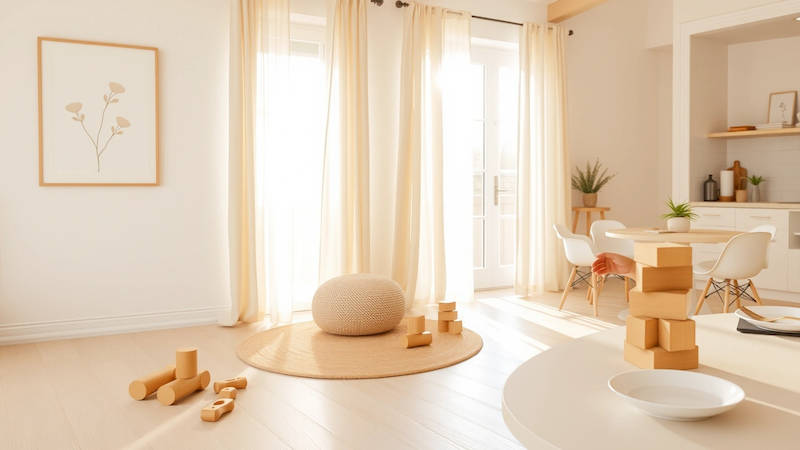
The sheer volume of children’s toys in most homes can be overwhelming. It's a common struggle for parents striving for a more minimalist lifestyle - a landscape littered with plastic, plushies, and puzzles. Beyond the aesthetic overwhelm, a surplus of toys actually hinders a child's development. Research suggests that less can truly be more when it comes to play, fostering creativity, problem-solving skills, and focus. But how do you actually tackle the toy chaos without triggering emotional meltdowns? Decluttering children’s toys isn’t simply about tidying up; it’s about teaching valuable lessons about ownership, gratitude, and letting go – and doing so with empathy and a mindful approach.
This article delves into the practical strategies for decluttering children's toys, not as a forceful eviction, but as a collaborative process that respects your child's attachment to their belongings. We will explore techniques that minimize drama, maximize learning opportunities, and cultivate a more peaceful, organized play space for everyone. Minimizing toys is not about depriving children, but enriching their play experience and freeing up space – both physical and mental – for what truly matters. It’s about shifting the focus from quantity to quality, and fostering a sense of contentment with what they have.
Laying the Groundwork: Preparation & Mindset
Before you even think about touching a single LEGO brick, preparation is key. This isn't a quick sprint; it’s a marathon requiring patience and a clear plan. The first step involves communicating with your child (age-appropriate, of course). Don't spring a surprise decluttering session on them. Instead, frame it as a collaborative "toy review," a chance to decide which toys are truly loved and which are ready to bring joy to another child. Explain that making room will allow for new adventures and imaginative play. “We have so many wonderful toys, let's find some that other children who don't have as many toys would really enjoy!" is a good place to start.
It's also crucial to establish some clear criteria before the decluttering begins. This prevents arbitrary decision-making and ensures fairness. Questions to consider: Is the toy broken? Has it been outgrown? Does it align with their current interests? Have they played with it in the past month? Adding these frameworks upfront can prevent accusations of unfairness later on. Leading psychologist, Dr. Tovah Klein, author of The Parent’s Guide to Raising Resilient Children emphasizes that “Children need to learn about letting go, and this is a safe way to practice that skill. It’s about finding a balance between holding onto valued possessions and understanding that we can’t keep everything.”
Finally, preemptively plan where the decluttered toys will go. Will they be donated to a local charity? Given to family or friends? Sold online or at a consignment sale? Having a destination in mind makes the act of letting go feel more purposeful and less like simply throwing things away. Enlist your child’s help in choosing the donation recipient if possible – selecting a charity that aligns with their values can make the process even more meaningful.
The Gradual Approach: Small Bites, Big Impact
Don't attempt to conquer the entire toy kingdom in one fell swoop. This is almost guaranteed to result in overwhelming resistance and tears. Instead, embrace a gradual approach, tackling one category at a time: stuffed animals one day, building blocks another, art supplies the next. This targeted approach makes the task feel less daunting for both you and your child. Consider starting with toys that are clearly no longer used or enjoyed, like broken items or those stored away for a long time. These serve as easier “wins” and build momentum.
Implementing a “one in, one out” rule after the initial declutter can also be incredibly effective. For every new toy that enters the home, an old one must be donated or discarded. This simple rule helps prevent future build-up and instills a sense of responsibility. This is where having a single location for new toys is helpful – a designated “Toy Arrival Zone” – where they must wait until a selection process happens. The key is consistency. It’s the small, consistent efforts that ultimately make the biggest difference in maintaining a clutter-free environment.
Furthermore, rotating toys can be a game-changer. Pack away half of the toys and store them in a less accessible location. After a few weeks – or a month – swap them out. This creates a sense of “newness” and rediscovery without the need for constant purchasing. This simple technique can revitalize a child's interest in their existing toys and reduce the demand for more.
Engaging Your Child in the Process: Empowerment & Choice
This is not a dictatorial decree. It's a collaborative exploration. The more your child feels empowered and involved, the less resistance you’ll encounter. Offer choices within the framework you’ve established. Instead of saying, “You need to get rid of this,” try, “Which of these three stuffed animals are you ready to share with other children?” Giving them agency over the decision-making process is critical.
One helpful technique is the “Maybe Box.” If your child is hesitant to part with certain toys, place them in a box and store it out of sight for a designated period (e.g., a month). If they don’t ask about the toys during that time, it's a clear indication that they’re ready to let them go. This method respects their attachment while providing a natural way to assess their true level of interest. Remember to revisit the box together so they feel ownership.
Another powerful element is linking decluttering to a positive outcome. Discuss the joy the donated toys will bring to other children. Read books about generosity and giving back. Frame it not as losing toys, but as sharing happiness. This shifts the narrative from one of deprivation to one of kindness and compassion.
Dealing with the Emotional Fallout: Validation & Empathy
Expect some emotional responses. It’s perfectly normal for children to feel sad or anxious about parting with cherished possessions. Avoid dismissing their feelings or minimizing their attachment. Instead, validate their emotions with statements like, “I understand it’s hard to say goodbye to this teddy bear; you’ve had it for a long time.” Acknowledging their feelings demonstrates empathy and creates a safe space for them to process their emotions.
Resist the urge to negotiate with bribes or rewards. This reinforces the idea that possessions hold emotional value and can be "bought" with treats or privileges. Instead, focus on helping them process their sadness and offering comfort. Perhaps create a special memory book with photos of their favorite toys before they are donated. This tangible reminder can help preserve the positive memories associated with the toy without the need to physically hold onto it.
If your child genuinely clings to everything, consider compromise. Perhaps they can keep a limited number of “special keepsakes” while donating the rest. This demonstrates flexibility and respect for their attachment while still achieving the goal of decluttering.
Beyond the Toys: Preventing Future Build-Up
Decluttering is not a one-time event; it's an ongoing process. Implementing strategies to prevent future build-up is essential. As mentioned before, the “one in, one out” rule is invaluable. So is being mindful of gift-giving occasions. Encourage family and friends to consider experiences rather than material possessions for birthdays and holidays. Suggest donations to a charity in lieu of gifts.
Regularly reassess the toys that remain. Schedule a “toy review” every few months to identify items that are no longer used or enjoyed. This proactive approach prevents the toy collection from spiraling out of control again. Consider creating designated storage solutions for specific categories of toys, making it easier to maintain order.
Simplifying Systems: Organization for Longevity
Once decluttered, a streamlined organizational system will maximize the impact. Open shelving displays toys in a visually appealing way, encouraging use. Clear storage bins labeled with pictures (for pre-readers) or words make it easy for children to independently tidy up. Rotate these bins through the seasons to keep things interesting.
Avoid complex systems that are difficult for children to maintain. The simpler, the better. A good system empowers them to take ownership of their belongings and promotes a sense of responsibility. Consider creating “play zones” for different types of activities, like a reading nook, a building area, and an art station. This defines spaces and limits the spread of toys throughout the house.
In conclusion, decluttering children's toys is a journey that requires patience, empathy, and a mindful approach. It’s about more than just tidying up; it's about teaching valuable life lessons and creating a more peaceful, enriching environment for your family. Start small, involve your child in the process, validate their emotions, and focus on the positive outcomes. Remember, less truly can be more – more creativity, more focus, and more space for what truly matters: connection, imagination, and joyful play. The ultimate goal isn't a perfectly minimalist home; it's a home that supports your family's well-being and allows everyone to thrive. Start today with one small category, and embrace the liberating feeling of letting go.
Deja una respuesta