
Tips for Mixing Modern and Minimalist Decor Harmoniously
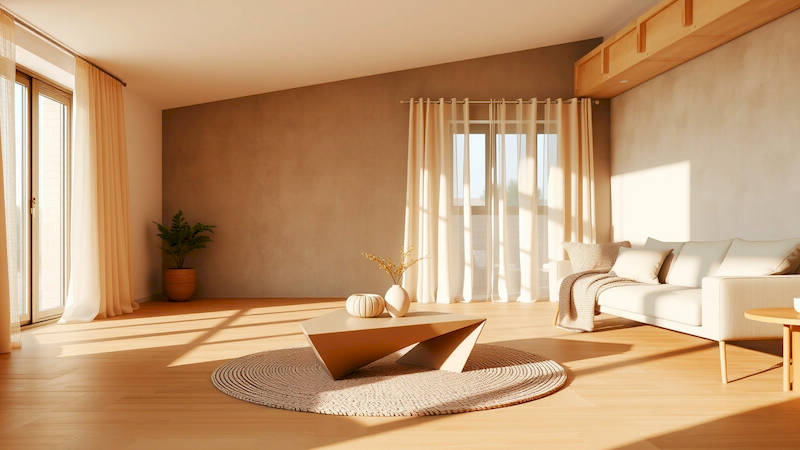
The pursuit of a calm, curated home often leads us to explore different aesthetic styles. Two incredibly popular choices – modern and minimalist – frequently top the list. While seemingly aligned in their appreciation for clean lines and functionality, they possess distinct characteristics. Modern decor emphasizes form, materials, and a certain boldness through color and texture, emerging from the early to mid-20th century movements. Minimalism, however, prioritizes less – stripping a space down to its essential elements for a truly uncluttered existence. The idea of blending these two approaches might feel counterintuitive, but when executed thoughtfully, the result can be a space that feels both sophisticated and serene; a home that’s both visually engaging and profoundly peaceful. This article will delve into the art of blending modern and minimalist interiors, offering practical strategies and insights to create a harmonious, stylish, and functional living space.
The appeal of mixing these styles comes from their complementary strengths. A purely minimalist space can sometimes feel cold or sterile, lacking personality. Modern elements inject warmth and visual interest, preventing a space from feeling clinical. Conversely, a purely modern interior can feel cluttered or overwhelming without the restraint and editing that minimalist principles provide. The key lies in understanding the nuances of each style and implementing a blend that reflects your personal taste and lifestyle. It's about striking a balance, not striving for a rigid adherence to either aesthetic. This approach caters to the growing trend of ‘soft minimalism,’ where comfort and personality take precedence over strict austerity.
- Establishing a Neutral Foundation: The Power of a Minimalist Base
- Integrating Modern Furniture: Balancing Form and Function
- The Art of Accents: Color, Texture, and Strategic Layers
- Lighting as a Design Element: Marrying Minimalism & Modern Flair
- Decluttering and Editing: The Ongoing Commitment to Harmony
- Embracing Imperfection and Personal Expression
- Conclusion: A Harmonious Balance for Modern Living
Establishing a Neutral Foundation: The Power of a Minimalist Base
The most effective strategy for harmonizing modern and minimalist aesthetics begins with a strong minimalist foundation. This doesn't mean your home needs to be devoid of personality, but it does mean prioritizing clean lines, a muted color palette, and decluttering as a primary step. Think of this base as a blank canvas upon which you’ll layer modern accents. Walls should be painted in neutral tones – crisp whites, soft grays, or warm beiges – and maintain a clear sense of space. Flooring should be equally understated; natural wood floors, concrete, or large-format tiles work exceptionally well. The point is to avoid anything overly ornate or visually disruptive in the foundational elements.
This initial minimalistic approach creates a sense of calm and spaciousness, providing a soothing backdrop for more expressive modern pieces. Consider the principles of 'negative space' – intentionally leaving areas of emptiness to allow the eye to rest. This doesn’t imply emptiness in the sense of blandness, but rather deliberate absence of visual clutter. Don't underestimate the impact of lighting either. Minimalist lighting typically focuses on functionality and simplicity, such as recessed lights or sleek track lighting. This creates an even illumination that further amplifies the feeling of openness and allows modern lighting fixtures to become focal points.
A crucial mistake to avoid is attempting to introduce too many bold colors or patterns during the foundation-building phase. Maintaining a neutral base will ensure that the modern accents you introduce later generate the maximum impact without overwhelming the space, creating a cohesive connection. Think of a gallery space: predominantly white walls are used to showcase art – the same principle applies here.
Integrating Modern Furniture: Balancing Form and Function
Once you've established a minimalist foundation, you can confidently introduce modern furniture pieces. The key here is intentionality. Don't simply fill the space with furniture; curate a collection of pieces that are both visually striking and functionally sound. Mid-century modern furniture, with its clean lines, organic shapes, and emphasis on materials like wood and leather, integrates seamlessly with minimalist interiors. Think a Eames lounge chair alongside a minimalist sofa, or a walnut dining table paired with simple, streamlined chairs.
Look for pieces that showcase compelling forms and interesting materials. A sculptural chair, a coffee table with a unique geometric base, or a credenza featuring natural wood grain can add depth and personality without disrupting the overall minimalist aesthetic. Attention should be paid to the scale of furniture pieces relative to the space. Overly large or bulky furniture can overwhelm a minimalist room, so opt for pieces that are proportionate and allow for ample breathing room. Another aspect to consider is how different textures interact with each other. A smooth leather sofa can be beautifully contrasted with a rough, woven rug.
According to interior designer Emily Henderson, “Investing in a few high-quality, statement-making furniture pieces is always a better strategy than filling a space with lots of inexpensive items. These carefully chosen pieces become focal points and elevate the entire aesthetic.” Remember to prioritize quality craftsmanship and timeless design – these features will ensure that your furniture remains stylish and relevant for years to come.
The Art of Accents: Color, Texture, and Strategic Layers
While a minimalist base encourages neutrality, modern aesthetics are often characterized by bolder color palettes and textural contrasts. This is where strategic layering becomes essential. Introduce color through artwork, rugs, throw pillows, and accessories, rather than major furniture pieces. A vibrant abstract painting or a colorful rug can add a pop of visual interest to a neutral room. Don’t be afraid to experiment with different shades, but aim for a cohesive color scheme – perhaps pulling colors from a single piece of artwork and repeating them throughout the space.
Texture plays an equally important role. Incorporate materials like wool, linen, velvet, and wood to add depth and warmth. A chunky knit throw blanket, a woven basket, or a textured rug can all contribute to a more inviting and comfortable space. Consider introducing metallic accents – gold, bronze, or copper – to add a touch of luxury and sophistication. However, use them sparingly; a few strategically placed metallic accessories can be far more effective than an overabundance.
Think about the rule of three – grouping objects in odd numbers often creates a more visually appealing arrangement. A cluster of three vases of varying heights or a collection of three framed prints can add a touch of curated intention to a shelf or tabletop. Remember, these accents serve to enhance the minimalist foundation, not to compete with it.
Lighting as a Design Element: Marrying Minimalism & Modern Flair
Lighting is often an afterthought in interior design, but in the context of blending modern and minimalist styles, it’s a crucial element. Minimalist lighting often favors recessed lights, simple pendant lights and streamlined floor lamps that deliver necessary illumination without drawing undue attention. Modern lighting, conversely, frequently incorporates bolder shapes, statement materials, and dramatic effects. Combining these two approaches allows you to achieve both functionality and visual interest.
Consider a minimalist living room with recessed lighting supplemented by a modern sculptural floor lamp. The recessed lights provide even illumination, while the floor lamp serves as a focal point and adds a touch of artistic flair. A modern chandelier above a minimalist dining table can create a luxurious and dramatic ambiance. When selecting light fixtures, pay attention to the materials. Metal finishes like brushed nickel, brass, or black can complement both modern and minimalist aesthetics. Be mindful of the scale of the fixtures; a large, imposing chandelier might overwhelm a small room.
“Lighting not only illuminates a space, but also defines its mood and atmosphere”, says renowned lighting designer, David Trubridge. Layering your lighting – incorporating ambient, task, and accent lighting – allows you to create a dynamic and versatile space that can adapt to different needs and occasions. Don't forget the power of natural light. Maximize natural light by keeping windows unobstructed and using sheer curtains that allow daylight to filter through.
Decluttering and Editing: The Ongoing Commitment to Harmony
Both minimalist and modern aesthetics prioritize a sense of order and calm, and this requires a continuous commitment to decluttering and editing. Regularly assess your belongings and let go of anything that no longer serves a purpose or brings you joy. This is not a one-time task; it’s an ongoing process. The goal is to create a space that feels curated, not cluttered.
Minimalism isn't about deprivation; it's about intentionality. Every item in your home should have a purpose or bring you joy. Don’t be afraid to donate, sell, or discard items that no longer align with your lifestyle or aesthetic. When adding new items to your home, be mindful of your consumption habits. Prioritize quality over quantity, and choose pieces that are both functional and beautiful.
Consider adopting a “one in, one out” rule: for every new item you bring into your home, get rid of something else. This helps to prevent clutter from accumulating. Regular decluttering not only enhances the aesthetic appeal of your space but also reduces stress and promotes a sense of well-being. A cluttered home can contribute to a cluttered mind.
Embracing Imperfection and Personal Expression
Ultimately, the most successful blending of modern and minimalist decor is one that feels authentic and reflects your personal style. Don't strive for perfection; embrace a degree of imperfection. A few carefully chosen imperfections – a slightly worn rug, a vintage piece with a weathered patina – can add character and warmth to a space.
Allow your personality to shine through in the details. Display artwork that you love, showcase cherished mementos, and incorporate personal touches that make your home feel uniquely yours. While minimalism encourages restraint, it doesn’t require you to sacrifice individuality. Modern design, too, is often about self-expression. It's about creating a space that is both beautiful and functional, and that reflects your values and aspirations. Combining the two allows you to create a home that is both stylish and soulful, and that truly resonates with your spirit.
Conclusion: A Harmonious Balance for Modern Living
Successfully blending modern and minimalist decor hinges on a thoughtful approach, understanding the core principles of each style and then intentionally mixing their strengths to create a harmonious and inviting space. Prioritizing a minimalist foundation – neutral color palettes, clean lines, and strategic decluttering – provides a calming backdrop for the more expressive elements of modern design. Introducing modern furniture pieces with intentionality, layering in color and texture through accents, and utilizing lighting as a design element are all crucial steps towards achieving this balance.
However, the most important takeaway is the commitment to ongoing editing and the freedom to embrace personal expression. Don’t be afraid to experiment, to break the rules, and to create a space that truly reflects your unique tastes and lifestyle. The goal isn’t to create a showroom, but a home – a sanctuary that is both beautiful and deeply personal. By employing these strategies, you can create a living space that is not only aesthetically pleasing but also profoundly peaceful, functional, and uniquely your own. Begin with decluttering a single room, then thoughtfully introduce one modern accent piece; this iterative approach will build confidence and ensure a harmonious, beautiful result.
Deja una respuesta