
Curating Minimalist Decor Accessories That Don’t Overwhelm
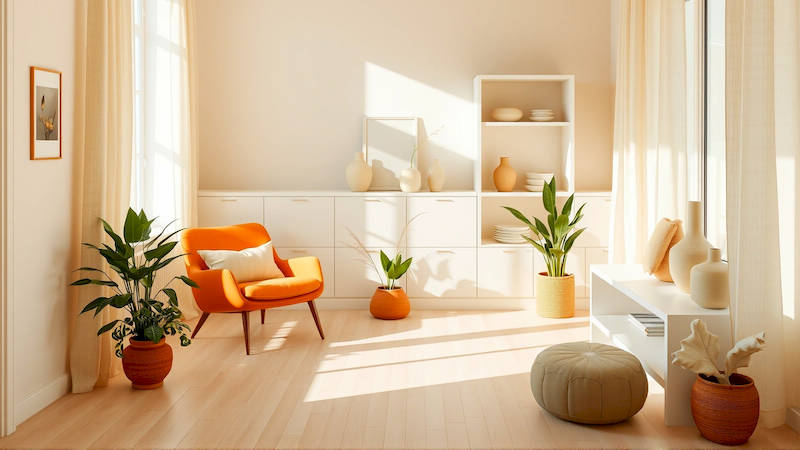
The pursuit of a minimalist lifestyle isn’t about stark emptiness; it’s about intentionality. It’s a conscious rejection of excess in favour of quality and purpose. Nowhere is this more evident – and often more challenging – than in home decor. While the allure of a beautifully styled space is strong, the ease with which accessories can accumulate and create visual clutter is a constant threat to the peaceful sanctuary a minimalist home should be. The key isn’t to eliminate accessories entirely, but to curate them thoughtfully, selecting pieces that contribute to the overall aesthetic and enhance the functionality of the space without contributing to an overwhelming sense of “stuff.”
Many people mistakenly believe minimalism demands a complete lack of personality. This isn’t true. Well-chosen accessories are essential for injecting your individual style into a space, making it feel lived-in and welcoming. The difficulty lies in striking the correct balance. A cluttered space leads to a cluttered mind, studies have shown. Research from Princeton University Neuroscience Institute directly links physical clutter to increased stress and anxiety. Effectively curating decor accessories, therefore, isn’t simply aesthetic improvement; it’s an investment in your well-being. This article will guide you through the process of choosing accessories that create a calm, harmonious, and genuinely minimalist home.
- The Power of Negative Space & Strategic Placement
- Prioritizing Functionality and Multi-Purpose Items
- The Importance of Texture and Natural Materials
- Curating Artwork with Intention
- The One-In, One-Out Rule & Seasonal Rotation
- Embracing Imperfection and The Beauty of "Enough"
- Conclusion: Cultivating a Calm and Intentional Space
The Power of Negative Space & Strategic Placement
Minimalist design fundamentally relies on the concept of negative space – the empty areas surrounding objects. This isn't wasted space; it’s a crucial element that allows the eye to rest and appreciate the carefully chosen items you do have. Thinking about this “breathing room” is the foundational step in accessory selection. Before you even consider buying something new, analyze the existing negative space in a room. Where does the eye naturally travel? What areas feel crowded, and why? Ask yourself: can the existing space accommodate another element without becoming visually chaotic?
Strategically limiting the number of accessories in a room is paramount. A common rule of thumb is the 60-30-10 rule, adapted for minimalist spaces. Sixty percent of the room should be dominated by neutral colours and foundational elements (walls, flooring, large furniture pieces). Thirty percent should be dedicated to secondary colours and textures (rugs, curtains, accent furniture) and only 10% to accessories. However, in true minimalist practice, reduce that 10% even further. Focus on quality over quantity. Rather than scattering numerous small trinkets, opt for a single, impactful statement piece. Consider a large-scale artwork, a sculptural vase, or a beautifully crafted textile.
The placement of accessories is just as crucial as their selection. Avoid grouping too many items together. Create visual "pauses" between objects. For example, instead of a cluster of framed photos on a mantelpiece, choose one or two meaningful pieces and allow them to stand alone. Utilize vertical space – floating shelves can display a few well-chosen objects without taking up valuable floor space. Grouping items in odd numbers (three, five, seven) is often more visually appealing than even numbers, creating a more dynamic composition.
Prioritizing Functionality and Multi-Purpose Items
In minimalist decor, everything should serve a purpose. If an accessory doesn’t add value to the space – either aesthetically or functionally – it shouldn't be there. This is a powerful mindset shift. Instead of asking, “Do I like this?” ask, “Does this make my life easier or more enjoyable?” or “What problem does this solve?” Accessories that combine beauty with utility are ideal.
Consider, for example, a woven basket. A beautiful basket isn’t just a decorative item; it’s a functional storage solution for blankets, toys, or magazines. A ceramic tray isn’t merely an object to look at; it can hold keys, mail, or toiletries. Choosing items with dual purposes inherently reduces the need for more stuff. This principle extends to furniture as well; an ottoman with hidden storage is far more valuable than a purely decorative one. Expert interior designer Marie Kondo, author of The Life-Changing Magic of Tidying Up, frequently emphasizes the importance of asking if an item “sparks joy” and serves a necessary function. If it fails on either count, it’s time to let it go.
Furthermore, prioritize accessories that enhance the natural light in your home. Mirrors, for instance, can brighten a room and create the illusion of more space. Sheer curtains allow light to filter through while still providing privacy. Avoid heavy, dark accessories that absorb light and make a room feel smaller and more confined.
The Importance of Texture and Natural Materials
Minimalism doesn't equate to cold sterility. Warmth and character are essential, and they can be beautifully introduced through texture and natural materials. Instead of relying on a multitude of colourful accessories, focus on incorporating pieces with interesting tactile qualities. Think linen throws, wool rugs, wooden bowls, and ceramic vases. These materials add depth and visual interest without contributing to visual clutter.
Natural materials also bring a sense of calm and grounding to a space. They connect us to the natural world, which has been shown to reduce stress and improve well-being. A simple arrangement of branches in a vase, a woven rug made from natural fibres, or a wooden serving tray can add organic texture and warmth to a minimalist room. Avoid plastic or synthetic materials whenever possible, as they often lack the inherent beauty and character of natural textures.
When selecting textured accessories, consider the overall colour palette of the room. Neutral tones – whites, greys, beiges, browns – are often the foundation of minimalist design, and textured accessories in these colours can add subtle variation and interest without disrupting the calm aesthetic. However, you can also introduce small pops of colour through textured accessories, such as a brightly coloured cushion or a patterned throw blanket. This should be done sparingly to maintain the overall sense of minimalism.
Curating Artwork with Intention
Artwork is a powerful way to personalize a minimalist space, but it’s also an area where it’s easy to fall into the trap of over-accessorizing. The key is to select pieces that resonate with you deeply and contribute to the overall aesthetic of the room. Focus on quality over quantity. A single, impactful piece of artwork is often far more effective than a gallery wall filled with smaller prints.
When choosing artwork, consider the size and scale of the room. A large, statement piece can anchor a space and draw the eye, while a smaller piece can add a subtle touch of personality. Avoid choosing artwork simply because it matches the colour scheme of the room. Instead, look for pieces that evoke emotion, tell a story, or inspire you. Black and white photography, abstract paintings, and minimalist prints are all well-suited to minimalist decor.
Another important consideration is the framing. Simple, understated frames in neutral colours (white, black, wood) are often the best choice for minimalist artwork. Avoid ornate or overly decorative frames, as they can detract from the artwork itself. Consider the placement of the artwork as well. Hang it at eye level and allow it to breathe by leaving ample negative space around it.
The One-In, One-Out Rule & Seasonal Rotation
Maintaining a minimalist aesthetic requires ongoing discipline. It’s not enough to simply declutter once; you need to establish systems to prevent clutter from accumulating again. The "one-in, one-out" rule is a powerful tool for this. Every time you bring a new accessory into your home, commit to removing an existing one. This forces you to be more mindful of your purchases and ensures that your collection remains curated and intentional.
Seasonal rotation is another effective strategy. Store away accessories that are not relevant to the current season. For example, swap out heavy wool throws and dark-coloured cushions for lighter linens and brighter colours in the spring and summer. This not only declutters your space but also allows you to refresh the look and feel of your home throughout the year. Store these accessories in labelled storage containers to keep them organized and easily accessible when you want to switch them out.
Regularly reassess your accessories. Don't be afraid to let go of items that no longer serve a purpose or spark joy. Remember, minimalism is an ongoing process, not a destination. It requires constant evaluation and refinement. Embrace the freedom that comes with owning less and living more intentionally.
Embracing Imperfection and The Beauty of "Enough"
The pursuit of minimalism can sometimes veer into the realm of perfectionism, but it’s important to remember that imperfection is part of life. A perfectly curated home isn’t necessarily a comfortable one. It’s okay to have a few personal touches that don’t necessarily fit into a rigid aesthetic. A handmade gift from a loved one, a cherished souvenir from a trip, or a well-worn book can add character and warmth to a minimalist space.
Ultimately, the goal of minimalist decor isn’t to achieve a picture-perfect home but to create a space that supports your well-being and allows you to live more intentionally. Learning to recognize “enough” is a key component of this. Understanding when you have sufficient accessories, and resisting the urge to constantly acquire more, is a crucial step towards a truly minimalist lifestyle. Focus on creating a space that feels calm, peaceful, and authentically you, not on adhering to arbitrary rules or trends.
Conclusion: Cultivating a Calm and Intentional Space
Curating minimalist decor accessories is about more than just aesthetics; it’s about creating a living space that promotes well-being, reduces stress, and supports a more intentional lifestyle. By prioritizing functionality, embracing natural textures, strategically utilizing negative space, and embracing the concept of "enough," you can transform your home into a haven of calm and simplicity. The one-in, one-out rule, seasonal rotation, and regular reassessment are essential practices for maintaining this curated aesthetic over time. Remember that imperfection is embraced and personal touches are valued.
The key takeaway is to be mindful and intentional with every item you bring into your home. Ask yourself: Does this add value to my life? Does it serve a purpose? Does it spark joy? If the answer to any of these questions is no, it’s time to let it go. Start small – focus on one room at a time. Don't try to overhaul your entire home overnight. Begin by decluttering existing accessories, then slowly and intentionally add new pieces that align with your minimalist values. The process may take time, but the rewards – a calmer mind, a more peaceful home, and a more intentional life – are well worth the effort.
Deja una respuesta