
Guiding kids to practice mindfulness through minimalist habits
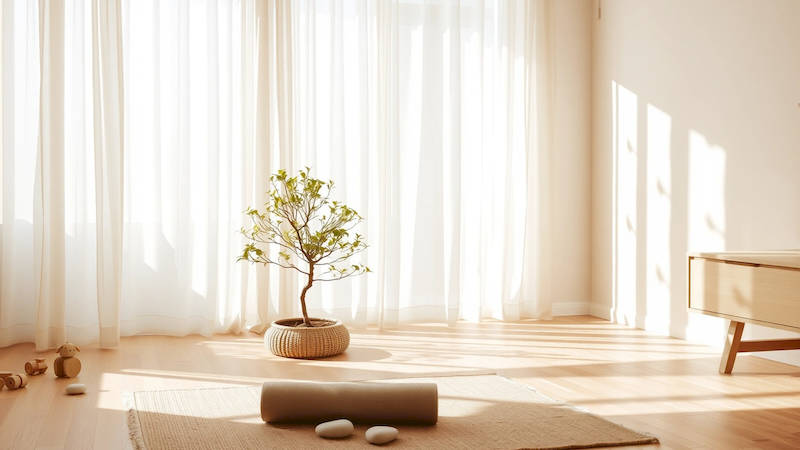
In today’s hyper-stimulated world, children are bombarded with messages, possessions, and commitments, often leading to stress, anxiety, and a sense of overwhelm. While minimalism is often presented as a lifestyle for adults seeking freedom from clutter, its principles are remarkably well-suited to supporting children’s emotional and mental wellbeing. By intentionally simplifying their environment and fostering mindful habits, we can equip kids with tools to navigate the complexities of modern life with greater ease and resilience. This isn’t about deprivation; it’s about creating space – space for creativity, connection, and a calmer, more focused childhood.
The connection between our physical environment and our mental state is powerful, a concept increasingly supported by psychological research. A cluttered space can contribute to a cluttered mind, making it harder for children to concentrate, regulate emotions, and simply be present. Minimalism, when approached thoughtfully, isn’t about having less, it’s about having enough – enough possessions to support a fulfilling life without being burdened by excess. Introducing minimalist principles alongside mindful practices offers a unique pathway to building emotional intelligence and inner peace within the family unit.
This article will explore how to integrate minimalist habits into family life as a means of fostering mindfulness in children, providing practical strategies and insights to create a more intentional and peaceful home environment. We will move beyond simply decluttering to examine how intentionality in consumption, mindful routines, and a focus on experiences can nurture a lifelong practice of mindfulness in young minds.
- The Foundation: Minimalism as a Mindfulness Practice for the Whole Family
- Simplifying Spaces: Creating Zones for Mindfulness
- Mindful Consumption: Shifting from ‘Want’ to ‘Need’
- Cultivating Gratitude: Appreciating What We Have
- Mindful Routines: Creating Space for Calm in a Busy Life
- Leading by Example: The Power of Parental Modeling
The Foundation: Minimalism as a Mindfulness Practice for the Whole Family
Minimalism isn’t solely about aesthetics or reducing possessions; it's fundamentally a practice of intentionality. Before introducing this concept to your children, reflecting on your own relationship with belongings is essential. Children learn by observation, and if they see parents constantly acquiring new things or struggling with clutter, the message sent will contradict any attempt to instill minimalist values. Start by evaluating your own consumption patterns and consciously choosing to buy less, focusing on quality over quantity. This demonstrates to your children that possessions aren't the key to happiness.
Once you’ve begun to embody these principles, you can begin discussing them with your children in age-appropriate terms. With younger children, frame it as "making room for things we really love." Avoid language that equates possessions with worth or personal value, focusing instead on the benefits of simplicity: more space to play, easier clean-up, and less stress. For older children, you can introduce the idea of conscious consumerism and the environmental impact of our choices. Explain how reducing waste and owning less can contribute to a more sustainable lifestyle.
A crucial aspect is transforming decluttering into a collaborative family activity, emphasizing the joy of donating to those in need. Turn it into a game, focusing on giving items a "new life" rather than discarding them. This fosters empathy and reinforces the idea that happiness doesn't stem from having things, but from sharing and contributing to something larger than oneself. Even simple routines like a weekly “toy rotation” can bring mindfulness, allowing kids to truly appreciate and engage with a limited selection of their possessions at a time.
Simplifying Spaces: Creating Zones for Mindfulness
The physical environment plays a huge role in cultivating mindfulness. A chaotic, cluttered space signals to the brain that it needs to be in “alert” mode, constantly scanning for potential threats. By creating designated zones within the home that are intentionally simplified, you offer children spaces dedicated to calm and focused attention. This doesn’t mean the entire house needs to look like a showroom; it’s about identifying areas where mindful activities happen – a reading nook, an art corner, a play space – and keeping those zones free from unnecessary distractions.
Consider a ‘mindful corner’ equipped with cozy cushions, a few carefully selected books, and perhaps a small meditation cushion. This space becomes a sanctuary for quiet reflection and relaxation. In children’s bedrooms, prioritize open floor space for play and movement, minimizing furniture and limiting the number of toys visible at any given time. Implement storage solutions like bins and baskets, but encourage children to participate in organizing their belongings and making choices about what stays and goes.
This principle extends beyond physical spaces to encompass digital environments. Establish screen-free times and designated spaces where technology is not allowed, ensuring opportunities for undistracted play and connection. Discuss the impact of constant stimulation from screens and help children develop healthy boundaries around technology use. “Tech-free Tuesdays” or after-dinner screen bans can be a great place to start.
Mindful Consumption: Shifting from ‘Want’ to ‘Need’
One of the biggest challenges in a consumer-driven society is helping children distinguish between what they want and what they need. Minimalism teaches us to question our impulses and evaluate whether a purchase will truly add value to our lives. With children, this requires a proactive approach, starting with open conversations about advertising and marketing techniques. Discuss how companies try to influence our desires and encourage children to think critically about these messages.
Before making any purchase, encourage children to pause and ask themselves a few key questions: “Do I really need this?” “Do I already have something similar?” “Will this bring me lasting joy, or just a temporary thrill?” Implement a “waiting period” for non-essential items. A few days or weeks of pausing allows the initial desire to subside and provides an opportunity to reflect on whether the item is truly needed.
Introduce alternative ways to fulfill desires that don’t involve buying new things. Encourage experiences over possessions: a trip to the park, a family game night, or a creative art project. Explore opportunities for sharing, borrowing, or making things instead of buying them. This shifts the focus from acquiring material possessions to creating meaningful memories and fostering resourcefulness. A helpful practice is maintaining a “wish list” that is revisited periodically, filtering out impulsive desires and prioritizing items that serve a genuine purpose.
Cultivating Gratitude: Appreciating What We Have
Minimalism often leads to a greater appreciation for what we already have. When we’re less focused on acquiring new things, we’re more likely to notice and cherish the blessings in our lives. Cultivating gratitude is a powerful mindfulness practice that helps children develop a sense of contentment and resilience. Regularly practicing gratitude as a family can reinforce this shift in perspective.
Implement a daily gratitude practice, such as sharing three things each person is grateful for during mealtimes. Keep a gratitude journal where children can write down or draw pictures of things they appreciate. Model gratitude yourself by expressing appreciation for the things your children do and for the simple joys in life. Recognize the value in used or handmade items, highlighting the stories and memories associated with them.
Frame gratitude not as a feeling you should have, but as a practice of noticing and acknowledging the good things in your life. “Today, I'm grateful for the sunshine and the warm breeze” is a more mindful approach than simply stating, "I'm grateful.” This simple shift helps children connect with the feeling of gratitude rather than just reciting a formula.
Mindful Routines: Creating Space for Calm in a Busy Life
Routines provide structure and predictability, which can be incredibly grounding for children, especially in a fast-paced world. However, minimalist routines aren't about rigid schedules; they’re about intentionally creating space for calm and focused attention amidst the busyness of daily life. Simplify existing routines by identifying unnecessary activities and streamlining processes.
Establish a morning routine that prioritizes calm and connection over rushing and stress. This might include a few minutes of quiet meditation, a gentle stretching routine, or simply sharing a few moments of peaceful conversation. Similarly, create a bedtime routine that promotes relaxation and prepares children for restful sleep. This could involve reading a calming story, listening to soothing music, or practicing deep breathing exercises.
Incorporate mindful transitions between activities. Instead of abruptly switching from one task to another, take a few moments to pause and acknowledge the change. Encourage children to take deep breaths and center themselves before starting a new activity. These small moments of mindfulness can help children stay grounded and focused throughout the day.
Leading by Example: The Power of Parental Modeling
Ultimately, the most effective way to guide children towards mindfulness through minimalist habits is to embody these principles yourself. Children are astute observers, and they learn far more from what you do than from what you say. Prioritize your own wellbeing, declutter your own life, and practice mindful consumption.
Be open and honest about your own struggles with consumerism and clutter. Share your thought process when making purchasing decisions, explaining why you choose quality over quantity or opt for experiences over possessions. Model gratitude by expressing appreciation for the things you have and by focusing on the positive aspects of your life. Your children will naturally gravitate towards your example and begin to adopt these habits themselves. This consistent demonstration of values is far more impactful than any lecture or instruction.
In conclusion, guiding children to practice mindfulness through minimalist habits is a powerful investment in their emotional and mental wellbeing. It's about creating a home environment that supports calm, focus, and connection, and empowering children with the tools to navigate the complexities of modern life with greater resilience and joy. By embracing intentionality, simplifying spaces, cultivating gratitude, and leading by example, we can help our children develop a lifelong practice of mindfulness that will serve them well throughout their lives. Remember this isn’t about achieving a perfectly minimalist home, it’s about creating a more intentional and fulfilling life for the entire family, one mindful habit at a time. The key takeaway is not less stuff, but more life.
Deja una respuesta