
Encouraging kids to practice gratitude in a minimalist home
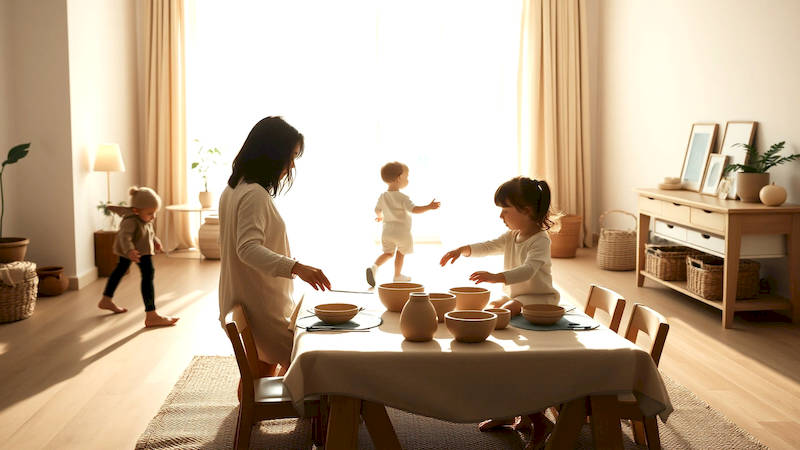
The pursuit of a minimalist lifestyle is often associated with decluttering possessions, but it's a philosophy that extends far beyond physical space. It’s about intentionality, focusing on what truly adds value to our lives, and fostering deeper connections – both with ourselves and with those around us. For families embracing minimalism, this provides a unique opportunity to cultivate gratitude in children. In a world saturated with consumerism and a constant bombardment of “more,” teaching kids to appreciate what they have, rather than constantly desiring what they don't, is more crucial than ever. This isn’t about denying children enjoyment, but redirecting their focus to the richness already present in their lives, and shaping them into thoughtful, appreciative individuals.
Often, the very act of simplifying – letting go of excess – can be a powerful lesson in itself. It opens a dialogue about need versus want, and highlights the temporary nature of material possessions. But simply having fewer things isn't enough. Cultivating gratitude requires intentional practices and a consistent effort to shift perspective. This article will delve into practical strategies for nurturing gratitude in children within the framework of a minimalist home, outlining the benefits, exploring age-appropriate techniques, and addressing potential challenges along the way. It's about building an environment where thankfulness isn’t just a polite ‘thank you’, but a deeply ingrained habit of the heart.
- The Powerful Connection Between Minimalism and Gratitude
- Modeling Gratitude: The Cornerstone of Influence
- Intentional Moments: Incorporating Gratitude Practices
- Minimizing Exposure to Consumer Culture
- Gratitude in Challenges: Reframing Difficult Experiences
- Extending Gratitude Outward: Cultivating Generosity
- Difficulties and Reframing Expectations
The Powerful Connection Between Minimalism and Gratitude
Minimalism, at its core, is an exercise in recognizing sufficiency. By consciously reducing our consumption and decluttering our spaces, we implicitly acknowledge that we already have enough. This foundational principle provides fertile ground for cultivating gratitude. When children are surrounded by fewer possessions, each item becomes more valued, more thoughtfully considered, and less likely to be taken for granted. The ease of access to endless choices, which is so common today, often breeds a sense of entitlement and diminishes appreciation.
A minimalist home encourages children to find joy in experiences rather than things. Instead of a room overflowing with toys, a minimalist approach often leads to a curated selection, fostering deeper engagement and imaginative play with what is available. This shift can be profoundly impactful: a child who truly plays with five well-loved toys is often more content than one overwhelmed by twenty never-touched ones. According to a study by the University of California, Berkeley, children who express more gratitude are more optimistic, experience more positive emotions, and are generally more resilient. By promoting a minimalist lifestyle, parents are not just simplifying their homes, they are actively laying the groundwork for a more grateful and contented childhood.
This isn't to say that minimalism is a magical cure-all for a lack of gratitude. It's a tool, a foundational element that must be paired with deliberate and intentional practices. Simply having less stuff won’t automatically make children grateful; it creates the opportunity to nurture that quality within them. It’s about capitalizing on the space created by decluttering and consciously filling it with practices that foster appreciation and thankfulness.
Modeling Gratitude: The Cornerstone of Influence
Children learn by observing, and parents are their primary role models. One of the most effective ways to encourage gratitude in children is to demonstrate it consistently in your own life. This means expressing your own appreciation for the simple things: a warm meal, a sunny day, a kind gesture. It means verbally acknowledging the efforts of others - thanking your partner for doing the dishes, praising a coworker for their help, or writing a thank-you note to a friend.
However, modeling gratitude goes beyond verbal expression. It’s about embodying a grateful attitude in your daily life. Are you constantly complaining about what you don't have, or do you focus on what is good? Do you approach challenges with a sense of optimism and appreciation for the lessons they offer? Children are acutely attuned to these nuances. "Parents need to be 'gratitude role models'," explains Dr. Christine Carter, a sociologist at UC Berkeley and author of Raising Happiness. "Show your children, through your words and actions, that you recognize and appreciate the good things in your life."
Furthermore, actively engaging in gratitude practices together as a family can be incredibly powerful. This could include a nightly gratitude share at dinner, where each person shares three things they are thankful for. Or, it could involve journaling, where family members write down their gratitudes. These shared experiences not only model gratitude but also create a sense of connection and strengthen family bonds. Remember, children aren’t just listening to your words, they are mirroring your behavior.
Intentional Moments: Incorporating Gratitude Practices
Beyond modeling, integrating specific gratitude practices into your daily routine is vital. These practices don’t have to be time-consuming or elaborate. Simple, consistent efforts can yield significant results. One effective technique is the “three good things” exercise. Each day, at bedtime or during dinner, ask your child to identify three good things that happened that day. Encourage them to be specific, detailing why they appreciated those moments.
Another practice is gratitude journaling. For younger children, this can involve drawing or dictating their thanks to you, who can then write it down. Older children can keep their own journals, expressing their gratitude in writing. Even a few minutes of daily journaling can help children focus on the positive aspects of their lives and cultivate a more grateful mindset. Consider creating a "Gratitude Jar" where family members write down things they're thankful for on small slips of paper and add them to the jar. Periodically, read the notes aloud as a family.
Remember to tie gratitude practices to the principles of minimalism. When a child receives a gift, encourage them to express gratitude not just for the gift itself, but also for the thought and effort that went into choosing it. When decluttering toys, use it as an opportunity to discuss gratitude for the joy those toys brought in the past and the opportunity to pass them on to someone else who will enjoy them. This reframes decluttering from a loss to a cycle of appreciation and generosity.
Minimizing Exposure to Consumer Culture
Our modern culture bombards children with messages that equate happiness with possessions. Advertising, peer pressure, and social media all contribute to a constant desire for “more.” In a minimalist home, it’s crucial to actively minimize your child’s exposure to these influences. This doesn’t mean shielding them entirely from the world, but rather being mindful of the messages they are receiving and engaging in critical conversations about consumerism.
Limit screen time, particularly exposure to advertising and social media. Encourage experiences over material possessions. When your child expresses a desire for something they don’t need, engage in a conversation about wants versus needs, exploring alternatives, and discussing the value of contentment. This isn't about depriving them, but helping them develop a discerning mindset. Consider implementing a "wish list" rather than impulse purchases, and revisit the list after a designated period to evaluate whether the desire still holds.
Furthermore, be mindful of your own consumption habits. Children are quick to notice hypocrisy. If you are constantly buying new things for yourself, it will be difficult to convince them to appreciate what they already have. Leading by example is essential. When you actively demonstrate a commitment to mindful consumption, you are teaching your children a valuable life skill that extends far beyond the realm of minimalism.
Gratitude in Challenges: Reframing Difficult Experiences
Gratitude isn’t just about appreciating the good times; it’s also about finding the positive in difficult experiences. This can be challenging for children, who may struggle to understand why something unpleasant has happened. However, teaching them to look for the lessons, opportunities for growth, or silver linings in challenging situations is a powerful resilience-building skill. When faced with disappointment, encourage your child to identify something they can be grateful for, even if it’s just the support of their family.
This doesn’t mean minimizing their feelings or dismissing their pain. It means helping them reframe their perspective and find a sense of appreciation even in the midst of hardship. For example, if your child doesn’t make the team they tried out for, you could acknowledge their disappointment but also help them appreciate the effort they put in and the opportunity to learn and grow from the experience.
This practice is deeply aligned with the principles of minimalism. Minimalism encourages us to accept impermanence and appreciate the present moment. By teaching children to find gratitude even in challenges, we are fostering a sense of equanimity and resilience that will serve them well throughout their lives.
Extending Gratitude Outward: Cultivating Generosity
Gratitude isn’t just an internal emotion; it naturally leads to generosity. When we appreciate what we have, we are more likely to want to share it with others. Encourage your child to identify ways they can give back to their community or help those in need. This could involve donating gently used toys or clothes, volunteering their time, or simply performing acts of kindness for others.
In a minimalist home, this can take the form of intentionally decluttering items to donate to charity. Involve your child in the process, discussing the impact their donations will have on others. This not only reinforces the value of sharing but also helps them appreciate the things they still have. “The act of giving back cultivates empathy and fosters a sense of connection,” says Brené Brown, a leading researcher on vulnerability and courage. "It reminds us that we are all interconnected."
Difficulties and Reframing Expectations
It's important to acknowledge that cultivating gratitude isn't always easy. Children will inevitably experience moments of wanting and discontent. There will be times when they struggle to appreciate what they have, especially when bombarded by external influences. Don't view these moments as failures, but as opportunities for growth and learning.
Furthermore, be mindful of setting realistic expectations. Gratitude is a practice, not a destination. It’s a skill that takes time and effort to develop. There will be setbacks and challenges along the way. The key is to remain consistent in your efforts and to model gratitude yourself. Reframing expectations—acknowledging that gratitude ebbs and flows—can help you and your child navigate these difficulties with patience and understanding.
In conclusion, encouraging gratitude in kids within a minimalist home isn't about deprivation or restriction. It’s about intentionality. It’s about creating a space—both physical and emotional—where appreciation flourishes. By modeling gratitude, incorporating consistent practices, minimizing exposure to consumer culture, reframing challenges, and extending gratitude outward, parents can nurture a deeply ingrained habit of thankfulness in their children. This, in turn, fosters greater contentment, resilience, and a richer, more meaningful life – a life lived with appreciation for what truly matters. The benefits extend far beyond a tidier home; they shape children into thoughtful, compassionate individuals who approach the world with gratitude and generosity. Start small, be consistent, and remember that the most powerful lesson you can teach your child is to appreciate the abundance that already exists in their lives.
Deja una respuesta