
Creative Wall Storage Ideas for Kids' Books and Toys
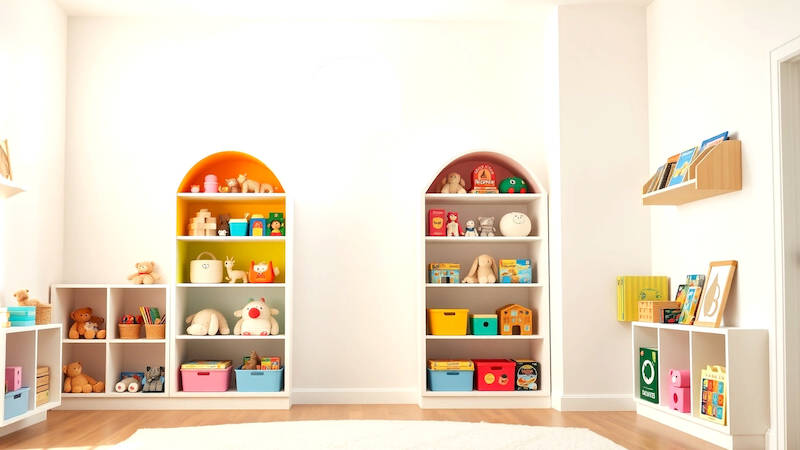
The endless sprawl of toys and books. It’s a common sight in most homes with children, and a frequent source of parental stress. Beyond the aesthetic clutter, a disorganized kids’ room can actually hinder a child’s development, making it difficult to focus, encourage independent play, and foster a sense of responsibility. In recent years, studies have shown a direct correlation between organized spaces and reduced anxiety levels, even in children. Creating functional and engaging storage solutions isn’t just about tidying up; it's about cultivating a positive and stimulating environment for learning and growth.
For many parents, the challenge lies not in wanting an organized space, but in knowing where to begin and how to make it sustainable. Traditional toy boxes, while useful, often become dumping grounds, where everything gets thrown in and lost to the abyss. The solution? Look up. Walls offer untapped potential for storage, transforming unused vertical space into a dynamic and accessible organizational system. This article dives deep into a myriad of creative wall storage ideas, providing practical advice, inspiring examples, and expert insights to help you reclaim your sanity and create a beautifully organized space for your child.
- Floating Shelves: Versatile and Adaptable Storage
- Ladder Shelves: A Playful and Functional Design
- Hanging Fabric Organizers: Soft Storage Solutions
- Wall-Mounted Baskets: A Stylish and Practical Approach
- Repurposed Wall Pockets & Organizers: Sustainable and Unique Solutions
- Magnetic Walls: Interactive and Engaging Storage for Small Toys
Floating Shelves: Versatile and Adaptable Storage
Floating shelves have become incredibly popular in interior design, and for good reason – they’re visually appealing, versatile, and relatively easy to install. In a kids' room, they provide a perfect platform to showcase favorite books, small toys, artwork, and treasured collectibles. Crucially, they're positioned at a child’s eye level, encouraging them to engage with their belongings and fostering a sense of ownership over their space. Choose shelves of varying lengths and depths to accommodate different sized items and create a visually dynamic arrangement.
When selecting floating shelves, prioritize safety. Opt for shelves with rounded edges and secure mounting hardware capable of supporting the weight of the items you plan to display. Consider using shelf dividers to keep books neatly contained and prevent toppling. According to child development expert Dr. Laura Markham, author of "Peaceful Parent, Happy Kids," "Creating designated spots for belongings, even at a young age, teaches children about responsibility and helps them develop self-discipline." Think beyond just books; decorative boxes on floating shelves can corral smaller toys like blocks, crayons, or action figures.
A common concern with floating shelves is that they can look cluttered quickly. The key is to regularly rotate the displayed items. Store less frequently used toys and books in other containers and swap them out periodically to keep the shelves fresh and engaging. This practice also encourages children to appreciate what they have and prevents them from becoming overwhelmed by too many choices. A cohesive color scheme for the books and decorative items on the shelves can also contribute to a more visually pleasing and organized look.
Ladder Shelves: A Playful and Functional Design
Ladder shelves offer a unique and playful alternative to traditional shelving. Their leaning design adds visual interest to a room, and they’re relatively space-efficient. These shelves are particularly well-suited for corners, making use of often-underutilized areas. The varying depths of the rungs allow for a diverse range of items to be displayed, from tall books and stuffed animals to smaller decorative objects.
Ladder shelves come in various materials – wood, metal, and even repurposed pallets – offering numerous options to match your room’s aesthetic. When choosing a ladder shelf for a child’s room, ensure it’s securely anchored to the wall to prevent tipping, especially in homes with active children. "Safety is paramount when selecting furniture for a child’s room," emphasizes interior designer Sarah Ramirez, "Always prioritize secure mounting and consider the risk of tipping, especially with taller pieces." Ensure the ladder leans at a safe angle and doesn’t create a tripping hazard.
Beyond books, use the wider rungs for larger items like baskets filled with toys or plush animals. The smaller rungs can hold picture frames, nightlights, or small collections. To maintain a tidy appearance, consider using labeled baskets or fabric bins to categorize toys and keep clutter contained. Regularly editing the contents of the ladder shelves is crucial to prevent it from becoming overloaded and losing its organized appeal.
Hanging Fabric Organizers: Soft Storage Solutions
Hanging fabric organizers, often featuring multiple pockets or compartments, are a fantastic solution for storing smaller toys, art supplies, and even clothing. These organizers typically hang over a door or can be mounted on a wall, utilizing vertical space without taking up valuable floor area. Their soft construction makes them a safer option than rigid shelves, particularly in areas where children play actively.
The versatility of fabric organizers is a major advantage. They come in a variety of sizes, colors, and configurations, allowing you to customize the storage to your specific needs. Clear pockets make it easy to identify the contents without having to rummage through everything. Look for organizers made from durable, washable materials to withstand the rigors of daily use. Consider a color-coding system for different types of toys to further enhance organization.
Installation is typically straightforward, requiring only hooks or adhesive strips. However, ensure the mounting hardware is strong enough to support the weight of the organizer and its contents. Regularly check the mounting to ensure it remains secure. Fabric organizers are particularly useful for items that tend to scatter, such as building blocks, LEGOs, or doll accessories. "These types of organizers empower children to independently tidy up, as they can easily see where each item belongs,” notes organizational psychologist Dr. Emily Carter.
Wall-Mounted Baskets: A Stylish and Practical Approach
Wall-mounted baskets offer a charming and rustic storage solution for kids' rooms. Woven baskets add texture and warmth to a space, and their open design allows for easy access to the items inside. These baskets can be used to store everything from books and stuffed animals to blankets and larger toys. Utilizing baskets attached to the wall creates both aesthetic appeal and efficient space utilization, particularly in smaller rooms where floor space is limited.
When selecting wall-mounted baskets, consider the weight capacity and the type of mounting hardware required. Ensure the baskets are securely attached to the wall to prevent them from falling. Metal brackets or wire hangers are common mounting options. Choose a basket material that is durable and easy to clean. Woven seagrass, metal wire, or even sturdy plastic baskets are all viable options.
Strategically position the baskets at a child’s reach, encouraging them to participate in tidying up. Labeling the baskets can further enhance organization and help children understand where to put their belongings. A practical approach is to dedicate baskets to specific toy categories – “building toys,” “art supplies,” or “stuffed animals.” Rotating the contents of the baskets can also help keep things fresh and engaging, preventing boredom and encouraging continued use of the storage system.
Repurposed Wall Pockets & Organizers: Sustainable and Unique Solutions
Thinking outside the box can lead to incredibly creative and cost-effective storage solutions. Repurposing existing items, such as old shoe organizers, fabric wall pockets, or even vintage crates, adds a unique and personal touch to a child’s room. This approach not only reduces waste but also allows you to create storage solutions that perfectly suit your space and your child’s interests.
Fabric wall pockets, often used for mail or magazines, can be repurposed to hold small books, art supplies, or even small stuffed animals. Old shoe organizers can be hung on a wall to provide numerous pockets for storing toys, accessories, or art supplies. Vintage crates, securely mounted to the wall, can serve as individual cubbies for books, toys, or display items. “Repurposing is a fantastic way to instill a sense of sustainability in children,” says environmental educator, Lisa Green. “It demonstrates that items can have multiple lives and encourages creativity.”
Before repurposing any item, ensure it’s clean, safe, and securely mounted to the wall. Address any sharp edges or potential hazards. Adding a fresh coat of paint or decorative elements can transform a repurposed item into a stylish and functional storage solution that complements the room’s overall aesthetic.
Magnetic Walls: Interactive and Engaging Storage for Small Toys
For rooms filled with small, metal-containing toys – like magnetic tiles, miniature cars, or certain building sets – a magnetic wall offers an incredibly innovative storage solution. A magnetic wall is simply a metal surface, such as a painted wall with a magnetic primer or a large metal sheet, that allows toys to stick directly to it. This not only keeps toys organized but also transforms the wall into an interactive play surface.
Preparing a magnetic wall involves applying a specialized magnetic primer to the existing wall surface, followed by a paint coat. Alternatively, a large sheet of metal can be mounted to the wall, ensuring it's securely attached. The beauty of a magnetic wall lies in its flexibility; toys can be arranged, rearranged, and displayed in countless ways, fostering creativity and imaginative play.
While incredibly convenient, magnetic walls are best suited for smaller toys. Larger or heavier items may not adhere securely. Safety is a consideration; ensure the magnetic primer and paint are non-toxic and that the wall is free from any sharp edges or protruding elements. Supervision is recommended when young children are playing with magnetic toys on the wall to prevent accidental ingestion of small magnets.
In conclusion, conquering the chaos of a kids’ room is achievable with a thoughtful approach to storage. By embracing vertical space and utilizing creative wall storage ideas – from versatile floating shelves and playful ladder shelves to soft fabric organizers and repurposed treasures – you can transform a cluttered room into an organized and stimulating environment. Remember to prioritize safety, personalize the storage to your child’s interests, and consistently rotate and edit items to maintain a tidy and engaging space. The key takeaway is that organization isn’t just about aesthetics; it’s about fostering a sense of responsibility, encouraging creativity, and creating a peaceful, functional haven for your child to learn and grow. Take the time to assess your specific needs, browse these ideas, and embark on the journey to a more organized and harmonious home.
Deja una respuesta