
Using Wall Decals and Murals to Enhance Your Space
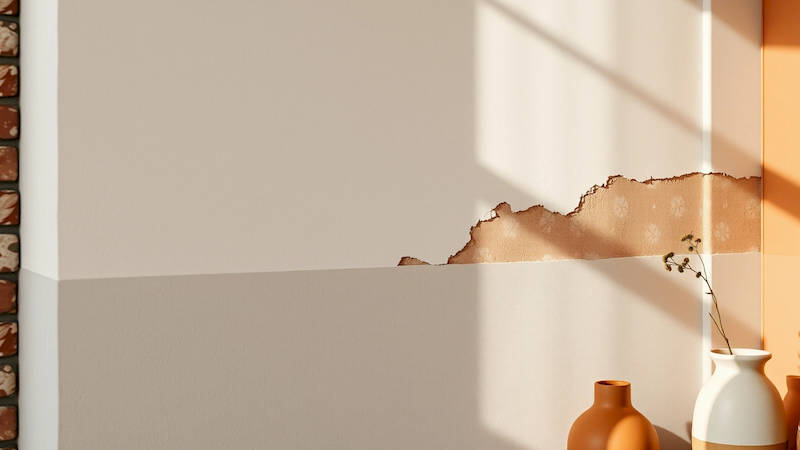
The desire to personalize our living spaces is fundamental. For centuries, humans have decorated their dwellings, evolving from cave paintings to elaborate tapestries. Today, we have a plethora of options, but few offer the blend of affordability, ease of application, and impactful design that wall decals and murals provide. No longer limited to simple stickers, modern wall decals and murals have undergone a revolution in materials, designs, and application techniques, offering homeowners and renters alike a powerful tool for transforming any room. This article delves into the world of wall graphics, exploring everything from choosing the right design and material to application techniques and maintenance, ultimately empowering you to enhance your space with creativity and style.
Traditionally, achieving a dramatic wall effect meant wielding paintbrushes or committing to expensive wallpaper. However, both options come with drawbacks – paint requires skill and can be messy, while wallpaper is notoriously difficult to remove, often damaging the underlying wall surface. Wall decals and murals have emerged as a compelling alternative, circumventing these issues. Their popularity is surging; a recent report by Grand View Research estimated the global wall décor market size at USD 67.84 billion in 2022 and projects a compound annual growth rate of 4.8% from 2023 to 2030, with decals and murals representing a significant and growing segment. This growth testifies to the increasing demand for convenient and customizable interior design solutions.
- Understanding the Landscape: Types of Wall Decals and Murals
- Design Considerations: Matching Style to Space
- Preparation and Application: Ensuring a Flawless Finish
- Maintenance and Removal: Keeping Your Walls Looking Their Best
- Beyond Decoration: Functional Applications of Wall Graphics
- Conclusion: A World of Possibilities at Your Fingertips
Understanding the Landscape: Types of Wall Decals and Murals
The term “wall decal” often conjures images of small, whimsical stickers, but the world of wall graphics is far more diverse. Decals generally refer to pre-cut designs made from vinyl, available in a vast array of sizes, shapes, and colors. They’re commonly used for adding accents, quotes, or simple patterns to walls. Murals, on the other hand, are larger, often covering an entire wall, and can range from photographic reproductions to complex, artistic compositions. Both decals and murals are generally available in two primary material types: vinyl and fabric.
Vinyl decals are incredibly durable and water-resistant, making them ideal for high-traffic areas, bathrooms, and kitchens. They come in various finishes, from matte to glossy, and are relatively easy to clean. However, some cheaper vinyls can be difficult to remove without leaving residue, and their plastic-like texture might not appeal to everyone. Fabric murals, usually made from canvas or non-woven materials, offer a more textured and sophisticated look. They tend to be easier to remove than vinyl but are less water-resistant and require more delicate cleaning. The choice between vinyl and fabric depends heavily on the intended location and aesthetic preference.
Beyond these core types, you’ll also find specialized decals like chalkboard decals (allowing you to create a writable surface) and glow-in-the-dark decals for kid's rooms. Custom options are readily available, enabling you to create completely personalized designs, from family portraits to company logos. Newer technologies incorporate repositionable adhesives, making installations more forgiving and reducing the risk of damage during removal. "The biggest shift we've seen is the demand for high-quality, eco-friendly materials and custom designs," states Sarah Johnson, a design consultant specializing in wall graphics. “Customers want something unique that reflects their personality."
Design Considerations: Matching Style to Space
Selecting the right design is crucial for maximizing the impact of your wall decals or mural. Consider the existing décor of the room, its function, and the overall ambiance you want to create. A minimalist space might benefit from a single, large-scale graphic to create a focal point, while a busier room might call for smaller, more subtle decals to add texture and interest without overwhelming the space. Color palettes are also essential. Choose colors that complement the existing furniture and wall color, or use contrasting colors to create a bold statement.
Beyond color and size, think about the theme and style of the design. Nature-inspired murals with trees, forests, or landscapes can bring a sense of tranquility to a bedroom or living room. Geometric patterns can add a modern edge to a home office. For children’s rooms, playful and whimsical designs depicting animals, characters, or fantastical scenes are popular choices. Don't underestimate the power of negative space. A well-placed decal doesn’t have to cover the entire wall; leaving empty space around the design can enhance its visual impact. Before committing to a design, it's advisable to mock it up using digital design tools or simply by taping out the shape on the wall to visualize how it will look.
Preparation and Application: Ensuring a Flawless Finish
Proper preparation is paramount for a successful application. Begin by thoroughly cleaning the wall surface with a mild detergent and water, ensuring it’s completely dry before proceeding. Any dust, grease, or dirt will compromise the adhesion of the decal or mural. Depending on the paint type and age, it might be necessary to lightly sand the wall to create a smoother surface. This is particularly important for textured walls, as the texture can interfere with the decal’s ability to adhere evenly.
Applying the decal or mural requires patience and a steady hand. For decals, peel back a small portion of the backing paper and carefully align the decal with the desired location. Smooth it onto the wall with a soft cloth or plastic smoothing tool, working your way slowly and methodically to avoid air bubbles. For larger murals, it’s often best to work with a partner. If air bubbles do appear, use a pin or needle to gently puncture them and smooth the area. Remember to meticulously follow the manufacturer’s instructions, as application techniques can vary depending on the product. Experts recommend applying a top coat sealant to vinyl decals to protect them from scratches and fading, extending their lifespan considerably.
Maintenance and Removal: Keeping Your Walls Looking Their Best
Maintaining your wall decals and murals is relatively straightforward. Regularly dust the surface with a soft cloth or vacuum cleaner attachment. For vinyl decals, mild soap and water can be used to clean them. Avoid abrasive cleaners or scourers, as these can damage the surface. Fabric murals require more delicate care; spot cleaning with a damp cloth is usually sufficient.
Removing decals and murals can be tricky, but with the right approach, you can avoid damaging the wall. Start by gently peeling a corner of the decal or mural. If it’s removing easily, continue peeling slowly and steadily. If it’s resisting, use a hairdryer to warm the adhesive, which will soften it and make it easier to remove. Be patient and avoid yanking or pulling forcefully. Any remaining adhesive residue can be removed with a mild adhesive remover, following the product’s instructions carefully. Water-based adhesive removers are generally preferred as they are less likely to damage the wall paint.
Beyond Decoration: Functional Applications of Wall Graphics
While aesthetics are the primary driver for using wall decals and murals, they also offer functional benefits. Chalkboard decals can transform a wall into a creative hub for notes, drawings, and reminders. Dry-erase decals similarly create writable surfaces, perfect for brainstorming or leaving messages. In a home office, a large-scale world map mural can serve as both a visual statement and a functional reference tool.
Beyond the home, wall graphics are increasingly used in commercial spaces. Retail stores use them for branding and promotional displays, while offices use them to create inspiring and collaborative work environments. Hospitals and schools utilize them to create calming and engaging spaces for patients and students. The versatility of wall decals and murals extends far beyond simple decoration. According to a study by the University of Texas at Austin, strategically placed murals in healthcare settings can reduce patient anxiety and improve their overall well-being.
Conclusion: A World of Possibilities at Your Fingertips
Wall decals and murals represent a dynamic and accessible way to personalize and enhance any space. From simple accents to dramatic transformations, the possibilities are virtually limitless. By understanding the different types of materials, carefully considering design choices, and following proper application and maintenance techniques, you can achieve a professional and long-lasting result. The ease of application and removal, coupled with the sheer variety of designs available, makes these wall coverings a compelling alternative to traditional painting and wallpaper.
Ultimately, investing in wall decals or a mural is investing in your environment. It’s about creating a space that reflects your personality, inspires creativity, and brings joy to your everyday life. Don’t be afraid to experiment with different styles, colors, and textures to find the perfect look for your home or office. Start with a small accent wall or a simple decal to gain confidence, and then gradually expand your creativity. The power to transform your walls – and your space – is now truly at your fingertips.
Deja una respuesta