
Top Smart Lighting Apps and How to Get the Most Out of Them
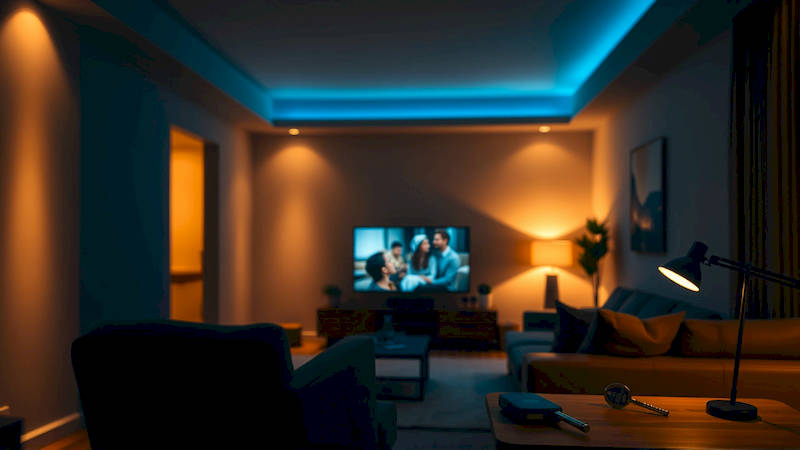
The rise of the smart home has been nothing short of revolutionary, and at the heart of many modern smart homes lies a sophisticated lighting system. No longer are we limited to simple on/off switches; today’s smart lighting offers nuanced control over ambiance, energy efficiency, and even security. But the true power of these systems isn't just in the bulbs themselves, it’s in the applications that control them. Choosing the right app – and learning how to maximize its features – is crucial for unlocking the full potential of your smart lighting investment.
This article dives deep into the world of smart lighting apps, exploring the leading options available, their strengths and weaknesses, and offering practical guidance on how to tailor your system to your specific needs. We’ll move beyond basic functionality to explore advanced features like geofencing, scene creation, and integration with other smart home devices. With a market flooded with options, understanding these apps is the key to creating a truly personalized and intelligent lighting experience.
- Understanding the Smart Lighting Ecosystem and App Compatibility
- The Contenders: A Deep Dive into Popular Smart Lighting Apps
- Mastering Scenes and Automation: Beyond Basic On/Off
- Integrating Voice Control and Smart Home Hubs
- Troubleshooting Common Issues and Optimizing Performance
- Beyond Lighting: Exploring Advanced Features and Use Cases
- Conclusion: Taking Control of Your Lighting Future
Understanding the Smart Lighting Ecosystem and App Compatibility
Before delving into specific apps, it’s vital to grasp the underlying ecosystem of smart lighting. The industry isn’t dominated by a single standard, which introduces complexities regarding compatibility. Key players include Philips Hue, LIFX, Wyze, and TP-Link's Kasa, each utilizing different communication protocols like Zigbee, Wi-Fi, or Bluetooth. Zigbee, for example, requires a hub to connect to your home network, offering a more robust and reliable connection, while Wi-Fi bulbs connect directly, simplifying setup but potentially straining your network. Understanding these differences dictates which app(s) you’ll need.
Crucially, choosing a system before investing in apps is advisable. While some apps boast broad compatibility, optimal performance is almost always achieved with the manufacturer’s native app. For instance, the Philips Hue app provides the deepest level of integration with Hue bulbs, offering features not easily replicated by third-party options. However, many users prefer a unified smart home experience, leading them to explore apps that aggregate control from multiple brands. This creates a trade-off between comprehensive control within a single ecosystem versus streamlined control across several. The app market has evolved to address this challenge; companies like SmartThings and Hubitat offer broad compatibility, though configuration can be more complex.
Consider your long-term smart home goals. If you foresee expanding your system to include a variety of devices from different manufacturers, an app capable of centralizing control becomes a compelling option. However, if you are dedicated to a single brand, focusing on that brand's native app is usually the most effective approach.
The Contenders: A Deep Dive into Popular Smart Lighting Apps
The market offers a diverse range of smart lighting apps, each designed to cater to different users and setups. Let's examine some of the most popular ones, evaluating their strengths and weaknesses. The Philips Hue app, as mentioned, excels with Hue products. Its interface is intuitive, offering granular control over individual bulbs and the creation of complex scenes and routines. It also integrates seamlessly with Apple HomeKit, Google Assistant, and Amazon Alexa. LIFX, known for its bright, color-changing bulbs, boasts its own app with a similarly robust feature set focused on color customization and dynamic lighting effects.
Beyond brand-specific apps, SmartThings emerges as a frontrunner for its universal compatibility. This app supports a vast array of devices, allowing users to control lights from various manufacturers, alongside sensors, thermostats, and more. However, this breadth of compatibility comes with a steeper learning curve and potential configuration challenges. Kasa Smart, from TP-Link, is a budget-friendly option that provides reliable control of Kasa smart bulbs and plugs. It’s known for its ease of use and a clean, uncluttered interface, but its feature set is less extensive than some of its competitors. Finally, Apple Home is a strong contender for users invested in the Apple ecosystem, offering tight integration with Siri and a user-friendly interface, albeit with compatibility limited to HomeKit-enabled devices.
Mastering Scenes and Automation: Beyond Basic On/Off
The real power of smart lighting lies in its ability to automate tasks and create immersive experiences through scenes and routines. A 'scene' is a pre-defined lighting configuration, allowing you to instantly transform the ambiance of a room with a single tap. For example, a “Movie Night” scene might dim the lights to 20% and set a warm color temperature, while a "Reading" scene might brighten a specific lamp to a cool, focused white. Most apps provide simple tools for creating and editing scenes, allowing you to customize brightness, color, and individual bulb settings.
Beyond scenes, automation takes things a step further. Utilizing features like scheduling and geofencing, you can program your lights to respond to specific times or events. For instance, you can set your outdoor lights to automatically turn on at dusk and off at dawn, or have your hallway lights turn on when motion is detected at night. Geofencing uses your smartphone's location to trigger actions, such as turning on the lights when you approach your home. This level of automation offers convenience, enhances security, and contributes to energy savings. Experimenting with these features is crucial for realizing the full benefits of your smart lighting system.
Integrating Voice Control and Smart Home Hubs
Voice control is arguably the most convenient way to interact with your smart lighting system. Virtually all major smart lighting apps integrate with popular voice assistants like Amazon Alexa, Google Assistant, and Apple Siri. This allows you to control your lights with simple voice commands like, "Alexa, turn on the living room lights," or, “Hey Google, dim the bedroom lights to 50%." Setting up voice control typically involves linking your smart lighting app to your chosen voice assistant within their respective apps.
However, for a truly integrated smart home experience, consider utilizing a smart home hub. Hubs like SmartThings, Hubitat Elevation, and Homey act as a central control point for all your smart devices, simplifying automation and enabling complex interactions between different devices. For example, you could create a routine that automatically locks your doors, arms your security system, and turns off all the lights when you say, "Goodnight." Smart home hubs provide an added layer of security and reliability, as they often continue to operate even if your internet connection is down. While they require a slightly more advanced setup, the long-term benefits are substantial.
Troubleshooting Common Issues and Optimizing Performance
Even with a well-planned smart lighting system, occasional issues can arise. Common problems include connectivity issues, unresponsive bulbs, and app glitches. Fortunately, most of these problems can be resolved with a few simple troubleshooting steps. First, ensure your Wi-Fi network is stable and that the bulbs are within range of your router or hub. Restarting the bulbs and the hub or app can often resolve temporary glitches.
Beyond basic troubleshooting, optimizing performance involves several key strategies. Updating your app and bulb firmware is crucial for ensuring compatibility and accessing the latest features and bug fixes. Avoid overcrowding your Wi-Fi network by limiting the number of connected devices. Consider using a dedicated 2.4 GHz Wi-Fi network for your smart home devices, as this frequency offers better range and penetration than 5 GHz. Finally, strategically positioning your hub can significantly improve connectivity and signal strength.
Beyond Lighting: Exploring Advanced Features and Use Cases
Smart lighting apps are continually evolving, offering increasingly sophisticated features beyond basic control and automation. Some apps now integrate with circadian rhythm technology, automatically adjusting the color temperature of your lights throughout the day to support your natural sleep-wake cycle. Others offer energy monitoring capabilities, providing insights into your lighting consumption and helping you identify opportunities for savings.
The use cases for smart lighting are incredibly diverse. Businesses can utilize smart lighting to create inviting atmospheres, reduce energy costs, and enhance security. Homeowners can use it to improve home security, create personalized lighting scenes for entertainment, and enhance energy efficiency. For example, a case study by the US Department of Energy showed that implementing smart lighting controls in commercial buildings can reduce energy consumption by up to 60%. The possibilities are limited only by your imagination.
Conclusion: Taking Control of Your Lighting Future
Smart lighting has moved beyond a simple convenience and become an integral part of the modern smart home. The key to unlocking its full potential lies in choosing the right app and learning how to maximize its features. By understanding the smart lighting ecosystem, exploring the leading apps, and mastering scenes and automation, you can create a personalized and intelligent lighting experience that enhances your comfort, security, and energy efficiency.
Remember to prioritize compatibility, consider your long-term smart home goals, and don’t hesitate to experiment with advanced features like voice control and smart home hub integration. Troubleshooting is inevitable, but with a systematic approach and a little patience, you can overcome most challenges. Ultimately, investing the time to set up and optimize your smart lighting system will illuminate your life in countless ways. The future of lighting is here, and it's brighter – and smarter – than ever before.
Deja una respuesta