
Furniture Placement Strategies to Improve Flow in Small Rooms
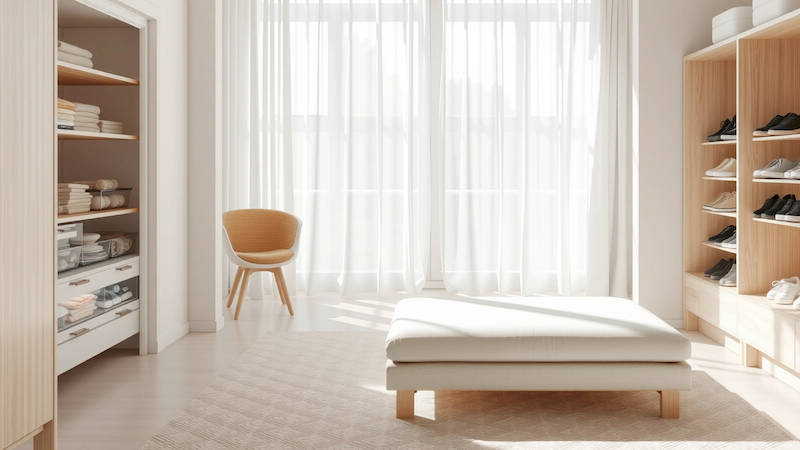
Small space living is increasingly common. With rising urbanization and a growing desire for a simpler, more intentional lifestyle, more and more people are choosing to downsize or make the most of limited square footage. However, a beautifully curated minimalist space can quickly feel cramped and chaotic if not thoughtfully arranged. The key to unlocking the potential of a small room isn’t about what you remove, but how you position what remains. Effective furniture placement transforms limited spaces from frustrating obstacles into functional and inviting environments. This article will dive deep into strategies for optimizing flow, creating the illusion of spaciousness, and making your small room work beautifully for you.
Thoughtful furniture placement aligns with core minimalist principles - intentionality and functionality. It’s about ensuring every item serves a purpose and contributes to a harmonious living space. Poor layout leads to bottlenecks, makes movement difficult, and diminishes the perceived size of the room. Conversely, a well-planned arrangement can dramatically improve usability, comfort, and overall aesthetic appeal. The goal is not just to fit furniture into a room, but to create a sequence of movement that feels natural and unconstrained.
This guide will provide detailed, actionable techniques to improve flow in small rooms, covering considerations from traffic patterns to light optimization, ensuring your space feels larger, more functional and serene. We’ll move beyond simple “rules” and explore the underlying principles that drive effective design, so you can adapt these strategies to your specific needs and space.
- Understanding Traffic Patterns and Defining Zones
- Leveraging Vertical Space and Wall-Mounting
- The Power of Scale and Proportion
- Optimizing Light and Visual Space
- The Floating Arrangement and Negative Space
- Considering Multi-Functional Furniture and Adaptability
- Conclusion: Embracing Intentionality in Small Space Design
Understanding Traffic Patterns and Defining Zones
The first step in optimizing furniture placement is analyzing how people naturally move through the room. Consider the primary entry points and the destinations within the space – the sofa, the television, a window seat, a dining table. These destinations dictate the "traffic lanes" that should remain clear. A common mistake in small rooms is blocking these paths with furniture creating frustrating pinch points. Observe how you move through the space, and identify any areas where you consistently navigate around obstacles.
To effectively define traffic patterns, visualize or physically mark routes with tape on the floor. Aim for at least 3 feet of clear walkway space – ideally more if the room is used frequently. Think about diagonal movement as well, not just straight lines; people often cut across rooms. Identify primary and secondary pathways – the core routes versus those used less often. Prioritize keeping the primary routes unobstructed, and design the layout to encourage the use of secondary pathways. Remember, the point isn’t just to avoid bumping into things; it's to create a sense of effortless movement.
Once traffic patterns are established, define functional zones within the room. In a studio apartment, this might involve creating distinct areas for living, sleeping, and dining. Strategically place furniture to delineate these zones visually. Rugs are incredibly effective for this purpose, visually anchoring seating areas. Bookshelves or room dividers can also create a sense of separation without closing off the space entirely. Clearly defined zones contribute to a feeling of order and prevent the room from feeling chaotic.
Leveraging Vertical Space and Wall-Mounting
In small rooms, thinking up is just as important as thinking out. Vertical space is often underutilized, leading to cluttered floors and a sense of confinement. Explore options for maximizing storage and functionality by utilizing wall space. Bookshelves extending to the ceiling, tall cabinets, and open shelving units are excellent choices. This keeps items off the floor, creating a more open feel and freeing up valuable real estate. Don't be afraid to use the full height of the wall, even if it requires a step stool to reach the highest shelves.
Beyond storage, consider wall-mounting furniture. Mounting a television, for instance, not only saves floor space but also creates a more streamlined look. Wall-mounted desks or drop-leaf tables are fantastic options for multi-functional spaces, providing a work surface when needed and folding away when not in use. The key is to choose wall-mounting solutions that are secure and appropriate for the weight of the item. Pay attention to cable management when wall-mounting technology; concealed cords contribute to a cleaner, more organized appearance.
A growing trend is 'floating furniture' – items that appear to be suspended from the wall. This adds a modern aesthetic while maximizing floor space. It's important to ensure the walls can structurally support the weight of the furniture and that appropriate anchors are used for secure installation.
The Power of Scale and Proportion
Choosing furniture that’s appropriately scaled to the room is critical. Overly large pieces can quickly overwhelm a small space, making it feel even smaller. Conversely, furniture that’s too small can look lost and disjointed. Prioritize pieces with clean lines and a relatively minimalist aesthetic to avoid visual clutter. "Less is more" is a guiding principle here, so avoid bulky or overly ornate designs.
Consider the height of the ceiling as well when selecting furniture. In rooms with low ceilings, avoid tall, imposing pieces that can emphasize the lack of vertical space. Instead, opt for lower-profile furniture that creates a sense of openness. Utilize furniture with exposed legs to allow light to flow underneath, making the room feel more airy. A common mistake is prioritizing quantity over quality. Investing in a few well-made, appropriately sized pieces will invariably create a more polished and functional space than filling it with cheap, ill-fitting furniture.
According to a 2022 study by the National Association of Home Builders, 65% of new homebuyers prioritize maximizing space, driving a demand for multi-functional furniture and thoughtful design solutions. This statistic underscores the importance of scale and proportion in creating comfortable and livable small spaces.
Optimizing Light and Visual Space
Light plays a crucial role in how we perceive space. Maximizing natural light is paramount. Avoid blocking windows with furniture; instead, position furniture to take advantage of the natural light streaming in. Use light-colored window treatments that allow light to filter through. Mirrors are incredibly effective for reflecting light and creating the illusion of greater space. Strategically placed mirrors can visually double the size of a room by bouncing light around.
Beyond natural light, consider your lighting scheme. Layered lighting – combining ambient, task, and accent lighting – creates depth and dimension. Avoid harsh overhead lighting, which can make a room feel stark and unwelcoming. Instead, opt for floor lamps, table lamps, and recessed lighting to create a warmer, more inviting atmosphere. Be mindful of shadows; avoid casting shadows across key areas of the room.
Dark colors can make a room feel smaller, while light colors can create a sense of spaciousness. Consider painting walls in light, neutral tones. If you want to use darker colors, do so sparingly as accent walls. The overall goal is to create a bright, airy space that feels open and inviting.
The Floating Arrangement and Negative Space
Instead of pushing all furniture against the walls, consider a "floating arrangement." This involves pulling furniture away from the walls, creating a sense of breathing room and improving flow. This technique works especially well in longer, narrower rooms. While it may seem counterintuitive in a small space, leaving space between furniture and walls can actually make the room feel larger.
The concept of "negative space"—the empty areas around furniture—is equally important. Don't feel the need to fill every inch of the room. Allowing for negative space creates visual balance and prevents the room from feeling cluttered. It provides the eye with resting points and enhances the overall aesthetic appeal. A common mistake is over-accessorizing; resist the urge to fill surfaces with knick-knacks.
Think of furniture placement as a composition. Just like a painting, a well-composed room has a balance of positive and negative space, guiding the eye and creating a harmonious whole.
Considering Multi-Functional Furniture and Adaptability
In a small room, every piece of furniture should earn its place. Prioritize multi-functional items that serve multiple purposes. A sofa bed provides seating and sleeping space. An ottoman with built-in storage offers a place to rest your feet and store blankets or books. A coffee table with a lift-top can be used as a dining table or workspace. These items maximize functionality without taking up extra square footage.
Think about how the space can be adapted to different needs. A room that serves as a home office during the day can easily be transformed into a guest room at night with a strategically placed sofa bed. Adjustable shelving and modular furniture offer flexibility and allow you to reconfigure the space as your needs change. This adaptability is crucial in small rooms, where space is at a premium.
Conclusion: Embracing Intentionality in Small Space Design
Mastering furniture placement in small rooms requires a blend of careful planning, creative thinking, and a commitment to intentionality. By understanding traffic patterns, leveraging vertical space, prioritizing scale, optimizing light, embracing negative space, and utilizing multi-functional furniture, you can transform a cramped space into a comfortable, functional, and inviting haven. Remember, small space living isn’t about sacrificing style or comfort; it’s about making smart design choices that maximize every square inch.
The key takeaways from these strategies are to prioritize flow, think vertically, choose appropriately scaled furniture, and embrace the power of light and negative space. Don't be afraid to experiment with different arrangements until you find what works best for your specific space and lifestyle. Take the time to analyze how you use the room, identify obstacles, and make adjustments accordingly. Ultimately, the goal is to create a space that supports your needs and enhances your well-being. Remember, a beautifully arranged small room isn't just about aesthetics; it’s about creating a sanctuary where you can relax, recharge, and feel truly at home.
Deja una respuesta