
Minimalist Entryway Ideas to Prevent Clutter Build-Up
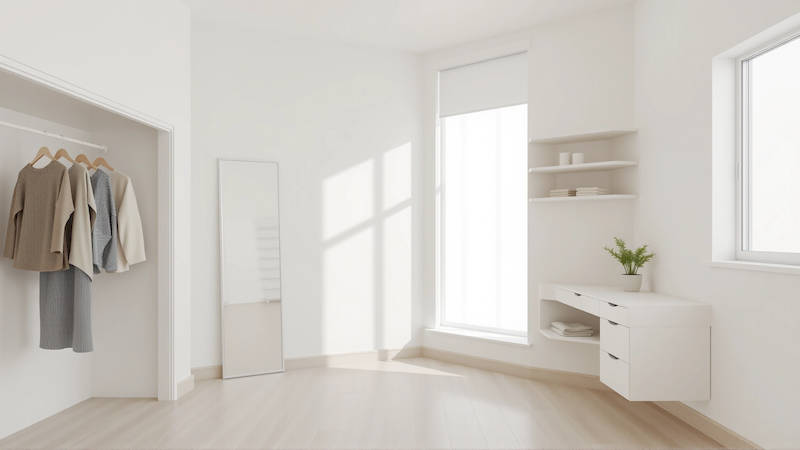
The entryway – often a small, overlooked space – is the first impression your home gives, and critically, it sets the tone for the rest of your living area. In our increasingly fast-paced lives, it’s also the zone most prone to collecting clutter: coats, shoes, bags, mail, keys… the list goes on. For those embracing minimalist living, particularly within the constraints of smaller spaces, a chaotic entryway immediately undermines the peace and functionality a minimalist lifestyle seeks to achieve. This article dives deep into minimalist entryway ideas, focusing not just on aesthetics but on practical strategies to prevent clutter build-up, create a welcoming atmosphere, and maximize the potential of this often-underutilized area. We'll move beyond simple decluttering tips to explore sustainable systems and design choices that promote a consistently organized and serene welcome point for you and your guests.
The appeal of minimalist living extends beyond simply owning fewer possessions. It's about intentionality – consciously choosing items that add value to your life and eliminating everything else. A minimalist entryway isn’t just about visual cleanliness; it's about creating a transition zone that promotes calm and order before you even step fully into your home. Moreover, studies show that a cluttered environment can contribute to stress and anxiety. A survey by The Princeton Neuroscience Institute found a direct link between clutter and difficulty focusing, highlighting the importance of a well-organized initial space. This is particularly relevant for the entryway, as it's the first and last space you encounter daily.
- The Power of Vertical Space: Maximizing Limited Square Footage
- Multi-Functional Furniture: One Piece, Multiple Purposes
- The No-Shoe Policy (and Smart Shoe Storage)
- Intentional Decor: Less is Truly More
- The “One-In, One-Out” Rule – Preventing Future Clutter
- Leveraging Wall-Mounted Organizers & Key Holders
- A Consistent Daily Reset: Maintaining the Minimalism
The Power of Vertical Space: Maximizing Limited Square Footage
One of the biggest challenges with small entryways is the lack of floor space. This is where harnessing vertical space becomes absolutely critical. Forget sprawling consoles and broad benches; instead, think upwards. Installing a series of hooks at varying heights is a highly effective and affordable solution for coats, bags, and even smaller items like dog leashes. Focus on sturdy, visually appealing hooks that complement your overall home aesthetic. Beyond simple hooks, consider shallow shelving units that extend upwards rather than outwards. These are perfect for storing hats, gloves, scarves, or even decorative items that contribute to a welcoming atmosphere without adding to floor clutter.
Furthermore, don't underestimate the power of a tall, narrow mirror. It not only serves a practical purpose for last-minute checks before leaving but also creates the illusion of more space, making the entryway feel brighter and more open. A full-length mirror strategically placed can visually double the perceived size of the area. When selecting these vertical elements, consistency in style is key. A cohesive look – whether modern, rustic, or Scandinavian – will prevent the vertical storage solutions from feeling cluttered themselves. The goal is to maximize functionality without sacrificing aesthetic appeal, making the space feel purposeful and inviting.
Multi-Functional Furniture: One Piece, Multiple Purposes
In minimalist design, every item should earn its place. This is especially true in a small entryway, where space is at a premium. Instead of dedicating separate pieces of furniture for different functions, opt for multi-functional items. A storage bench, for example, offers seating and concealed storage for shoes, seasonal items, or even emergency supplies. Look for benches with lift-up seats or drawers for maximized storage capacity. Similarly, a console table with built-in shelves or drawers provides a surface for keys, mail, and decorative items while also offering hidden storage for less frequently used items.
Consider the composition of the furniture itself. Opting for furniture with “legs” creates an airier feel and allows light to flow underneath, further maximizing the sense of space. Avoid bulky, solid pieces that can visually encumber the area. "Floating" consoles – those mounted to the wall – are another excellent option. They eliminate the need for floor-standing supports and contribute to a more streamlined aesthetic. Before purchasing any multi-functional furniture, meticulously assess your needs. What items absolutely need to be stored in the entryway? This will inform your choosing of the right storage solutions.
The No-Shoe Policy (and Smart Shoe Storage)
The entryway is the primary drop zone for shoes, and let's face it, shoes breed clutter. Implementing a firm "no-shoe" policy is a cornerstone of a minimalist entryway, promoting cleanliness and reducing the amount of dirt brought into the house. However, telling guests to remove their shoes is only half the battle; you need a designated storage solution. A sleek shoe rack, ideally one that is vertically oriented or can be tucked away, is essential. Alternatively, a shoe cabinet with adequate ventilation is a good option, concealing shoes completely and contributing to a cleaner aesthetic.
Avoid overflowing piles of shoes. Regularly rotate seasonal shoes, storing out-of-season footwear in closets or other storage areas. Consider labeled shoe bins or organizers to keep pairs together and make it easier to find what you need. A small rug placed in front of the shoe storage area can encourage people to leave their shoes there and also help to contain any dirt or debris. According to the American Cleaning Institute, over 85% of dirt enters your home on shoes, highlighting the benefits of this simple practice.
Intentional Decor: Less is Truly More
Minimalism isn’t about emptiness; it’s about intentionality. A few carefully chosen decorative items can add personality and warmth to your entryway without contributing to clutter. Avoid displaying large collections or overly ornate decorations. Instead, focus on a single statement piece – a piece of artwork, a unique mirror, or a sculptural object. A small potted plant can also add life and vibrancy to the space.
When choosing décor, consider the color palette. A neutral color scheme – whites, grays, beiges – creates a calming and spacious feel. Add pops of color through artwork or accessories, but avoid overwhelming the space with too many different hues. Remember to regularly edit your décor. If an item no longer brings you joy or serves a purpose, consider removing it. The goal is to create a space that feels curated and inviting, not cluttered and chaotic. As Marie Kondo famously states, “Surround yourself with what sparks joy.”
The “One-In, One-Out” Rule – Preventing Future Clutter
Even with the best organizational systems, clutter can creep back in over time. The key to preventing this is to establish a sustainable system for managing incoming items. The “one-in, one-out” rule is a powerful tool. For every new item that enters your entryway – a new coat, a new bag, a new pair of shoes – an existing item must be removed. This forces you to be mindful of your possessions and prevents the accumulation of unnecessary clutter.
Consider designating a "landing zone" for incoming mail and packages. Instead of letting these items pile up on the console table, immediately sort through them. Discard junk mail, file important documents, and address any urgent matters. This proactive approach prevents papers from becoming a chaotic mess. Regularly schedule a quick "reset" of the entryway – a 5-10 minute tidy-up session to put things back in their place and prevent clutter from accumulating. Consistency is key to maintaining a minimalist entryway. "It’s not about perfect, it’s about better," as minimalist blogger Joshua Becker emphasizes.
Leveraging Wall-Mounted Organizers & Key Holders
Beyond hooks, consider specialized wall-mounted organizers. These can be tailored to specific needs, such as key holders with small shelves for mail, or magnetic boards for holding notes and reminders. A designated key holder is crucial to prevent the frantic morning search for misplaced keys. Look for key holders that are both functional and aesthetically pleasing, integrating seamlessly into your entryway’s design.
Utilize small wall-mounted containers for frequently used items like hand sanitizer, umbrellas, or dog waste bags. These keep essential items within easy reach without cluttering surfaces. The key is to find organizers that are proportional to the size of your entryway. Overly large organizers will feel overwhelming and defeat the purpose of creating a minimalist space. Wall-mounted solutions free up valuable floor and console space, enhancing the overall sense of openness and organization. They also provide visual cues as to where items belong, promoting a more tidy habit.
A Consistent Daily Reset: Maintaining the Minimalism
Maintaining a minimalist entryway is not a one-time fix; it’s an ongoing practice. A quick daily reset – taking just 5-10 minutes to put things back in their place – can make a significant difference in preventing clutter build-up. This includes hanging up coats, storing shoes, clearing the console table, and sorting through mail. Make the daily reset a habit, integrating it into your routine alongside other daily tasks.
Consider assigning tasks to family members. Delegate responsibility for specific areas, such as tracking shoes or sorting mail. This distributes the workload and promotes a sense of collective ownership over maintaining the space. Regularly assess the functionality of your entryway organizational systems. Are they still meeting your needs? Are there any areas that could be improved? Be willing to make adjustments as needed to ensure the space remains clean, organized, and functional.
In conclusion, creating a minimalist entryway isn't about deprivation; it's about intentionality and creating a calm, organized transition space. By prioritizing vertical storage, multi-functional furniture, a no-shoe policy, intentional décor, and the “one-in, one-out” rule, you can transform even the smallest entryway into a welcoming and functional area. The daily reset and consistent evaluation of your systems are crucial for maintaining the minimalism long-term. Remember that a clutter-free entryway isn't just aesthetically pleasing—it can positively impact your stress levels, improve your focus, and create a more peaceful and inviting home. Start with one small change today, and begin building the minimalist entryway of your dreams.
Deja una respuesta