
How to Deep Clean Bathroom Tiles and Grout Without Harsh Chemicals
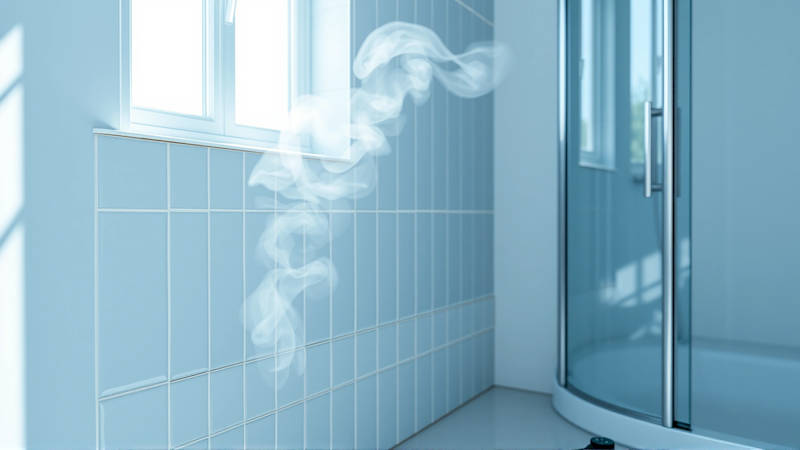
The bathroom: a space of daily rituals, essential hygiene, and, often, stubborn grime. While we prioritize cleanliness for health and wellbeing, the methods we use to achieve it are increasingly under scrutiny. Traditional bathroom cleaners often rely on harsh chemicals like bleach and ammonia, which can be detrimental to our health, the environment, and even the surfaces they’re intended to clean. Thankfully, a sparkling clean bathroom doesn’t necessitate a chemical cocktail. This guide provides a comprehensive approach to deep cleaning bathroom tiles and grout, utilizing powerful yet gentle, readily available ingredients. We’ll delve into the science behind the grime, the best natural solutions, and step-by-step instructions to restore your bathroom to its gleaming best, all while prioritizing your health and the planet.
The prevalence of mold, mildew, and soap scum in bathrooms necessitates regular, thorough cleaning. Beyond aesthetics, neglecting these areas can lead to respiratory issues, allergies, and structural damage. A 2018 study by the Environmental Protection Agency (EPA) highlighted that indoor air quality is often significantly poorer than outdoor air quality, and cleaning products contribute substantially to this problem. Making the switch to natural cleaning methods isn't just about avoiding harsh chemicals; it's about creating a healthier home environment for you and your family. Moreover, the effectiveness of these alternatives is often surprisingly high, challenging the outdated notion that potent chemicals are the only way to truly sanitize.
- Understanding the Enemy: What Makes Bathroom Grime So Stubborn?
- The Power of Baking Soda and Vinegar: A Dynamic Duo
- Lemon Juice and Hydrogen Peroxide: Brightening and Disinfecting Alternatives
- The Power of Steam: A Chemical-Free Deep Clean
- Preventative Measures: Maintaining a Sparkling Bathroom Long-Term
- Conclusion: A Healthier, Sparkling Bathroom is Within Reach
Understanding the Enemy: What Makes Bathroom Grime So Stubborn?
Bathroom grime isn't just “dirt”; it’s a complex composition of various substances. Soap scum, the infamous white film, is created when hard water minerals (calcium and magnesium) react with soap. This creates an insoluble residue that clings to tiles and grout. Mold and mildew thrive in the warm, humid environment, feeding on organic matter like skin cells and soap residue. Grout, being porous, is particularly susceptible to absorbing stains from spills, splashes, and daily use. Understanding these components is crucial for selecting the most effective cleaning agents. A one-size-fits-all approach often fails because it doesn’t address the specific culprit responsible for the discoloration or build-up.
To effectively tackle bathroom grime, you need to select cleaning solutions that can break down these different substances. For instance, acids – like those found in vinegar and lemon juice – excel at dissolving mineral deposits found in soap scum and hard water stains. Enzymes, present in baking soda, have mild abrasive qualities that can help lift dirt and grime without scratching surfaces. Disinfectants like tea tree oil possess antimicrobial properties, addressing mold and mildew concerns. It’s also important to differentiate between cleaning – removing visible dirt – and sanitizing – reducing the number of germs. While natural cleaners may not always provide the same level of sterilization as bleach, they are highly effective at significantly reducing bacteria and preventing mold growth, particularly when combined with proper ventilation and regular cleaning routines.
The Power of Baking Soda and Vinegar: A Dynamic Duo
Baking soda (sodium bicarbonate) and vinegar (acetic acid) are the cornerstones of natural bathroom cleaning. Their synergy is due to a simple chemical reaction: when combined, they fizz, creating carbon dioxide gas and water. This effervescence helps loosen dirt and grime, making them easier to scrub away. However, never mix them in a closed container – the pressure from the gas can cause an explosion. Instead, use them sequentially or in separate applications. Baking soda acts as a mild abrasive and deodorizer, while vinegar cuts through grease and mineral deposits.
Applying this dynamic duo is straightforward. Start by sprinkling baking soda generously over the tiles and grout. Then, spray with vinegar. Allow the mixture to fizz for 5-10 minutes before scrubbing with a stiff brush. For particularly stubborn stains, create a paste of baking soda and water, apply it to the affected area, let it sit for 15-20 minutes, and then scrub. A fantastic case study lies in restaurants consistently combating grease buildup; they’ve long utilized baking soda and vinegar as primary deep-cleaning agents for kitchen surfaces, proving its effectiveness beyond just household tasks. This method is particularly effective on ceramic and porcelain tiles; however, always test a small, inconspicuous area first to ensure compatibility with your specific tile type.
Lemon Juice and Hydrogen Peroxide: Brightening and Disinfecting Alternatives
Lemon juice, with its citric acid, provides a natural bleaching and disinfecting alternative to harsher chemicals. It’s excellent for removing hard water stains, soap scum, and brightening grout. Hydrogen peroxide (3% solution), while often associated with wound care, is a potent disinfectant and effective at killing mold and mildew. However, like vinegar, it can have a bleaching effect, so test on an inconspicuous area first, especially on colored grout. Avoid using lemon juice and hydrogen peroxide together, as combining them can create peracetic acid, which can be irritating.
To utilize lemon juice, cut a lemon in half and rub it directly onto stained grout or tiles. Let the juice sit for 10-15 minutes before scrubbing and rinsing. For larger areas, mix lemon juice with water in a spray bottle. For disinfecting with hydrogen peroxide, spray directly onto the surface, let it sit for 5-10 minutes, and then wipe clean. Expert mycologist Dr. Kevin Davies states, "Hydrogen peroxide effectively disrupts the cell walls of mold spores, rendering them inactive. It's a surprisingly powerful yet safe disinfectant for bathroom surfaces." Furthermore, the refreshing scent of lemon adds a pleasant aroma to the cleaning process, avoiding the pungent smells associated with traditional cleaners.
The Power of Steam: A Chemical-Free Deep Clean
Steam cleaners are a game-changer for deep cleaning bathroom tiles and grout without any chemicals whatsoever. The high-temperature steam penetrates the pores of the grout, loosening dirt, grime, and killing bacteria and mold spores. This method is particularly effective for heavily soiled areas and eliminates the risk of residue left behind by cleaning products. A key advantage of steam cleaning is its environmentally friendly aspect – it uses only water, making it the most sustainable option available.
Using a steam cleaner is relatively simple. Direct the steam nozzle onto the grout lines, moving slowly and methodically. The steam will loosen the dirt, which can then be wiped away with a clean cloth. For tiles, use a steam cleaner with a brush attachment to agitate the surface and remove stubborn grime. While steam cleaners can be an investment upfront, they offer long-term cost savings by eliminating the need for cleaning products and provide a significantly healthier cleaning experience. Be cautious when using a steam cleaner on natural stone tiles, as excessive heat can potentially cause damage.
Preventative Measures: Maintaining a Sparkling Bathroom Long-Term
Deep cleaning is essential, but preventative measures are crucial for maintaining a sparkling bathroom and reducing the frequency of intense cleaning sessions. After each shower, squeegee the tiles and shower doors to remove excess water, preventing soap scum buildup and mildew growth. Ensure proper ventilation by opening a window or using an exhaust fan during and after showering. Regularly wipe down surfaces with a microfiber cloth to remove daily grime.
Consider implementing a weekly quick-clean routine. This could involve spraying surfaces with a diluted vinegar solution and wiping them down, or quickly scrubbing grout lines with a baking soda paste. Creating a habit of consistently addressing small messes minimizes the accumulation of grime, making deep cleaning a less daunting task. The principle of "little and often" applies here – consistent, minor efforts yield significantly better results than infrequent, exhaustive cleaning sessions. By adopting these preventative measures, you’ll save time, energy, and contribute to a healthier home environment.
Conclusion: A Healthier, Sparkling Bathroom is Within Reach
Deep cleaning bathroom tiles and grout doesn’t require harsh chemicals. By harnessing the power of natural ingredients like baking soda, vinegar, lemon juice, and hydrogen peroxide, combined with the effectiveness of steam cleaning, you can achieve a sparkling clean bathroom while protecting your health and the environment. The key lies in understanding the nature of bathroom grime and choosing cleaning solutions that specifically address its components.
Remember that consistency is paramount. Incorporating preventative measures into your daily routine will significantly reduce the need for deep cleaning and ensure a consistently fresh and hygienic bathroom. Ditch the harsh chemicals and embrace these natural alternatives – your lungs, your surfaces, and the planet will thank you. Start with a small section, like a shower corner, to build confidence and appreciate the effectiveness of these methods. The transformation doesn’t have to be overwhelming; a little effort can go a long way towards creating a sparkling sanctuary.
Deja una respuesta