
Quick Hacks to Deodorize and Clean Your Kitchen Garbage Disposal
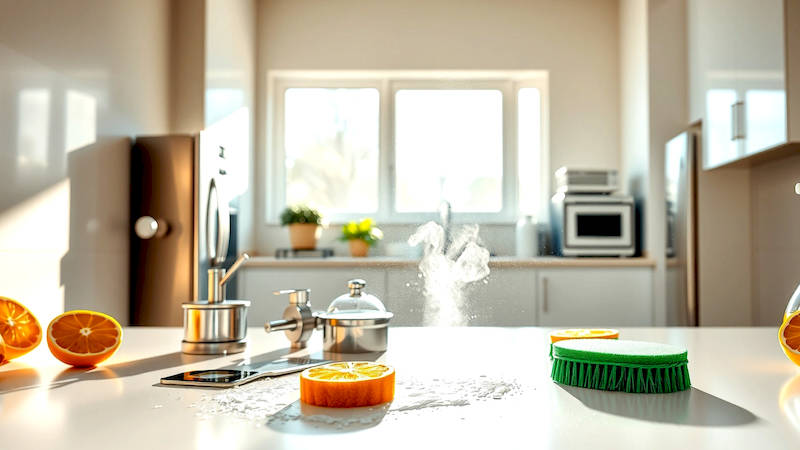
The kitchen garbage disposal. A modern convenience that saves us from food scraps clogging our drains and attracting unwanted pests. But this unsung hero often becomes a breeding ground for bacteria, lingering food particles, and, let's face it, unpleasant odors. A smelly disposal isn’t just a nuisance; it's a sign of potential problems lurking beneath the sink, potentially leading to slow drains, malfunctioning components, or even the need for costly repairs. Ignoring the issue allows organic matter to decompose, creating not only a foul smell but also fostering the growth of bacteria that could pose a health risk.
Many homeowners understandably avoid dealing with their garbage disposal, believing it’s a difficult or messy task. However, regular maintenance and quick deodorizing routines can prevent buildup and keep things running smoothly. This article dives deep into the world of garbage disposal cleaning and deodorizing, offering practical, actionable advice that goes beyond the typical “ice and lemon” remedy. We’ll explore effective methods, preventative measures, and troubleshooting tips to ensure your disposal remains hygienic, odor-free, and functioning optimally.
- Understanding the Source of the Smell: What’s Happening Down There?
- The Power of Baking Soda and Vinegar: A Classic Combination
- Citrus to the Rescue: Lemons, Limes and Oranges
- Beyond the Basics: Dealing with Stubborn Smells and Grease Buildup
- Preventative Maintenance: Establishing a Routine
- Addressing Common Issues: Clogs and Slow Drains
- Conclusion: A Fresh-Smelling Kitchen is Within Reach
Understanding the Source of the Smell: What’s Happening Down There?
The unpleasant odors emanating from your garbage disposal are rarely a simple case of leftover onion. The core issue lies in the decomposition of organic matter. Food particles, even seemingly harmless ones, don't simply vanish when ground up by the disposal. They coat the grinding chamber, the splash guard, and the surrounding pipes, providing a fertile base for bacteria to thrive. These bacteria break down the organic matter, releasing volatile organic compounds (VOCs) – the source of those offensive smells. Furthermore, fats, oils, and grease (FOG) are particularly problematic, as they solidify and cling to the disposal components, exacerbating the issue and potentially causing clogs.
According to the Plumbing-Heating-Cooling Contractors Association (PHCC), approximately 50% of household plumbing problems are caused by items that shouldn’t be flushed or put down the drain, many of which end up in the disposal. Common culprits include coffee grounds, eggshells, pasta, and fibrous vegetables like celery. These materials are difficult for the disposal to process and contribute significantly to buildup. The type of disposal—batch feed or continuous feed—also plays a role; continuous feed disposals, while convenient, can sometimes allow larger pieces to escape grinding, intensifying the problem.
Addressing the root cause—the organic waste—is critical. This involves regular cleaning, avoiding problematic foods, and employing deodorizing methods that target the bacteria causing the smell. It's a proactive approach that saves time, money, and unpleasant odors in the long run. Consider this: a little prevention is truly worth a pound of cure when it comes to garbage disposal maintenance.
The Power of Baking Soda and Vinegar: A Classic Combination
The baking soda and vinegar pairing isn’t just a science fair staple; it’s a surprisingly effective garbage disposal cleaning duo. Baking soda, a mild abrasive, helps loosen food particles clinging to the disposal’s surfaces, while vinegar acts as a disinfectant and deodorizer. The key to maximizing this method lies in the fizzing reaction. When combined, baking soda (a base) and vinegar (an acid) create carbon dioxide, which helps dislodge debris and push it through the drain.
To effectively utilize this method, start by flushing the disposal with cold water for about a minute. Then, pour half a cup of baking soda down the drain, followed by one cup of white vinegar. Do not immediately run the water. Allow the mixture to fizz and react for at least 5-10 minutes, giving it time to work its magic. The bubbling action will help lift grime and neutralize odors. Finally, flush the disposal with a generous amount of cold water for another minute or two, ensuring all traces of the mixture are cleared. A variation of this method involves creating a baking soda paste with a small amount of water and applying it directly to the splash guard and disposal walls for a more targeted clean.
It’s important to note that while effective, this method isn’t a substitute for regular physical cleaning. It’s a fantastic supplement but won’t address stubborn buildup. Furthermore, avoid using this method immediately after using harsh chemical drain cleaners, as the reaction could produce harmful fumes.
Citrus to the Rescue: Lemons, Limes and Oranges
Citrus fruits offer a natural and refreshing way to deodorize and disinfect your garbage disposal. The citric acid in lemons, limes, and oranges possesses antibacterial properties and leaves behind a bright, clean scent. This isn’t simply masking the odor—citric acid actively helps to neutralize the smells caused by bacteria and decay. Unlike some commercial cleaners, citrus fruits are biodegradable and environmentally friendly. This makes them an appealing option for those seeking a more sustainable cleaning routine.
The process is straightforward. Cut a citrus fruit (lemon is the most commonly used) into wedges. Feed the wedges, rind-side down, into the disposal while running a strong stream of cold water. The rind contains oils that help clean the disposal walls and impart a fresh scent. Alternatively, you can freeze citrus peels into ice cubes. Grinding these citrus ice cubes serves the dual purpose of cleaning and freshening the disposal, while the ice helps to sharpen the blades and dislodge any lingering debris. For a more pronounced effect, combine the citrus peels with a small amount of baking soda before freezing.
However, be mindful of the quantity. Excessive amounts of citrus rind can, in rare cases, contribute to buildup, particularly in older disposals. A few wedges or a handful of frozen peels are typically sufficient. Regularly utilizing this method—once or twice a week—can help prevent odors from developing in the first place.
Beyond the Basics: Dealing with Stubborn Smells and Grease Buildup
Sometimes, baking soda, vinegar, and citrus fruits simply aren’t enough. If you’re dealing with a particularly stubborn odor or significant grease buildup, a more aggressive approach is necessary. Borax, a natural mineral with cleaning and disinfecting properties, is a powerful ally in these situations. Similar to baking soda, borax acts as a mild abrasive and helps to neutralize odors.
To use borax, sprinkle about half a cup down the disposal, followed by a generous amount of hot water. Let it sit for at least 30 minutes, then flush with cold water. The hot water helps to dissolve grease, while the borax tackles the odor. For severe grease buildup, consider using a commercial enzyme-based disposal cleaner specifically designed to break down fats, oils, and grease. These cleaners contain enzymes that digest organic matter, offering a more thorough cleaning than traditional methods.
Alternatively, a bottle brush dedicated solely to disposal cleaning can be used to scrub the splash guard and disposal walls. This allows for targeted removal of stubborn buildup. Always disconnect the power to the disposal before attempting any manual cleaning. A crucial preventative step involves avoiding pouring grease down the drain in the first place. Dispose of grease in a sealed container and discard it in the trash.
Preventative Maintenance: Establishing a Routine
The most effective way to combat garbage disposal odors is to prevent them from developing in the first place. This involves establishing a consistent maintenance routine and being mindful of what goes down the drain. Aim to run cold water for at least 15-20 seconds before and after using the disposal. This helps to flush away debris and prevent buildup.
Avoid putting problematic materials down the disposal, including bones, coffee grounds, eggshells, fibrous vegetables (celery, artichokes), pasta, rice, and fruit pits. These materials are difficult to grind and contribute to clogs and odors. Regularly grinding ice cubes can help to sharpen the blades and dislodge any lingering debris. Consider running a citrus peel or baking soda and vinegar treatment at least once a week as a preventative measure. “A well-maintained disposal is a happy disposal, and a happy disposal is a smell-free disposal,” quips plumbing expert, Richard Truitt, in a recent Consumer Reports article.
Finally, periodically inspect the splash guard for any accumulated debris and clean it thoroughly with soap and water. Taking these simple preventative measures will significantly reduce the likelihood of encountering unpleasant odors and keep your garbage disposal functioning optimally for years to come.
Addressing Common Issues: Clogs and Slow Drains
Even with diligent maintenance, clogs and slow drains can occur. If your disposal is clogged, never attempt to reach inside with your hands. This poses a serious risk of injury. First, turn off the power to the disposal. Then, try using a pair of tongs or pliers to remove any visible obstructions.
If the clog persists, try the plunger method. Fill the sink with enough water to cover the disposal opening and create a tight seal with the plunger. Plunge vigorously for several minutes. Alternatively, you can use a plumbing snake (auger) to break up the clog. Insert the snake into the disposal opening and carefully rotate it to dislodge the obstruction. Avoid using harsh chemical drain cleaners as a first resort, as they can damage the disposal components and are often ineffective against stubborn clogs. If you’ve tried these methods and the problem persists, it’s best to consult a qualified plumber.
Conclusion: A Fresh-Smelling Kitchen is Within Reach
Maintaining a clean and odor-free garbage disposal isn’t a daunting task. By understanding the source of the smells—the decomposition of organic matter—and implementing a combination of regular cleaning, preventative measures, and targeted deodorizing techniques, you can easily keep this essential kitchen appliance functioning optimally. The power duo of baking soda and vinegar offers a cost-effective and environmentally friendly cleaning solution, while citrus fruits provide a natural and refreshing alternative. Remember that prevention is key: avoid putting problematic materials down the drain and establish a consistent maintenance routine.
The key takeaways are these: be mindful of what you put down the disposal, frequently utilize preventative cleaning methods like citrus peels or baking soda and vinegar, and don’t hesitate to address clogs promptly and safely. Investing a few minutes each week in garbage disposal maintenance will save you time, money, and the embarrassment of a foul-smelling kitchen. A clean disposal truly contributes to a healthier and more pleasant home cooking experience.
Deja una respuesta