
Decluttering Your Wardrobe: Buying Clothes with Intention
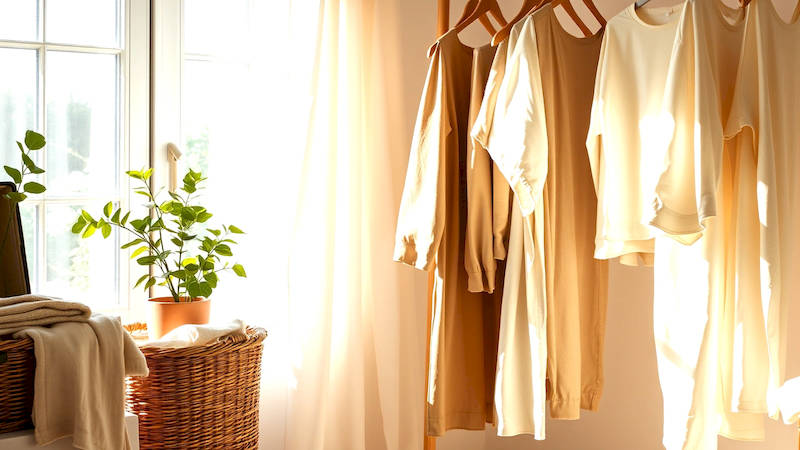
The modern wardrobe, for many, is a casualty of fast fashion and impulsive purchases. We’re bombarded with trends, sales, and the constant message that new clothes equal new us. But this cycle leaves many feeling overwhelmed by excess, disconnected from their personal style, and contributing to a significant environmental and ethical problem. The act of decluttering your wardrobe isn’t simply about making space; it’s a crucial step towards mindful consumption, self-awareness, and aligning your possessions with your values. It’s a journey from being defined by clothes to empowered by them.
This article dives deep into the art of buying clothes with intention – a cornerstone of minimalist living and mindful consumption. We’ll move beyond simply identifying items to donate and explore the underlying thought processes and strategies that shift purchasing habits from reactive to proactive. We'll examine how to build a wardrobe filled with pieces you genuinely love, wear consistently, and feel confident in, ultimately reducing waste and cultivating a more harmonious relationship with your style.
Ultimately, a mindful approach to clothing transforms your wardrobe from a source of stress into a curated collection that reflects your lifestyle, personality, and values. It's about quality over quantity, function over fleeting trends, and ownership of a conscious style.
- Understanding the Psychology of Wardrobe Clutter
- The Pre-Shop Assessment: Defining Your Style & Needs
- The Five-Question Rule: A Powerful Decision Filter
- Quality Over Quantity: Investing in Timeless Pieces
- The One-In-One-Out Rule & Delayed Gratification
- Conscious Consumption: Supporting Ethical & Sustainable Brands
- The Wardrobe Capsule: Designing for Versatility
Understanding the Psychology of Wardrobe Clutter
Many of us accumulate clothes not because we need them, but because of deeply ingrained psychological patterns. Examining these patterns is the first step toward breaking the cycle of impulsive buying and creating a mindful wardrobe. One common driver is the “sale mentality” – the feeling that we must buy something when it’s discounted, even if it wasn’t on our list or doesn't truly fit our needs. This taps into our brain's reward system, creating a temporary dopamine rush that masks the eventual regret.
Beyond sales, emotional buying plays a significant role. Clothes can be used to fill emotional voids, celebrate milestones, or even attempt to project a different image. A purchase might feel good in the moment, offering a temporary boost to self-esteem, but it doesn’t address the underlying emotional issue. According to a study by the Royal Society for Public Health, shopping is linked to increased levels of cortisol, the stress hormone, and can exacerbate feelings of anxiety and inadequacy. Therefore, recognizing when you’re shopping to feel something, rather than to need something, is incredibly important.
Finally, the influence of social media and advertising is undeniable. Constant exposure to carefully curated images of "must-have" items creates a sense of lacking and fuels a desire for things we may not actually want or need. Cultivating awareness of these influences and actively questioning the messages we receive is critical for breaking free from the cycle of consumerism.
The Pre-Shop Assessment: Defining Your Style & Needs
Before you even think about stepping into a store (or browsing online), a thorough self-assessment is absolutely essential. This involves honestly evaluating your current lifestyle, activities, and personal style. Ask yourself: how do you actually spend your days? What percentage of your time is spent at work, exercising, socializing, or relaxing at home? Your wardrobe should reflect your real life, not a hypothetical version of yourself.
Next, identify your dominant style aesthetic. Don't get caught up in labels, but think about the overall feeling you want your clothes to convey. Do you prefer classic and timeless pieces, bohemian and relaxed styles, or something more edgy and modern? Consider the colors, silhouettes, and fabrics that you consistently gravitate towards. Pinterest boards, style icons, and even analyzing your most-worn items can provide valuable insights. Once defined, you can create a “style guide" that acts as a benchmark for future purchases.
Once you understand who you are and how you live, you can begin to identify gaps in your wardrobe. Don’t focus on what you think is missing based on trends, but on what’s genuinely needed to complete existing outfits or fill practical needs.
The Five-Question Rule: A Powerful Decision Filter
Impulse purchases are the bane of a mindful wardrobe. To combat this, implement the “Five-Question Rule” before adding anything to your cart (physical or digital). This rule forces you to pause and evaluate the potential purchase with intention. The first question: "Do I already have something similar?" Be honest – a slightly different color doesn’t necessarily justify another item. The second: "Does this item fit perfectly, right now?" Don't buy something hoping you'll lose weight or it will be altered.
The third question, and perhaps the most crucial: “Does this item align with my personal style and values?” If it feels like a departure from your defined aesthetic or doesn't resonate with your ethical considerations (e.g., sustainable materials, fair labor practices), it’s likely a pass. Question four involves assessing functionality: “Where and when will I wear this?” You should be able to envision at least three specific occasions or outfits. Finally, question five is about cost per wear - "Is the price justifiable considering how often I will realistically wear this item?" This encourages you to view purchases as investments rather than disposable items.
Quality Over Quantity: Investing in Timeless Pieces
Shifting your mindset from ‘more’ to ‘better’ is central to intentional shopping. Instead of buying several cheap items that fall apart after a few washes, prioritize investing in fewer, high-quality pieces that will last for years. Look for durable fabrics like merino wool, linen, organic cotton, and well-constructed garments with reinforced seams and quality hardware. While these items may have a higher upfront cost, their longevity will ultimately save you money and reduce waste.
Consider the concept of a "cost per wear." A $20 t-shirt that’s worn twice and discarded has a cost per wear of $10. A $100 cashmere sweater that's worn 50 times has a cost per wear of $2. Think long-term value, not just the initial price tag. Furthermore, classic, timeless designs tend to remain stylish for much longer than trendy pieces, minimizing the need for constant replacements. Building a foundation of versatile neutrals allows you to create numerous outfits with fewer items, maximizing your wardrobe's potential.
Don’t fall for the allure of sales on poor-quality items. A 50% discount on something that will disintegrate after a few wears is not a bargain—it’s a waste of money and resources.
The One-In-One-Out Rule & Delayed Gratification
Once you’ve started implementing intention in your purchases, managing the incoming flow of new clothes is just as important. The “One-In-One-Out” rule is a simple yet effective strategy. Every time you bring a new item into your wardrobe, you must remove something else. This forces you to critically assess the necessity of the new purchase and maintain a manageable amount of clothing.
Furthermore, practice the art of delayed gratification. When you encounter something you like, resist the urge to buy it immediately. Add it to a "wish list" and revisit it after a week or two. Often, the initial excitement will have faded, and you’ll realize you don’t actually need it. This cooling-off period helps prevent impulsive purchases driven by fleeting emotions.
Another helpful technique is to create a “shopping sabbatical.” Commit to a period of time (e.g., one month, three months) where you don’t buy any clothes at all. This allows you to fully appreciate what you already have and identify your true needs without the distraction of marketing and trends.
Conscious Consumption: Supporting Ethical & Sustainable Brands
Intention extends beyond simply what you buy to where you buy it. Prioritize supporting brands that are committed to ethical labor practices, environmental sustainability, and transparency. Look for certifications like Fair Trade, GOTS (Global Organic Textile Standard), and B Corp. Research a brand's supply chain and production processes to ensure they align with your values.
Consider alternatives to fast fashion, such as vintage and secondhand shopping. This not only reduces demand for new production but also gives existing clothes a new life. Explore clothing rental services for special occasions or items you won’t wear frequently. Finally, learn to repair and repurpose your existing clothes. Simple sewing skills can extend the lifespan of your garments and reduce the need for replacements.
The Wardrobe Capsule: Designing for Versatility
A wardrobe capsule is a curated collection of essential clothing items that can be mixed and matched to create a variety of outfits. Building a capsule wardrobe is a powerful exercise in intentionality, forcing you to prioritize versatility and avoid redundancy. The contents of a capsule wardrobe will vary depending on your lifestyle and climate, but typically includes 30-40 core pieces in neutral colors that can be easily layered and accessorized.
When creating your capsule, focus on classic silhouettes and high-quality fabrics that will stand the test of time. Avoid trendy pieces that will quickly fall out of favor. A well-designed capsule wardrobe can significantly simplify your mornings, reduce decision fatigue, and empower you to feel confident and stylish with fewer clothes. It’s a powerful demonstration of how a mindful approach can determine so much more than just what you wear.
In conclusion, decluttering your wardrobe and buying clothes with intention is not merely about minimizing your possessions; it’s a transformative process that fosters self-awareness, promotes sustainable consumption, and ultimately empowers you to live a more meaningful and fulfilling life. By understanding the psychology of shopping, defining your personal style, implementing practical decision-making rules, and prioritizing quality and ethical considerations, you can cultivate a wardrobe that reflects your values and supports your lifestyle. Start small, be patient with yourself, and remember that the goal is not perfection, but progress towards a more mindful and intentional way of dressing. Begin today by asking yourself the five questions before your next purchase and commit to the one-in-one-out rule – these are small steps that can create a monumental shift in your relationship with your clothes and, ultimately, with yourself.
Deja una respuesta