
Designing a Tech-Free Evening Routine to Improve Sleep Quality
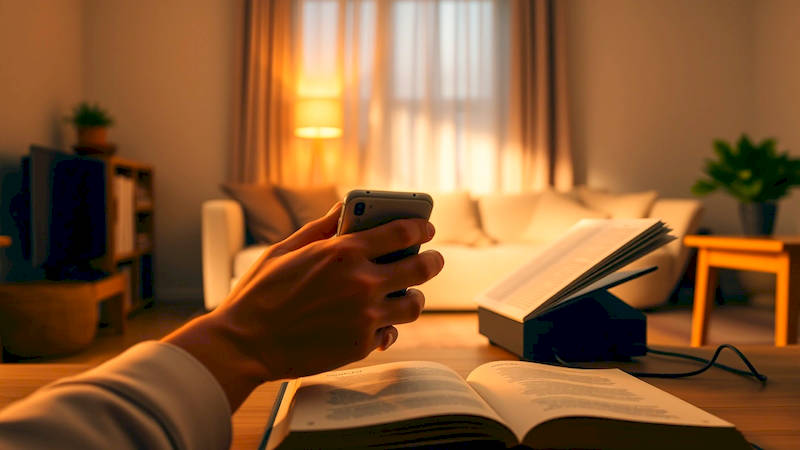
In our hyper-connected world, the pervasive influence of technology has seeped into nearly every aspect of our lives, including our bedtime routines. What was once a calming period of winding down – perhaps a book, a warm bath, or quiet conversation – is now frequently punctuated by the glow of screens, the ping of notifications, and the relentless stream of information. This constant stimulation isn’t just distracting; it’s actively sabotaging our sleep. Research increasingly demonstrates a strong correlation between evening tech use and disrupted sleep patterns, leaving us feeling fatigued, less productive, and more prone to various health issues.
The issue isn't necessarily technology itself, but when and how we use it. Our brains haven’t evolved to process the constant influx of blue light and novel stimuli late into the evening. This creates a state of hyper-arousal that inhibits the natural production of melatonin, the hormone crucial for regulating sleep-wake cycles. Ignoring this biological imperative can lead to a vicious cycle of poor sleep and increased reliance on technology to cope with daytime fatigue, exacerbating the problem.
This article will provide a comprehensive guide to designing a tech-free evening routine specifically aimed at improving sleep quality. We’ll delve into the science behind why evening tech use is detrimental, explore practical strategies for disconnecting, and offer a step-by-step approach to creating a personalized routine that fosters restful, restorative sleep. This isn't about complete tech abstinence, but about mindful integration and establishing healthy boundaries to prioritize your well-being.
- Understanding the Science of Sleep Disruption
- Creating Your Tech-Free Zone: Physical Boundaries
- Implementing a Digital Sunset: Gradual Disconnection
- Alternative Evening Activities: Reclaiming Your Time
- Addressing Challenges and Maintaining Consistency
- The Power of Morning Light & Pre-Sleep Rituals
- Conclusion: Reclaiming Restful Sleep
Understanding the Science of Sleep Disruption
The impact of technology on sleep isn’t simply anecdotal; it's rooted in biological processes. The most significant factor is the emission of blue light from screens – smartphones, tablets, computers, and even some televisions. Blue light suppresses the production of melatonin, shifting our circadian rhythm later, making it harder to fall asleep and reducing the overall quality of our sleep. This delay can lead to a state of chronic sleep deprivation, even if you’re spending what feels like a sufficient amount of time in bed. Furthermore, the cognitive stimulation from engaging with content – news, social media, work emails, or even entertaining videos – activates the brain, making it difficult to transition into a state of calm readiness for sleep.
Beyond blue light, the psychological impact of evening tech use also plays a crucial role. The “fear of missing out” (FOMO) drives us to continually check our devices, leading to anxiety and increased cortisol levels – a hormone associated with stress. Even passively scrolling through social media can evoke comparisons and negative emotions, further hindering relaxation. Studies show individuals who use social media heavily before bed report lower sleep quality and greater feelings of loneliness. As Dr. Matthew Walker, author of Why We Sleep, states, “Sleep isn’t the absence of wakefulness. It’s a deeply active process, and it’s being fundamentally undermined by our modern lifestyles.”
It’s important to recognize that the detrimental effects aren’t limited to the time spent actively using devices. The mere presence of a smartphone in the bedroom has been linked to poorer sleep quality, even when it's not being used. This is likely due to the subconscious awareness of its potential for interruption, keeping the brain in a state of low-level vigilance.
Creating Your Tech-Free Zone: Physical Boundaries
The first step toward a tech-free evening is establishing clear physical boundaries. Designate specific areas of your home as “tech-free zones,” with the bedroom being the most critical. This means absolutely no phones, tablets, laptops, or televisions in the bedroom. This can be challenging initially, requiring a deliberate shift in habit, but the benefits are substantial. Consider an alternative charging station in another room to avoid the temptation of checking your phone before bed and immediately upon waking. A bedside alarm clock can replace your phone's alarm function, freeing you from the digital allure.
Extending the tech-free zone beyond the bedroom is also highly recommended. The living room or family room can be another designated area. This encourages more mindful interactions with family members and promotes a calmer, more relaxed atmosphere. Encourage family members to participate in this shift, creating a shared commitment to disconnecting in the evenings. This step is particularly important for families with children, as parental modeling of healthy tech habits is crucial. A physical symbol, like a basket or designated drawer for devices, can reinforce the boundary.
Consider the visual impact of technology as well. Even turning off devices and leaving them visible can be a subtle source of stimulation. Store them out of sight, in drawers or cabinets, to minimize their presence in your environment and further promote a sense of calm.
Implementing a Digital Sunset: Gradual Disconnection
Abruptly cutting off all tech use in the evening can be difficult and even create anxiety. A “digital sunset” – a gradual transition away from screens – is a more sustainable approach. Start by setting a firm cutoff time for work-related technology use – ideally at least two hours before bedtime. Extend this gradually to include other devices, like your smartphone and tablet. Begin with 30-60 minutes and progressively increase it over time.
During this transition period, replace tech-based activities with alternative, relaxing routines. This might include reading a physical book (paper, not an e-reader!), listening to calming music, taking a warm bath, practicing gentle yoga or meditation, or engaging in a hobby you enjoy. The key is to choose activities that actively promote relaxation and detachment from the digital world. Utilizing app timers or website blockers can help enforce the cutoff time and prevent impulsive relapses. Many smartphones now include built-in features designed specifically for digital wellbeing, such as bedtime mode and app limits.
Don't underestimate the power of preparation. Plan your evening activities in advance to avoid feeling bored or tempted to reach for your phone out of habit. A prepared environment and a clear schedule make it easier to stay on track.
Alternative Evening Activities: Reclaiming Your Time
The goal of a tech-free evening isn't simply to remove technology; it's to replace it with more fulfilling and restorative activities. Reading is an excellent alternative, offering mental stimulation without the addictive qualities of digital media. Choose books that are enjoyable but not overly stimulating – avoiding thrillers or intense dramas close to bedtime can be beneficial. Similarly, listening to calming music, such as classical pieces, ambient soundscapes, or nature sounds, can promote relaxation and reduce stress.
Creative pursuits can also be incredibly effective. Journaling, drawing, painting, or playing a musical instrument can provide a sense of flow and allow you to express your emotions in a healthy way. Mindfulness practices, such as meditation or deep breathing exercises, can help quiet the mind and prepare the body for sleep. Even simple activities like spending quality time with loved ones, engaging in a conversation, or preparing a healthy meal can be beneficial. The emphasis should be on activities that promote a sense of calm, connection, and contentment.
Consider taking up a new hobby — something you always enjoyed but never made time for. The act of learning and engaging in a novel activity can be incredibly rewarding and a positive distraction from digital temptations.
Addressing Challenges and Maintaining Consistency
Implementing a tech-free evening routine isn’t always easy. There will be moments of temptation and setbacks. The key is to be patient with yourself, acknowledge the challenges, and develop strategies for overcoming them. Identify your personal triggers – what situations or emotions make you most likely to reach for your phone? – and develop coping mechanisms.
Accountability can also be helpful. Share your goals with a friend or family member and ask for their support. Check in with each other regularly to discuss your progress and offer encouragement. If you slip up, don’t beat yourself up. Simply acknowledge it, learn from it, and recommit to your routine. Remember that consistency is crucial. The more consistently you practice your tech-free routine, the easier it will become, and the more pronounced the benefits will be.
Finally, don’t be afraid to experiment and adjust your routine as needed. What works for one person may not work for another. The most effective routine is one that is tailored to your individual needs and preferences and feels sustainable over the long term.
The Power of Morning Light & Pre-Sleep Rituals
Before diving deeper into the evening, consider the impact of when you see light. Prioritizing exposure to bright, natural light in the morning helps regulate your circadian rhythm and sets a positive tone for the day. This makes it much easier to naturally feel tired in the evening. This early light exposure also improves alertness and mood throughout the day, reducing the reliance on technology for stimulation.
A consistent pre-sleep ritual is vital for signaling to your brain that it’s time to wind down. This could involve a warm bath with Epsom salts, reading a physical book, listening to calming music, or practicing gentle stretching. The key is to create a predictable sequence of activities that you perform every night, reinforcing the association between these activities and sleep. Consider incorporating aromatherapy with calming scents like lavender or chamomile. This ritual shouldn't include any screens, and should last at least 30-60 minutes.
Conclusion: Reclaiming Restful Sleep
Designing a tech-free evening routine is a powerful investment in your sleep quality and overall well-being. By understanding the science behind sleep disruption, establishing clear physical boundaries, implementing a gradual digital sunset, and cultivating alternative evening activities, you can reclaim your evenings and rediscover the restorative power of restful sleep. It’s not about demonizing technology, but about establishing a mindful relationship with it, one that prioritizes your health and allows you to disconnect and recharge.
The key takeaways are simple: minimize blue light exposure, create a dedicated tech-free zone, develop a relaxing pre-sleep ritual, and prioritize consistent implementation. Your next step should be to identify one small change you can make tonight – perhaps silencing your phone an hour before bed or reading a book instead of scrolling through social media. Gradually build from there, creating a personalized routine that supports your individual needs and fosters a healthier, more balanced lifestyle. Prioritizing sleep isn't a luxury; it’s a fundamental pillar of physical and mental health, and a tech-free evening routine is a significant step toward achieving it.
Deja una respuesta