
How to Quickly Clean Grease and Fingerprints off Kitchen Walls and Backsplashes
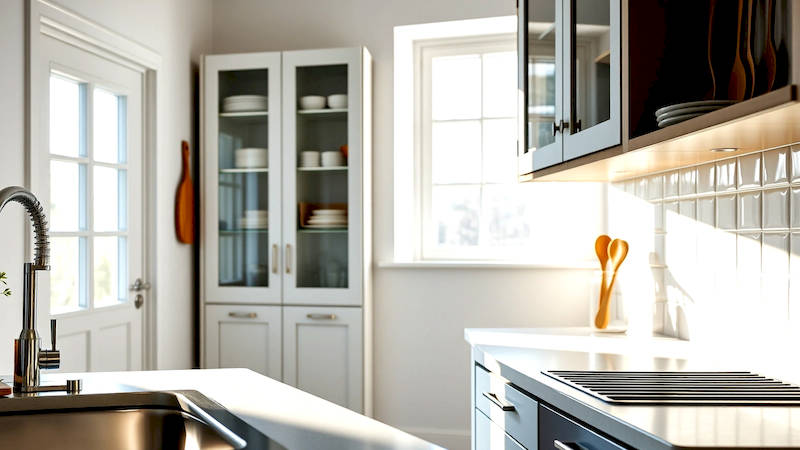
The kitchen is often heralded as the heart of the home – a vibrant hub for cooking, gathering, and creating memories. However, this central role often comes with a messy price. Splatter from frying, lingering grease from sautéing, and a constant barrage of fingerprints on walls and backsplashes are unavoidable realities for most home cooks. Ignoring these messes isn't just an aesthetic issue; accumulated grease can attract dust, harbor bacteria, and even contribute to unpleasant odors. Effectively tackling grease and fingerprints, therefore, isn't simply about appearances—it’s about maintaining a hygienic and welcoming kitchen environment. This article provides a comprehensive guide to quickly and effectively cleaning these common kitchen blemishes, exploring a range of techniques from everyday solutions to tackling stubborn build-up.
Maintaining clean kitchen surfaces isn't only beneficial for hygiene. It significantly improves the overall ambiance of the space, creating a more inviting and pleasant area for both cooking and spending time. Furthermore, regular cleaning prevents grease and grime from permanently etching themselves into surfaces, saving you time, effort, and potentially expensive repairs or replacements down the line. The key is understanding the properties of both the mess and the surfaces you're cleaning to choose the right approach.
This guide will move beyond simple wipe-downs, delving into the science of grease removal, surface compatibility, and preventative measures you can take to minimize future messes. From the best cleaning solutions to recommended tools and techniques, you'll find everything you need to restore your kitchen walls and backsplashes to their former glory.
- Understanding Your Enemy: The Science of Grease and Fingerprints
- The Arsenal of Clean: Essential Tools and Cleaning Solutions
- Decoding Your Surfaces: Material-Specific Cleaning Approaches
- The Tactical Approach: Step-by-Step Cleaning Techniques
- Proactive Prevention: Minimizing Messes and Maintaining Cleanliness
- Addressing Specific Challenges: Stubborn Grease and Lingering Fingerprints
- Conclusion: A Sparkling Kitchen Within Reach
Understanding Your Enemy: The Science of Grease and Fingerprints
Grease, at its core, is a complex mixture of fats and oils. Its stickiness arises from its non-polar nature, which allows it to readily adhere to most kitchen surfaces – also generally non-polar. Water, being polar, doesn’t easily dissolve grease, explaining why a simple damp cloth often just spreads the mess around. Effective grease removal relies on utilizing substances that can break down these fats or emulsify them, meaning dispersing them into tiny droplets that can be rinsed away with water. Common emulsifiers include detergents, dish soap, and certain specialized degreasers. The selection of the correct emulsifier always depends on the surface being cleaned.
Fingerprints, while seemingly less formidable than grease, also present a unique challenge. They contain oils secreted by our skin, along with traces of dirt, dust, and other contaminants. These oils, like grease, are non-polar and adhere tenaciously to surfaces. The prolonged presence of fingerprints can also leave a dull, hazy residue, particularly noticeable on glossy tiles, glass, or stainless steel. Removing these requires a solvent capable of dissolving the oils or a gentle abrasive action to lift them without causing damage.
Beyond the chemical composition, it’s crucial to understand how long the grease or fingerprints have sat. Fresh splatters are far easier to remove than those that have been allowed to bake on, particularly near heat sources like stovetops. Regularly scheduled cleaning, even quick wipe-downs after cooking, can drastically reduce the effort required overall. According to a study by the American Cleaning Institute, kitchens that are wiped down daily require significantly less intensive cleaning than those that are left for prolonged accumulation.
The Arsenal of Clean: Essential Tools and Cleaning Solutions
Before launching into the cleaning process, gathering the right tools and supplies is paramount. A well-equipped cleaning kit will streamline the process and ensure optimal results. Essentials include microfiber cloths (renowned for their superior cleaning ability and non-abrasive nature), a soft-bristled brush (for textured surfaces or stubborn spots), a spray bottle (for diluting solutions), and a bucket of warm water. Avoid abrasive sponges or scouring pads, as these can scratch delicate surfaces like glass or painted walls.
Regarding cleaning solutions, several options are available, each with its pros and cons. For general grease and fingerprint removal, a solution of warm water and dish soap (approximately 1-2 tablespoons per gallon of water) is often sufficient. For more stubborn messes, consider using a dedicated degreaser, ensuring it’s compatible with your wall or backsplash material. White vinegar, diluted with water (a 1:1 ratio), is a natural and effective cleaner, particularly for removing hard water stains and fingerprints. Baking soda, when mixed into a paste with water, can act as a gentle abrasive for tackling particularly baked-on grime.
However, it is critical to always test any cleaning solution in an inconspicuous area first to ensure it doesn't cause discoloration or damage. This is especially vital for painted walls, delicate tiles, or surfaces with a special finish. Expert cleaner Dona Smallwood notes, “Testing is a small step that can save you a lot of heartache and costly repairs.”
Decoding Your Surfaces: Material-Specific Cleaning Approaches
The cleaning method must be tailored to the type of surface you’re dealing with. What works wonders on ceramic tile could potentially ruin a painted wall. Here's a breakdown of common kitchen wall and backsplash materials and their optimal cleaning approaches:
- Ceramic and Porcelain Tile: These are relatively durable and can withstand most cleaning solutions. The dish soap and water solution is effective for everyday cleaning. For grout lines, a paste of baking soda and water, applied with a toothbrush, can effectively remove grime. Avoid abrasive cleaners on glazed tile, as they can dull the finish.
- Glass Backsplashes: Vinegar and water is the gold standard for glass. It cuts through grease and leaves a streak-free shine. Microfiber cloths are essential to avoid lint. Apply the solution, let it sit for a minute, then wipe clean.
- Painted Walls: These are the most delicate. Stick to mild dish soap and water, applying gently with a sponge. Avoid excessive moisture, which can damage the paint. For fingerprints, a slightly dampened microfiber cloth is often sufficient.
- Stainless Steel: Use a stainless steel cleaner designed specifically for appliances. Wipe with the grain to avoid scratches. Vinegar can also be used, but be sure to rinse thoroughly and dry the surface to prevent water spots.
- Natural Stone (Granite, Marble): These require specialized cleaners designed for natural stone. Avoid acidic cleaners like vinegar or lemon juice, as they can etch the surface.
The Tactical Approach: Step-by-Step Cleaning Techniques
Armed with the right tools and understanding of your surfaces, it’s time to get cleaning. Begin by removing any loose debris with a soft brush or vacuum attachment. Next, prepare your chosen cleaning solution. For general cleaning, apply the solution to a microfiber cloth rather than directly to the wall or backsplash to avoid oversaturation. Gently wipe the surface in a circular motion, focusing on areas with visible grease or fingerprints.
For stubborn spots, allow the cleaning solution to dwell for a few minutes to break down the grime before wiping. Utilize the soft-bristled brush for textured surfaces or grout lines, applying gentle pressure. Once you've cleaned the entire area, rinse with clean water using a separate microfiber cloth. Finally, dry the surface thoroughly with a clean, dry cloth to prevent water spots and streaking.
A helpful tactic is to work from top to bottom, allowing any drips or runoff to be cleaned during subsequent passes. For exceptionally greasy areas, consider repeating the process a second time. If you encounter persistent grime that resists all conventional methods, a commercial degreaser specifically formulated for kitchen surfaces may be necessary.
Proactive Prevention: Minimizing Messes and Maintaining Cleanliness
While tackling existing grease and fingerprints is essential, preventing their accumulation in the first place is even more effective. Several strategies can significantly reduce cleaning efforts. Using a range hood while cooking is paramount, as it captures grease and odors before they can settle on surfaces. Consider installing a backsplash that extends higher up the wall to protect a larger area from splatters.
Wiping down surfaces immediately after cooking is perhaps the most effective preventative measure. A quick swipe with a damp cloth can remove fresh splatters before they have a chance to harden. Regularly cleaning your stovetop and counters also helps prevent grease from spreading to surrounding walls. Implementing a cleaning schedule, even a basic one, can ensure that your kitchen remains consistently clean and tidy.
Addressing Specific Challenges: Stubborn Grease and Lingering Fingerprints
Sometimes, despite your best efforts, you'll encounter particularly stubborn grease or fingerprints. For baked-on grease, a paste of baking soda and water, left to sit for 15-20 minutes, can often lift the grime. For lingering fingerprints, a commercial fingerprint remover or a solution of rubbing alcohol and water can be effective.
However, remember to proceed with caution when using stronger cleaning agents. Always test in an inconspicuous area first and wear appropriate protective gear, such as gloves and a mask. If you're unsure about the best way to clean a particular surface, consult the manufacturer's instructions or seek advice from a professional cleaning service. For very old or heavily soiled areas, professional cleaning may be the most effective, and cost valuable, solution.
Conclusion: A Sparkling Kitchen Within Reach
Keeping your kitchen walls and backsplashes free of grease and fingerprints is an ongoing process, but one that is certainly achievable with the right knowledge and techniques. By understanding the science of grime, utilizing the appropriate tools and solutions, and tailoring your approach to specific surfaces, you can maintain a clean, hygienic, and inviting kitchen environment.
The key takeaways are to prioritize regular cleaning, test all cleaning solutions before widespread use, and proactive prevention through mindful cooking habits and the use of ventilation. Don't underestimate the power of a microfiber cloth and a little elbow grease! By implementing these strategies, you’ll not only enjoy a sparkling clean kitchen, but also preserve the longevity and beauty of your surfaces for years to come. Start today with a quick wipe-down of your backsplash – a small habit that makes a big difference.
Deja una respuesta